





Some error occured while loading the Quick View. Please close the Quick View and try reloading the page.
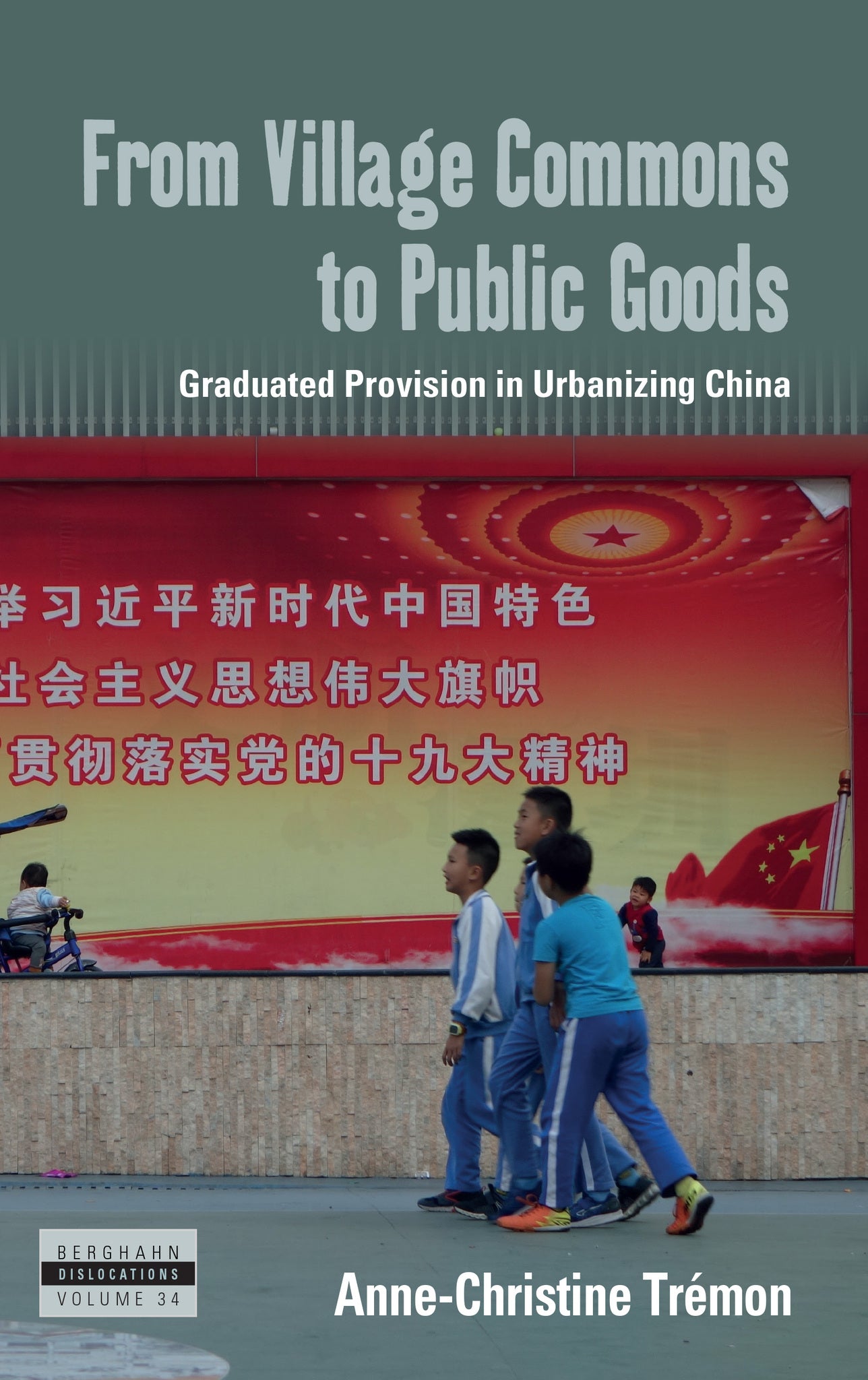
Illuminating the complex processes of China’s uneven urbanization through the lens of the transition from village commons to public goods, this book is set in three urbanized villages in Shenzhen, Chengdu, and Xi’an, which have experienced similar demographic explosions and dramatic changes to their landscapes, the livelihoods of its inhabitants, and the power structures governing their residents. Graduated provision is the delivery of public goods informed by the teleological ideology of urbanization, and by neoliberalism with Chinese characteristics, and has been employed as an answer to the challenges of making public goods, such as welfare provisions, public parks, education, and senior care, equally accessible to all in recently urbanized communities.


“This is an excellent book, well researched, clearly written and taking an original approach to an important issue, China’s urban villages. The originality lies particularly in using the public goods/commons debates to provide a new lens on urban China.” • Alan Smart, University of Calgary
“Urban China is an excellent setting to rethink the commons and public goods... The discussion is informed by a serious reading of relevant theory and is ethnographically rich.” • Niko Besnier, University of Amsterdam
List of Illustrations
Acknowledgements
Note on Anonymization
Glossary
Introduction: Graduated Provisioning in China’s Urbanized Villages
Chapter 1. Three Villages-in-the-city
Chapter 2. From Villages Commons to Public Urban Goods
Chapter 3. Creating Visual and Public Order
Chapter 4. Building Moral Communities
Chapter 5. Segregated Public Space and the Right to the City
Conclusion: Exclusion and Rivalry, Lasting Inequalities and Neoliberal Provision
References
Index