





Some error occured while loading the Quick View. Please close the Quick View and try reloading the page.
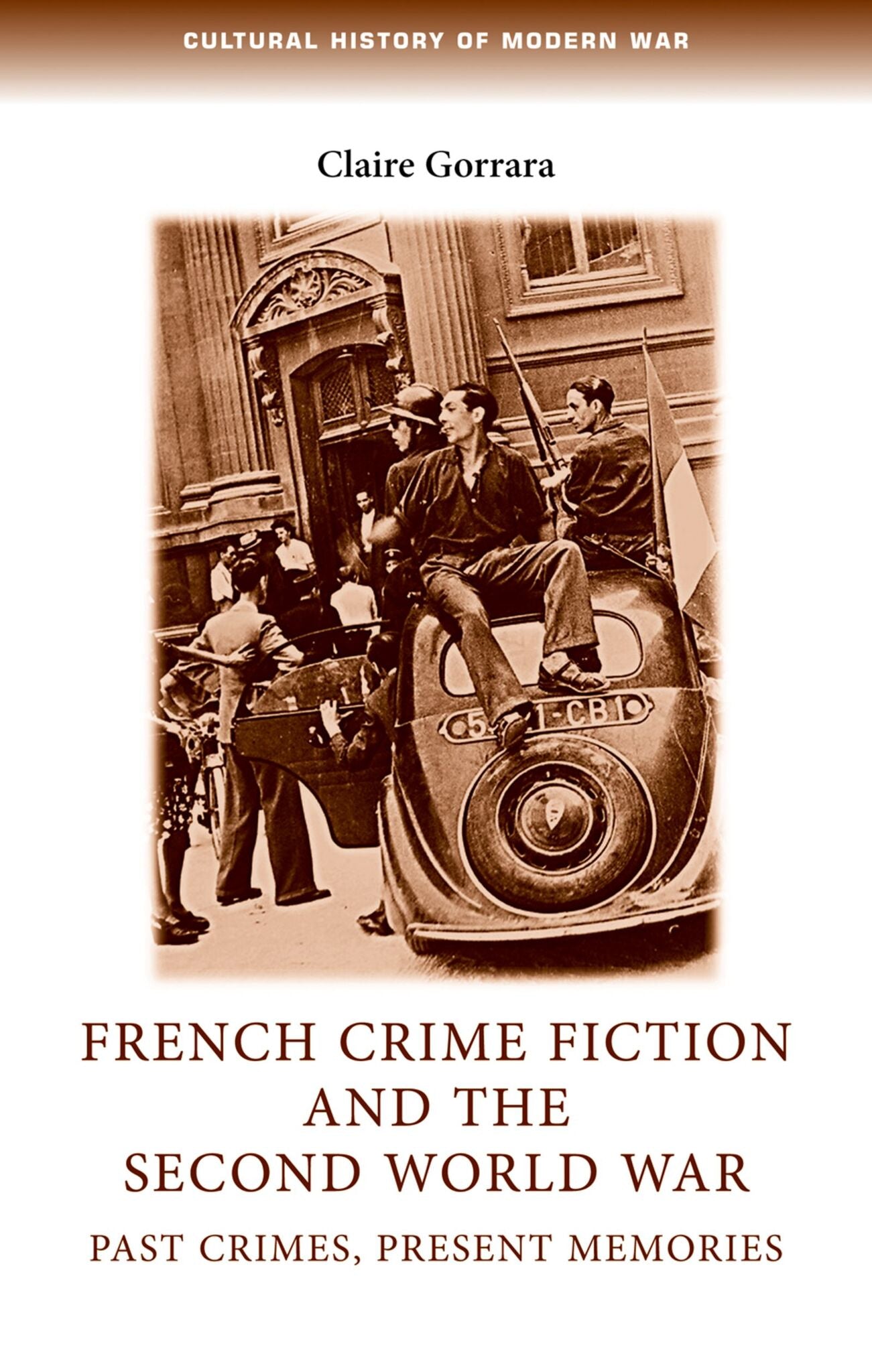
This study explores France’s preoccupation with memories of the Second World War through an examination of popular culture and one of its more enduring forms: crime fiction. It examines what such popular narratives have to tell us about past and present perceptions of the war years in France and how they relate to post-war debates over memory, culture and national identity.
Starting with narratives of the Resistance in the late 1940s and concluding with contemporary crime fiction for younger readers, Gorrara examines popular memories of the Second World War in dialogue with the changing social, cultural and political contexts of remembrance in post-war France. From memories of the persecution of Jews and French collaboration to the legacies of the concentration camps and the figure of the survivor-witness, all the crime novels discussed grapple with the challenges of what it means to live in the shadow of such a past for generations past, present and future.


'This rich and closely argued study is a most valuable addition to our historical understanding of social and cultural memories of the war and the reworkings of the themes of crime, guilt and responsibility over the decades.'
Margaret Atack, French History, March 2013, 27, 1
Introduction: mapping French memories of the Second World War
1. Resisters and the resistance: challenging the epic in French crime fiction of the 1940s and 1950s
2. Forgotten crimes: representing Jewish wartime experience in French crime fiction of the 1950s and 1960s
3. Resurgent collaboration: revisiting collaboration in French crime fiction of the 1980s
4. Survivor stories: representing persecution and extermination in French crime fiction of the 1980s and 1990s
5. Mobilising memory: reading the Second World War in children’s crime fiction of the 1990s and 2000s
Conclusion: Memories past, present and future
Bibliography
Index