





Some error occured while loading the Quick View. Please close the Quick View and try reloading the page.
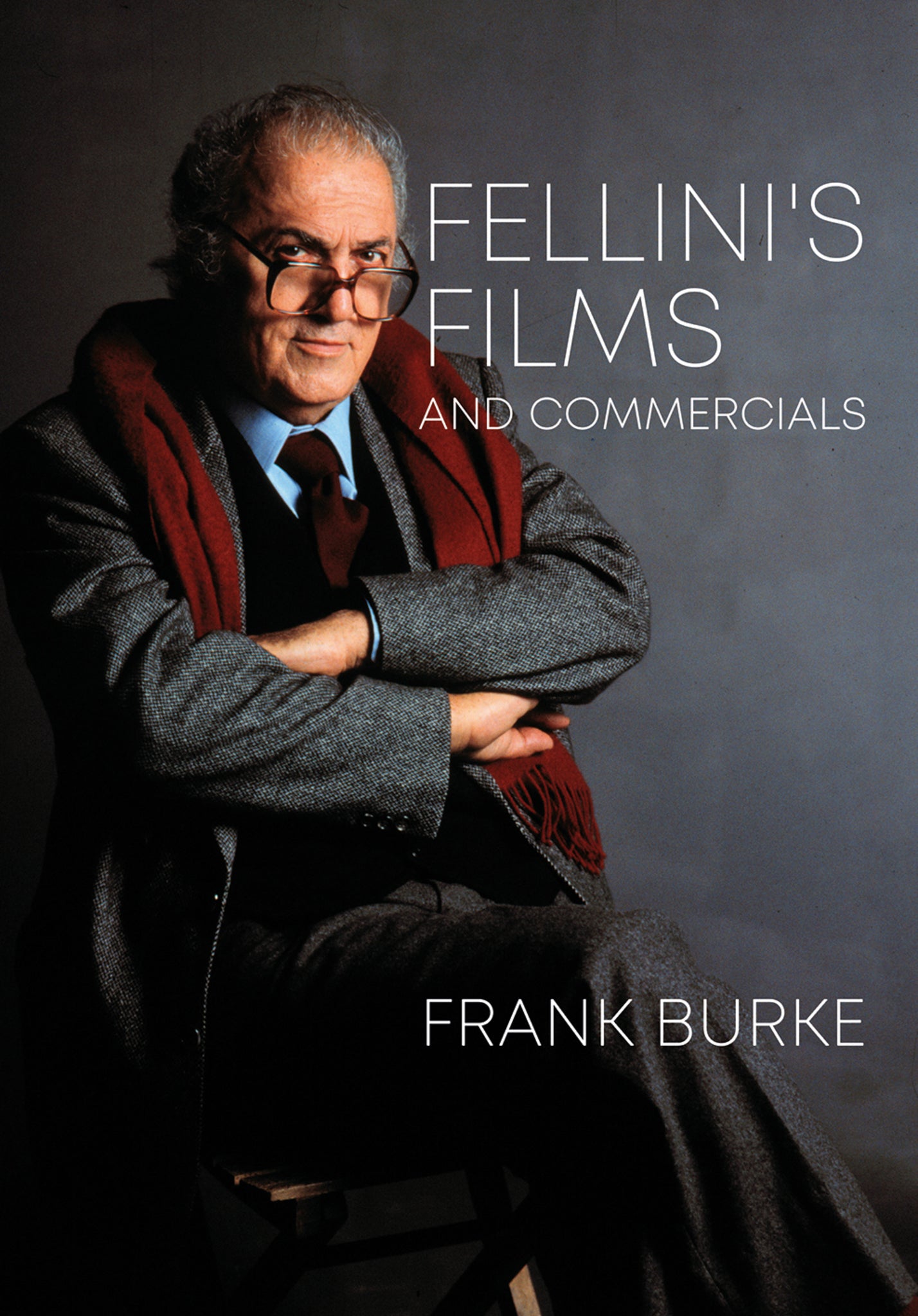
Federico Fellini’s distinct style delighted generations of film viewers and inspired filmmakers and artists around the world. In Fellini’s Films and Commercials: From Postwar to Postmodern, renowned Fellini scholar Frank Burke presents a film-by-film analysis of the famed director’s cinematic output from a theoretical perspective. The book explores Fellini’s movement from relatively classic filmmaking to modernist reflexivity and then to ‘postmodern reproduction’. Burke moves from analysis of stories told from a relatively ‘objective’ standpoint, to increased concentration on Fellini-as-author and on the cinematic apparatus, to Fellini’s dismantling of authorship and cinematic apparatus, to his postmodern signifying strategies. Grounded in poststructuralist approaches to texts and signification, Burke shows that Fellini is profoundly readable, if extremely complex.
Revisiting Burke’s 1996 Fellini’s Films: From Postwar to Postmodern, this new edition includes revised material from the original, plus a new preface and new chapter on the filmmaker’s work on commercials. Elegantly written and thoroughly researched, this book is essential reading for Fellini fans and scholars.


'Burke’s study is truly comprehensive and confronts a broad spectrum of topics from psychology and spirituality to film and camera theory, to name just a few. The author never leaves the reader unprepared for the next analysis, as he delivers important background information for context. What is most appreciated is Burke’s approach to his study as a whole. He supplies a meticulously detailed map in Fellini studies and equips readers with abundant knowledge to navigate through each film. However, he never forecloses readers’ own supplementary connections. Indeed, the monographic structure of the study directly encourages such engagement. The sharp and ever detailed analysis, which is at the study’s core, not only honours Fellini’s genius through his complexity, but it also inspires readers to appreciate and learn more about the beloved Italian director. Burke’s revised edition of his 1996 publication will continue to benefit scholars in future studies of the great Federico Fellini and his work.'
Preface and Acknowledgements to the 2020 Edition
Preface and Acknowledgements to the 1996 Edition
Chapter One: Fellini in Context
Chapter Two: Individuation Denied: Variety Light to Il Bidone
Chapter Three: Individuation and 'Creative Negation': Nights of Cabiria and La Dolce Vita
Chapter Four: Film about Film and Modernist Self-Reflexivity: The Temptation of Dr. Antonio
Chapter Five: 8½, Juliet of the Spirits, and Toby Dammit
Chapter Six: The Individual in Crisis from 8½ to Fellini- Satyricon
Chapter Seven: The Individuation of Art versus Character: Fellini-Satyricon and The Clowns
Chapter Eight: Art and Individuality Dissolved: Roma, Amarcord, and Orchestra Rehearsal
Chapter Nine: Postmodern Reproduction: Fellini’s Casanova to Intervista (and La Dolce Vita Revisited)
Chapter Ten: The Voice of the Moon
Chapter Eleven: Fellini's Commercials
Chapter Twelve: Politics, Race, Gender, and Sexual Orientation