





Some error occured while loading the Quick View. Please close the Quick View and try reloading the page.
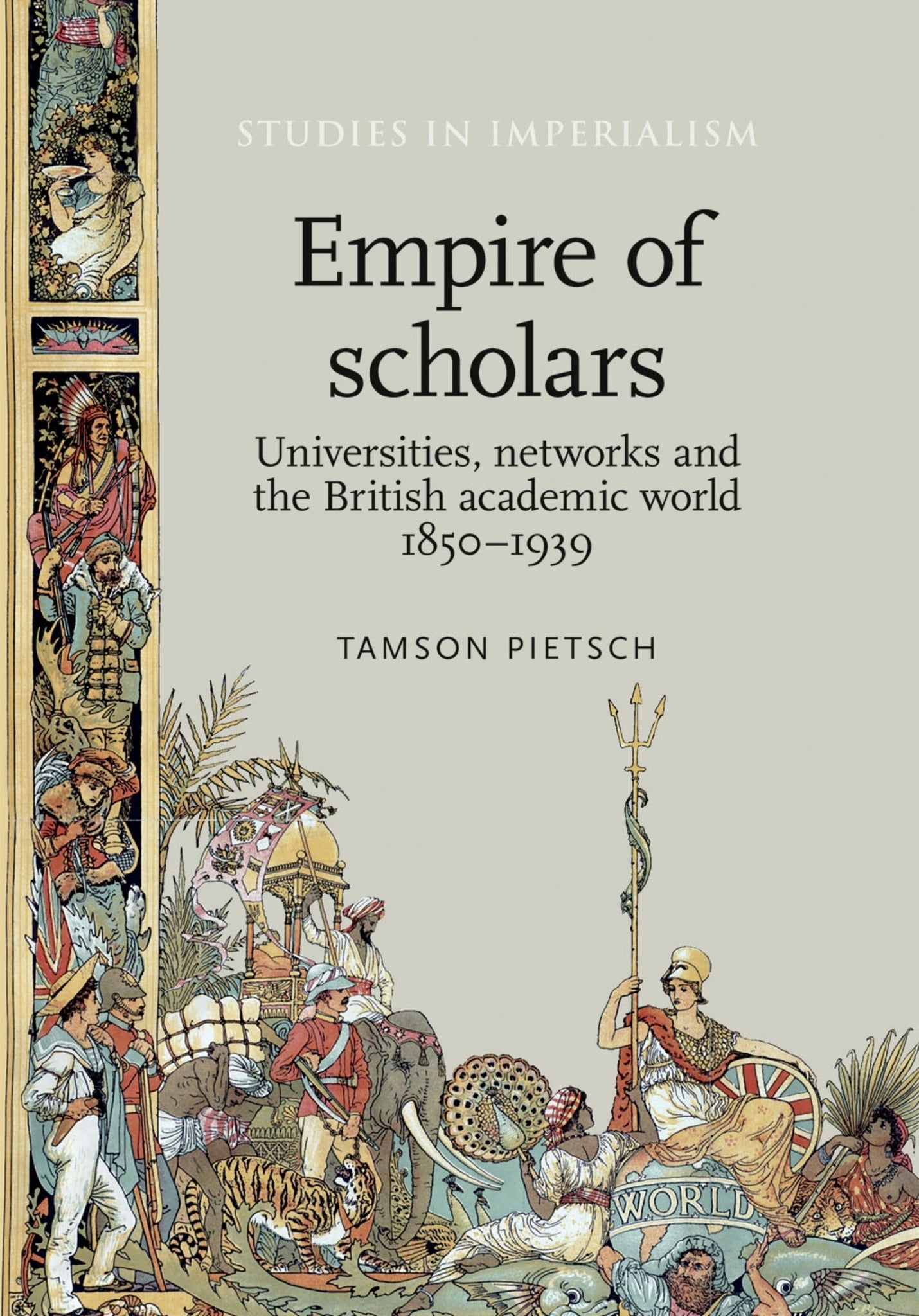


Along with this exclusion of Americans, Pietsch also recognises racial and gendered exclusions, responding directly to the criticisms outlined above that have been levelled at the British World framework. She explicitly acknowledges that this British academic world privileged “raced and gendered forms of trust and sociability, [and that] the social and institutional practices that connected settler scholars to those in Britain simultaneously sidelined the empire’s various ‘others.’”
‘Pietsch’s readable study is a nuanced account of “the social and institutional practices of British and settler English-speaking universities” (p. 8) and explores libraries, scholarships, academic trafficking and appointment practices, and the formalization of imperial university relationships. The book, which is based on the records of the Association of Commonwealth Universities and its precursors, as well as a dozen or more university archives, includes a valuable calendar of dates of foundations of pre–World War II British and Empire universities. It is essential reading for historians of higher education.’
William H. Brock, Isis—Volume 107, Number 4, December 2016
General Editor's introduction
Introduction
Part I: Foundations, 1802–80
1. Building institutions
Part II: Connections, 1880–1914
2. Forging links
3. Making appointments
4. Imperial association
Part III: Networks, 1900–39
5. Academic traffic
6. The Great War
7. After the peace
Part IV: Erosions, 1919–60
8. Alternate ties
Conclusion
Appendices
Bibliography
Index