Skip to product information
1 of 1

Cattle and People

Publisher:

Regular price £76.50
Sale price £76.50 Regular price £76.50
Sale Sold out
The contributions in this volume reflect the breadth of work being undertaken on the ancient relationship between humans and cattle across the continents of Europe, Africa and Asia, and from the la...
Read More
  • Format:
  • 05 September 2022
View Product Details

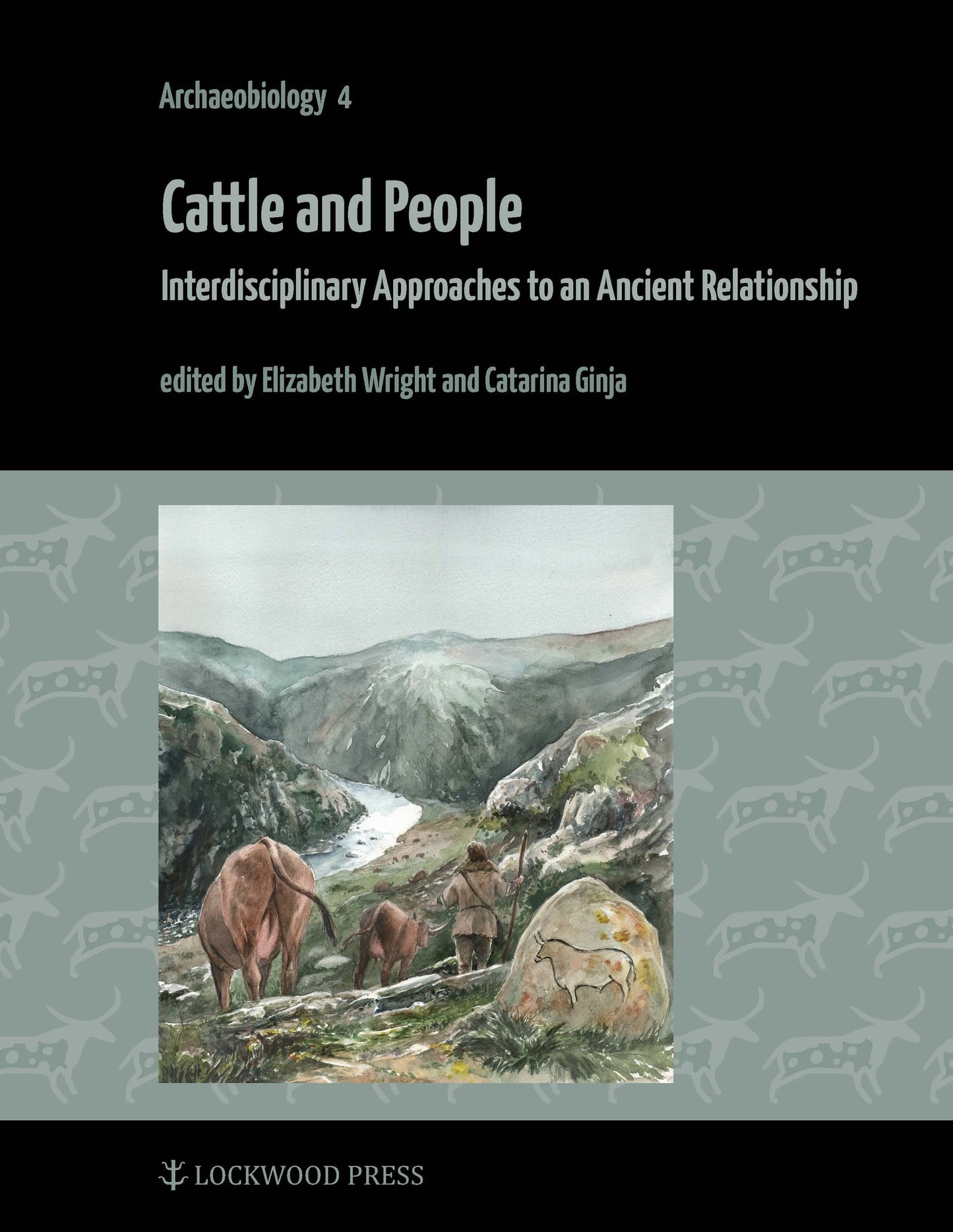
The contributions in this volume reflect the breadth of work being undertaken on the ancient relationship between humans and cattle across the continents of Europe, Africa and Asia, and from the late Pleistocene to postmedieval period. Almost all involve the study of archaeological cattle remains. They use different zooarchaeological methods, but the combinations of these varied approaches with that of ethnography, isotopes and genetics is a major feature.

Cattle and Humans originated in a session that took place at the 2018 International Council of Archaeozoology conference in Ankara, Turkey, entitled "Humans and Cattle: Interdisciplinary Perspectives to an Ancient Relationship." The aim of the session was to bring together zooarchaeologists and their colleagues from various other research fields working on human/cattle interactions over time.

files/i.png Icon
Price: £76.50
Pages: 364
Publisher: Lockwood Press
Imprint: Lockwood Press
Series: Archaeobiology
Publication Date: 05 September 2022
ISBN: 9781948488730
Format: Hardcover
BISACs:

HISTORY / Ancient / General, History and Archaeology, HISTORY / General, SOCIAL SCIENCE / Archaeology, TECHNOLOGY & ENGINEERING / Agriculture / General, TECHNOLOGY & ENGINEERING / Agriculture / Animal Husbandry, Archaeology by period / region, Animal husbandry, Agriculture and farming, Archaeological science, methodology and techniques

REVIEWS Icon
This book presents several less well known but interesting examples of the diverse roles of cattle in human society that go beyond their agricultural performance. An aim for the future is a further progress in the analysis of ancient bovine genomes. This may reveal migrations, the origin and spread of adaptive alleles and tell us how the ancient management of cattle created their present diversity. Overall, this is an interesting book that opens a new perspective of the role of cattle in human society.
— Johannes A. Lenstra

Lizzie Wright is a European Fellow at the University of York.

Catarina Ginja is the leader of the archaeogenetics research group at BIOPOLIS/CIBIO/InBIO and an invited collaborator at the Faculty of Sciences, University of Porto.