





Some error occured while loading the Quick View. Please close the Quick View and try reloading the page.
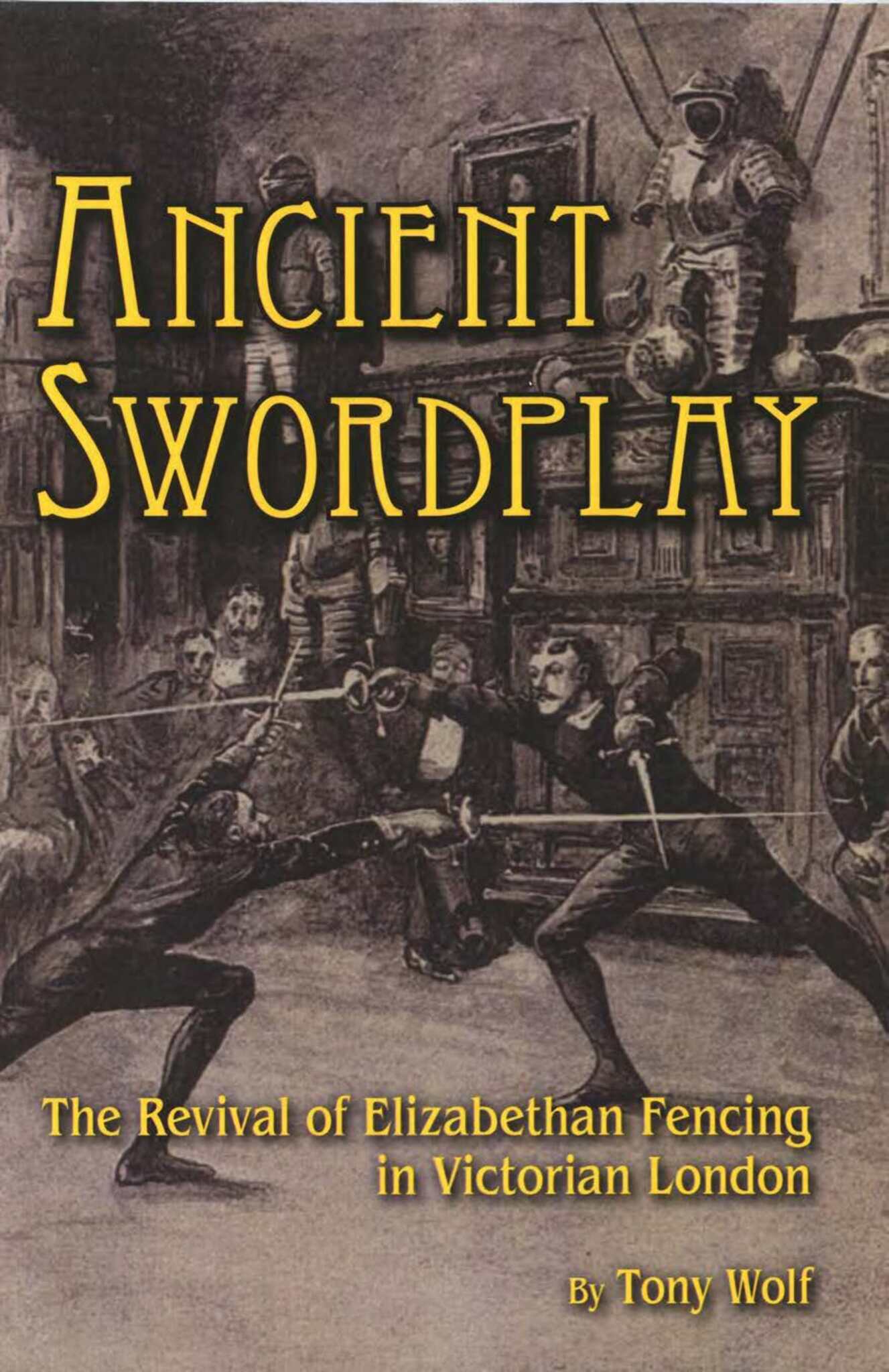
In late Victorian England, even as the sword was being rendered useless on the battlefield, swordsmanship was experiencing a unique revival. Captain Alfred Hutton and Egerton Castle, both devoted fencers and amateur historians, led a systematic study and reconstruction of combat with all the weapons of the Elizabethan arsenal - the elegant rapier, deadly sword and buckler, and the massive two-handed sword. Their work found practical expression in classes, exhibitions, academic lectures and theatrical combat, for audiences as diverse as school children, soldiers and the Prince of Wales.
Yet for all of their efforts, Hutton and Castle did not establish a tradition of historical swordsmanship that survived their own generation. Instead, their books and essays were largely forgotten until the second revival of ancient swordplay in the late 20th century, and today's researchers often view these early efforts with a cavalier or dismissive eye. In Ancient Swordplay: the Revival of Elizabethan Swordplay in Victorian England, 19th-century martial arts scholar, theatrical fight director and martial artist Tony Wolf reexamines Hutton and Castle's work, both through their own words and those of their enthusiasts, students and critics. Rather than earnest but misguided amateur scholars, they are revealed to be the inventors of a systematic study and practice of lost fighting arts that has only been exceeded in recent years, worthy of being celebrated as the true pioneers in the field.


Tony Wolf has spent more than thirty-five years in an international career blending the martial and the creative arts. He has authored or edited nine books and numerous articles for journals, anthologies, websites and encyclopedias. His script for the one-act play Satisfaction tied for first place in the 2006 Joining Sword and Pen international playwriting competition. Tony's fight choreography and action design have been featured in more than two hundred stage, screen and video game productions, including cultural fighting styles design for the Lord of the Rings trilogy. A pioneer of motion capture action design, he was also instrumental in the revival of Bartitsu, a mixed martial art created at the turn of the twentieth century.
A Note on the Illustrations
Foreword
Preface
Acknowledgements
Chapter 1: Edgerton Castle
Chapter 2: Alfred Hutton
Chapter 3: The Kernoozers Club
Chapter 4: Early Revivals and Grand Assaults-at-Arms
Chapter 5: The First Generation
Chapter 6: Exhibitions of Ancient Swordplay (1888-92)
Chapter 7: Hutton's Cold Steel and Old Sword Play
Chapter 8: Verie Many Weapons: More Exhibitions of Ancient Swordplay (1893-6)
Chapter 9: Sword Fighting and Sword Play (1897-8)
Chapter 10: The Headquarters of Ancient Swordplay: The Bartitsu Club (1899-1902)
Chapter 11: Drawing to a Close (1902-8)
Chapter 12: Last of the Old Swordsmen (1910-20)
Chapter 13: Whither, Ancient Swordplay?
Chapter 14: L'Escrime a Travers les Ages (A Return to Monnaie, 1894)
Chapter 15: The Artistic Archaeology of Vanished Fighting Arts: Georges Dubois and l'Escrime Ancienne
Gallery
Appendix
Selected Bibliography and Further Reading