





Some error occured while loading the Quick View. Please close the Quick View and try reloading the page.
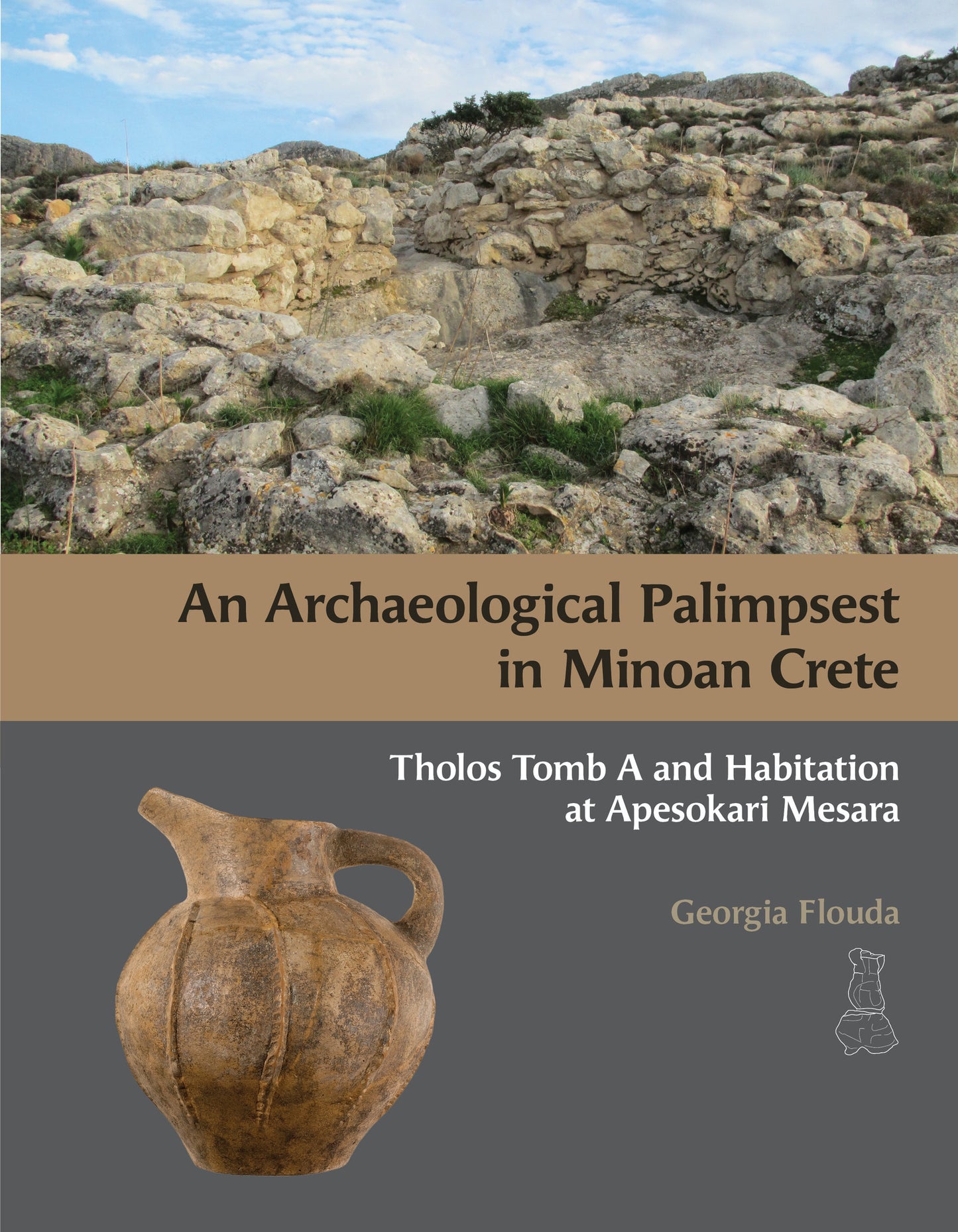
This publication presents the archaeological evidence from two associated Minoan sites situated at Apesokari in the Mesara Plain of South-Central Crete, Tholos Tomb A and the neighboring free-standing domestic complex on Vigla Hill. It thoroughly reconstructs the natural and social landscape of this Cretan community from the late Prepalatial to the early Neopalatial periods through its interdisciplinary character; this includes photogrammetric two- and three-dimensional models of the architectural remains, viewshed analysis of both monuments and of the earlier Tholos Tomb B, as well as A-DNA and stable isotope analysis of the bones. The study of the burial dataset provides insights into the social construction of collective memory and identity by the burying social group, whereas the habitational deposits from the building on Vigla hill establish the longevity and function of the site as a node of the southern Mesara communication and exchange networks.

Price: £75.00
Pages: 410
Publisher: INSTAP Academic Press
Imprint: INSTAP Academic Press
Series: Prehistory Monographs
Publication Date:
21 August 2023
ISBN: 9781931534352
Format: Hardcover
BISACs:

. . . the authors offer greater insights into the interplay between the social, economic and funerary arenas within Minoan society. . . . this monograph demonstrates the wealth of information that can be extracted from legacy collections with weakly provenanced material, while highlighting the urgent need to re-evaluate storerooms for similarly understudied assemblages. Together, Flouda and colleagues present a comprehensive site report that scholars of the Aegean Bronze Age will certainly value for its content, methodology and cohesive organisation.
Evans, Scott G.E., Antiquity, 25 March 24