





Some error occured while loading the Quick View. Please close the Quick View and try reloading the page.
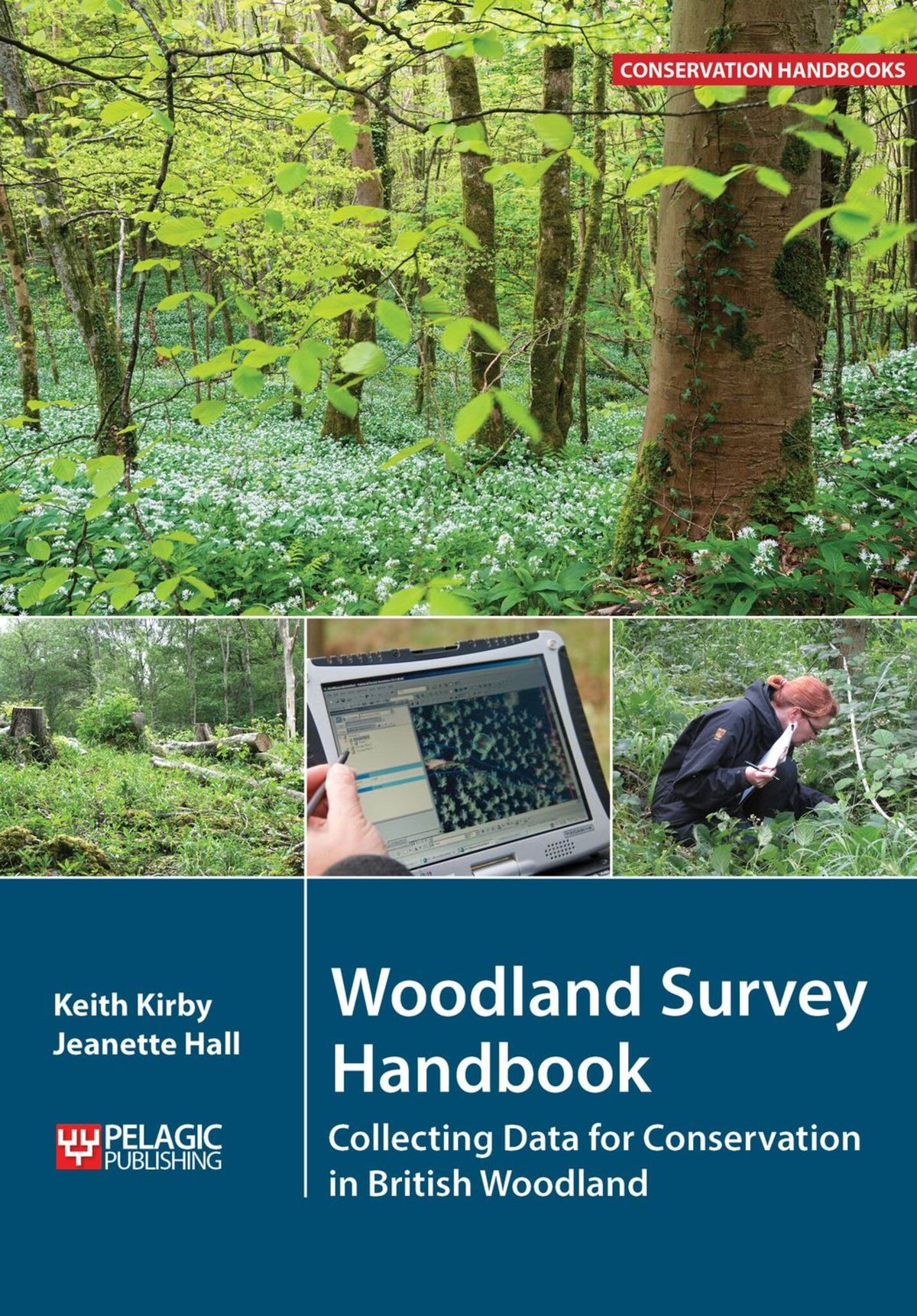
How do you record the wildlife in a wood? This book explains ways to record the flora and fauna found in woodland and outlines the sources you can use to find out more about the history and management of an area. Whether you have just a few hours, or a few years, there are examples that you can follow to find out more about this important habitat.
Woods include some of the richest terrestrial wildlife sites in Britain, but some are under threat and many are neglected, such that they are not as rich as they might be. If we are to protect them or increase their diversity we need first to know what species they contain, how they have come to be as they are, to understand how they fit into the wider landscape. Conservation surveys are the bedrock on which subsequent protection and management action is based.
There is not one method that will be right for all situations and needs, so the methods discussed range from what one can find out online, to what can be seen on a general walk round a wood, to the insights that can come from more detailed survey and monitoring approaches. Fast-evolving techniques such as eDNA surveys and the use of LiDAR are touched on.


... this book is very practical and ideally suited to citizen science projects, especially given that woodlands are increasingly under threat.
— Roy Stewart
Kirby and Hall have done a good job, as have the publishers with an attractive, easily used and very well illustrated volume.
— Julian Evans
The book is a real boon to all interested in woodland and its ecology, and in addition its analytical detail should be a compulsory ‘read’ for anyone undertaking any survey work.
— Chris O Badenoch
Keith Kirby was for over 30 years a woodland ecologist with Natural England and its predecessors and has a wealth of experience from different surveys across Britain.
Jeanette Hall now has a similar role in Scottish Natural Heritage and adds an upland perspective to the mix. Both have drawn extensively on the experience of past and present colleagues in the agencies and elsewhere to create this account.
Preface
Acknowledgements
1. Introduction
2. Background to nature conservation surveys
3. Landscape-scale assessment – putting sites into their wider context
4. Site assessment surveys
5. A basic walkabout survey
6. Going beyond walkabout
7. Surveys for species groups other than vascular plants
8. Long-term surveillance to detect change
9. Conclusions
References
Appendices