





Some error occured while loading the Quick View. Please close the Quick View and try reloading the page.
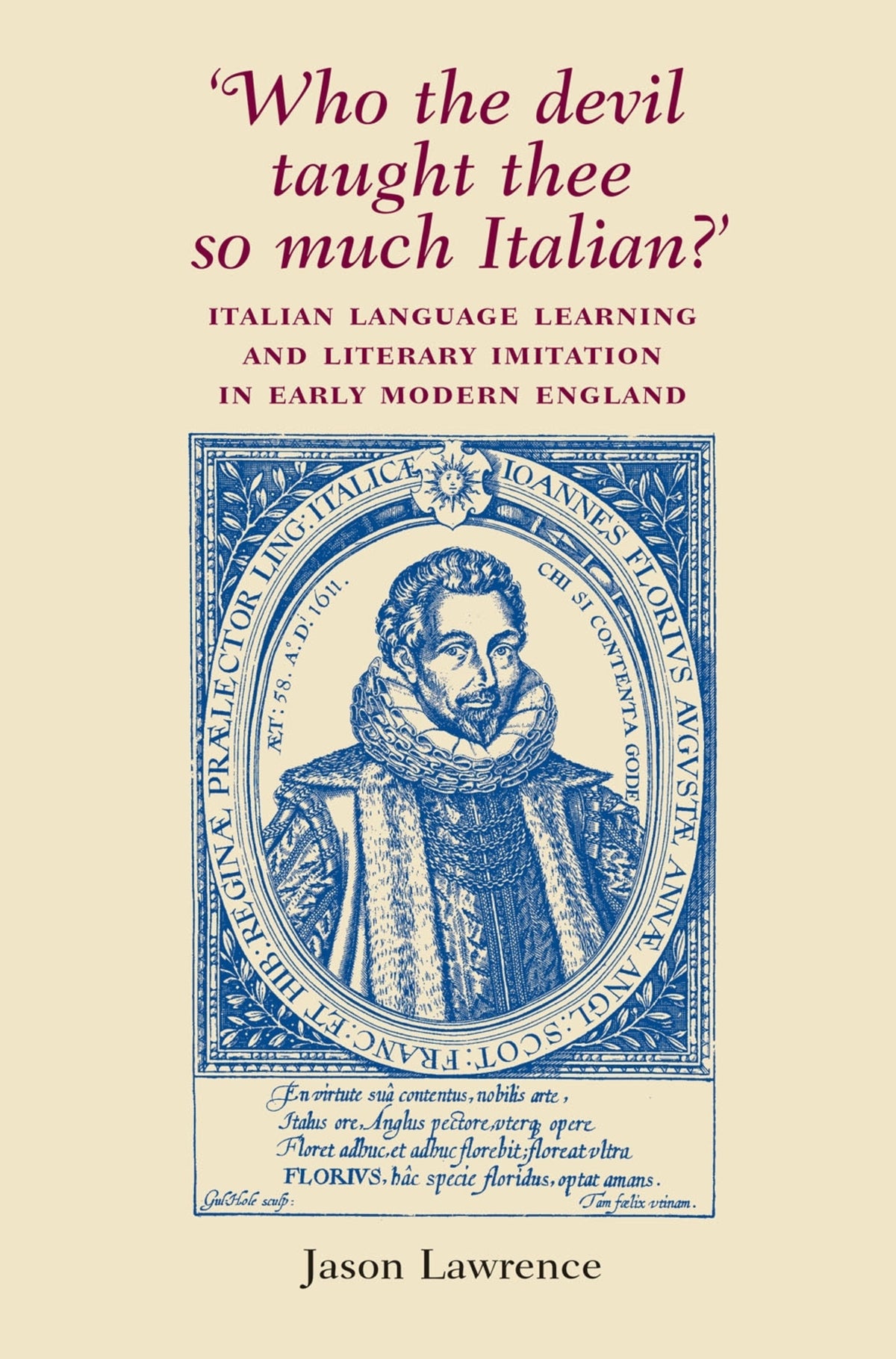
This book offers a comprehensive account of the methods and practice of learning modern languages, particularly Italian, in late sixteenth and early seventeenth century England. It is the first study to suggest that there is a fundamental connection between these language-learning habits and the techniques for both reading and imitating Italian materials employed by a range of poets and dramatists, such as Daniel, Drummond, Marston and Shakespeare, in the same period.
The widespread use of bilingual parallel-text instruction manuals from the 1570s onwards, most notably those of the Italian teacher John Florio, highlights the importance of translation in the language-learning process.
This study emphasises the impact of language-learning translation on contemporary habits of literary imitation, in its detailed analyses of Daniel's sonnet sequence 'Delia' and his pastoral tragicomedies, and Shakespeare's use of Italian materials in 'Measure for Measure' and 'Othello'.


Acknowledgements
Introduction
1 ‘Mie new London Companions for Italian and French’: modern language learning in Elizabethan England
Petrarch and the Italian sonnet as language-learning tools
William Drummond’s Italian studies
2. ‘A stranger borne /To be indenized with us, and made our owne’: Samuel Daniel and the naturalisation of Italian literary forms
'Delia' and the assimilation of the Italian sonnet
Daniel and Italian pastoral drama
3. ‘Give me the ocular proof’: Shakespeare’s Italian language-learning habits
Shakespeare’s tragicomedic dramatisations of Italian novelle
Marston’s 'The Malcontent' and Guarinian tragicomedy
'Othello', Cinthio and 'Orlando furioso'
Conclusion - Seventeenth-century language learning
Appendix: John Wolfe’s Italian publications
Bibliography