





Some error occured while loading the Quick View. Please close the Quick View and try reloading the page.
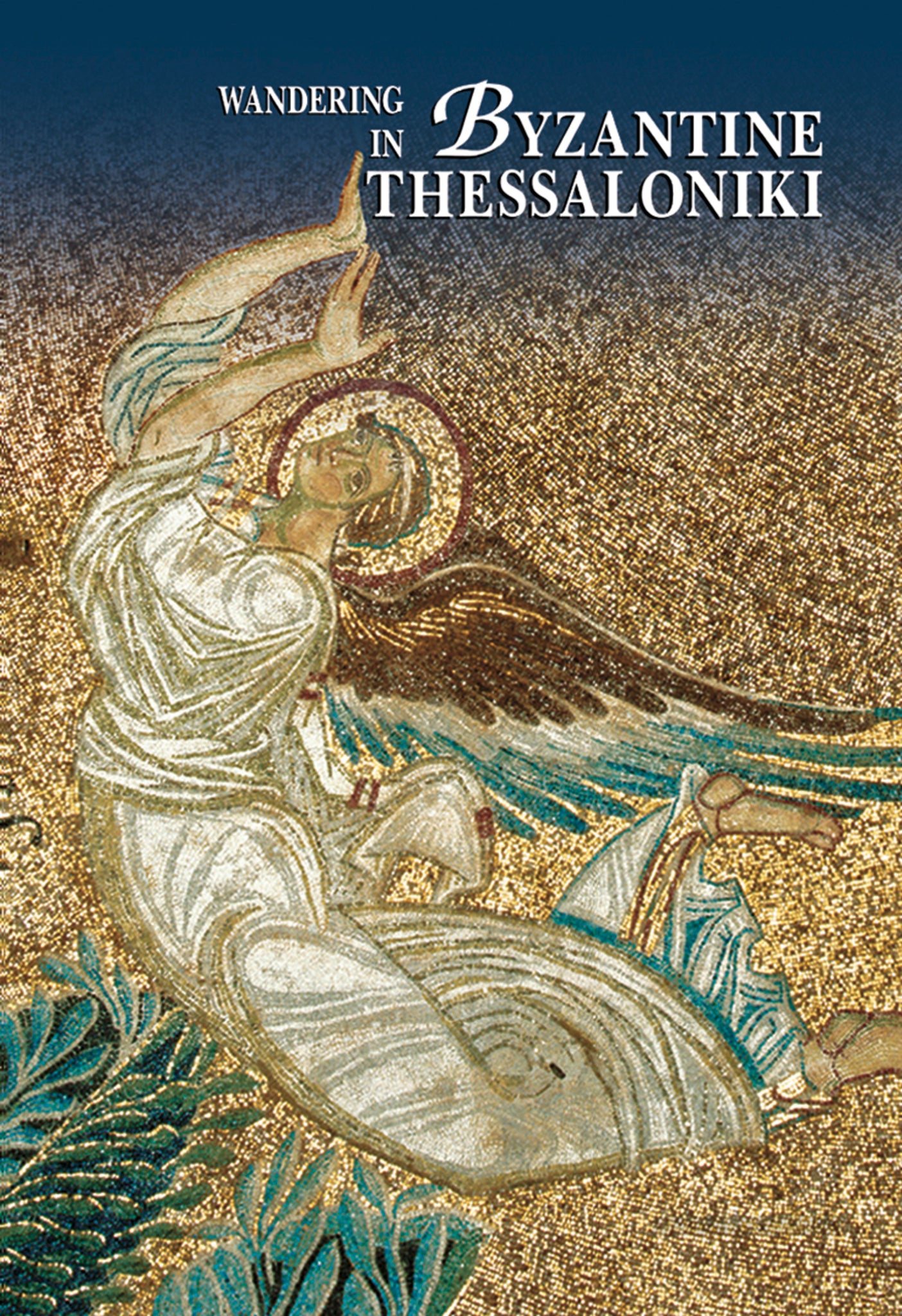
Thessaloniki, the most important city in the Byzantine empire after Constaninople, experienced periods of great economic prosperity and cultural and artistic flowering that created monuments of great importance in the development of Byzantine civilisation. Throughout its existence a bustling metropolis and Mediterranean port, the city is unusual in having a continuous history and cultural evolution that were not interrupted even in the most turbulent times.
The monuments surviving from over two thousand years of history of the Byzantine city are representative of Byzantine culture and art over the centuries. Thessaloniki is now regarded as an open-air museum of Byzantine art.
Wandering in Byzantine Thessaloniki reveals the Byzantine face of the city to the modern visitor, through the marks stamped on it by 2,300 years of history. The text describes and evaluates all the most recent evidence for the Byzantine monuments of the city.
Lavishly illustrated, it offers an elegant account of the history of Byzantine civilization, enticing visitors along the major streets and narrow alleyways of the Upper town and introducing them, through the expertise of the specialist and the love of the admirer, to the enchantment of its unique monuments.
English language text. 259 illustrations including 220 full colour.


EFTYCHIA KOURKOUTIDOU-NIKOLAΪDOU Honorary Director of the Museum of Byzantine Culture in Thessaloniki
ANASTASIA TOURTA Director of the Museum of Byzantine Culture in Thessaloniki
INTRODUCTION
THE WALLS AND THE ACROPOLIS
The shell of the ancient city and the urban organisation within it
INLAND FROM THE SEA ALONG THE EAST WALLS
The White Tower, the churches of Ayios Antonios and the Nea Panayia.
The cemetery basilica in Triti Septemvriou Street
AROUND THE PROCESSIONAL WAY
The churches of the Ypapandi, the Saviour, the Panagouda, Ayios Pandeleimon. The Arch of Galerius and the Rotunda
THE STREETS OF THE UPPER CITY
From the Hormisdas Tower to Trigonion Tower. The Early Christian cemetery, the church of Ayios Nikolaos Orphanos, the church of the Laodigitria, the Byzantine cistern, the Byzantine baths, the church of the Taxiarchs, the church of Hosios David, Vlatadon Monastery, the Early Christian cistern
FROM THE UPPER CITY TO THE HARBOUR OF CONSTANTINE THE GREAT
The churches of Profitis Ilias, Ayia Ekaterini and the Ayioi Apostoloi, the “Phoenix” baths and the Vardari Fortress
THE CITY COMMERCIAL CENTRE
The church of Ayios Minas, Yahudi hamaml, the Bezesten and Hamza Bey Camii
AROUND THE ANCIENT AGORA
The basilica of Ayios Dimitrios, Yeni hamam and Alaca Imaret, the church of the Panayia Chalkeon, Bey hamaml, the church of the Acheiropiitos
FROM THE CATHEDRAL OF BYZANTINE
THESSALONIKI TO THE MODERN CATHEDRAL
The churches of Ayia Sophia and Ayios Grigorios Palamas
SELECT BIBLIOGRAPHY