





Some error occured while loading the Quick View. Please close the Quick View and try reloading the page.
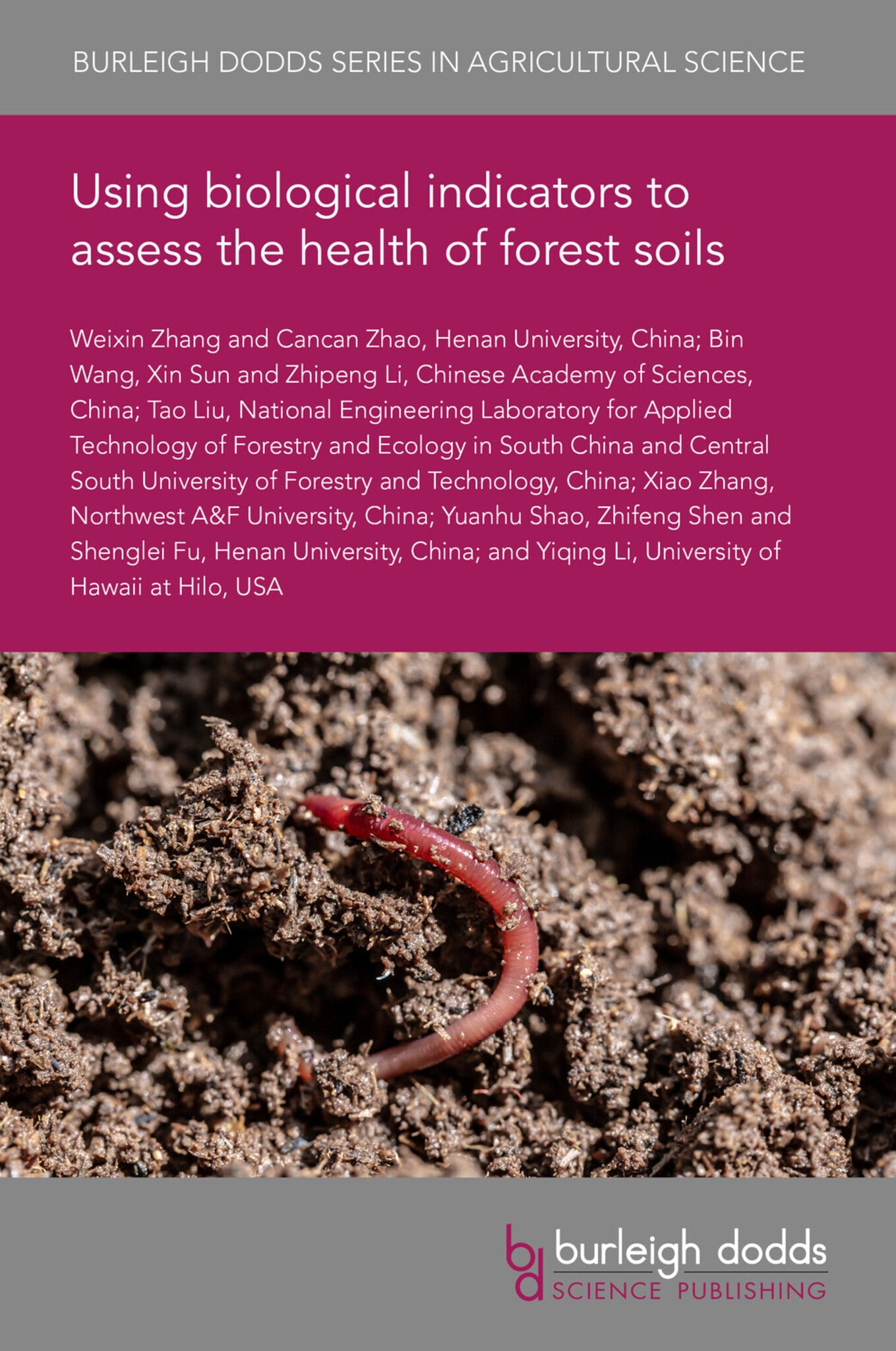
In this study, we define forest soil health as “the continued capacity of soil to function as a vital living ecosystem that sustains native biodiversity, ecological balances, and ecosystem services in forests.” Soil health, a cornerstone of forest ecosystem health, has seen its assessment methods evolve from traditional chemical and physical property measurements to include comprehensive assessments that incorporate biological indicators. The purpose of this chapter is to illustrate the challenges facing forest soil health, how to evaluate forest soil health based on biological indicators, and the issues that need to be considered, with the aim of providing valuable insights for ultimately constructing a simple and effective biological-based forest soil health indicator system.


- 1 Introduction
- 2 Soil health and forest resilience
- 3 How to characterize forest soil health
- 4 Assessing soil health through biological indicators:ecosystem functions and plant characteristics
- 5 Assessing soil health through biological indicators:soil fauna
- 6 Using representative taxa: earthworm communitiesand soil health
- 7 Using representative taxa: nematode communitiesand soil health
- 8 Soil microbial communities and soil health
- 9 Biochemical indicators of forest soil health
- 10 Ecological processes, forest soil health, andresilience
- 11 Challenges and future trends
- 12 References