





Some error occured while loading the Quick View. Please close the Quick View and try reloading the page.
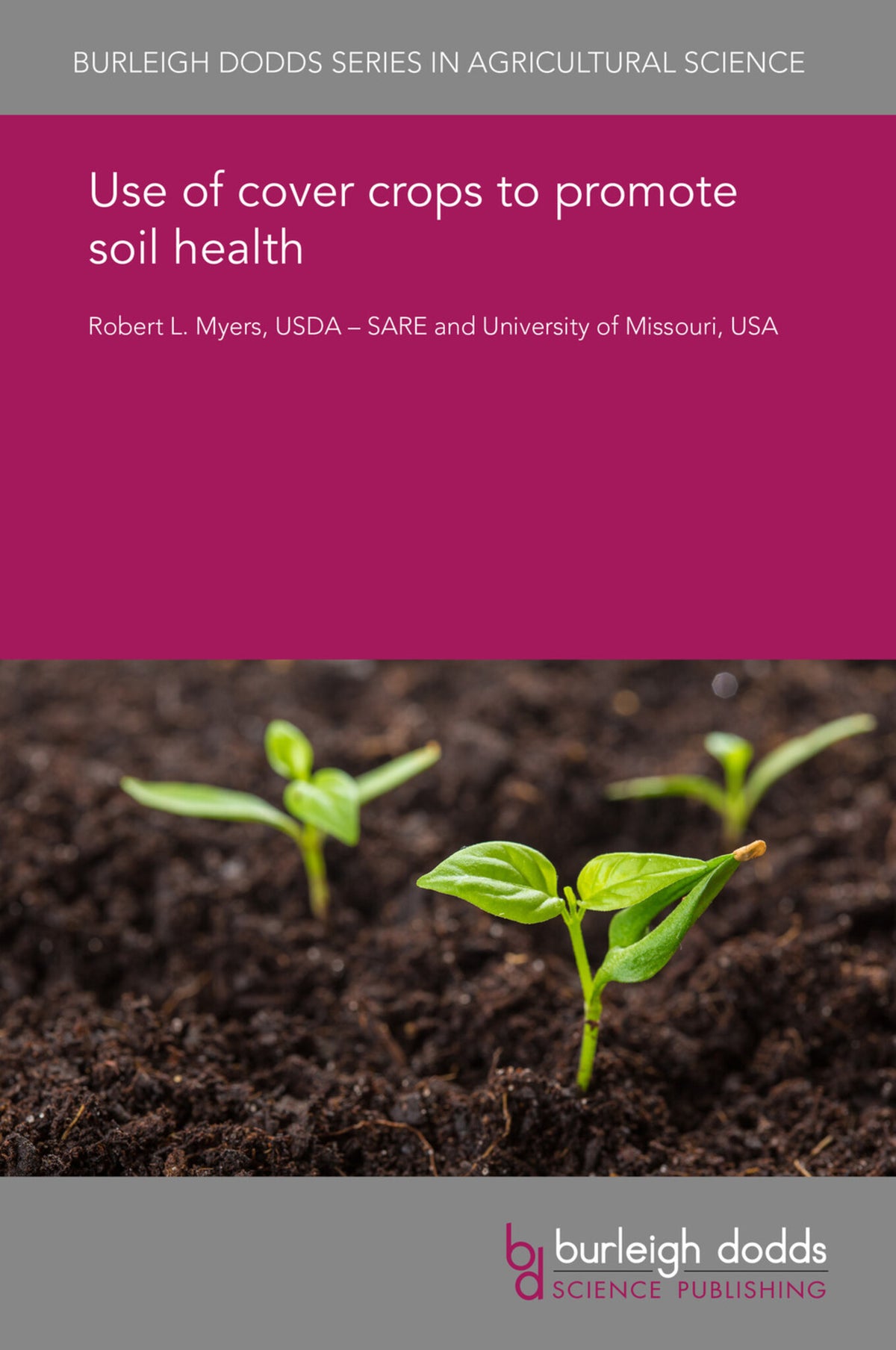
Several principles are recommended for improving soil health, including keeping the soil covered, providing living roots as much of the year as possible, increasing biodiversity and reducing disturbance of the soil. Cover crops contribute to achieving all of these principles. In addition to their contributions to soil health, cover crops help with weed and pest management, provide habitat and food for pollinators and wildlife, and contribute to environmental benefits such as reduced erosion, sediment loss and water quality impacts from nutrients and pesticides. This chapter describes a range of different ways that cover crops can help improve or promote soil health. Many of the cover crop impacts on soil health are interrelated, and such connections will be identified where appropriate in the following sections.

Price: £25.00
Publisher: Burleigh Dodds Science Publishing
Imprint: Burleigh Dodds Science Publishing
Series: Burleigh Dodds Series in Agricultural Science
Publication Date:
06 August 2018
ISBN: 9781786764119
Format: eBook
BISACs:

1 Introduction 2 Benefits of cover crops for soil organisms and soil organic matter 3 Benefits of cover crops for soil health related to soil physical properties 4 Impacts of cover crops on soil health through increased biodiversity, reintegration of livestock and profitability 5 Summary and conclusions 6 Where to look for further information 7 References