





Some error occured while loading the Quick View. Please close the Quick View and try reloading the page.
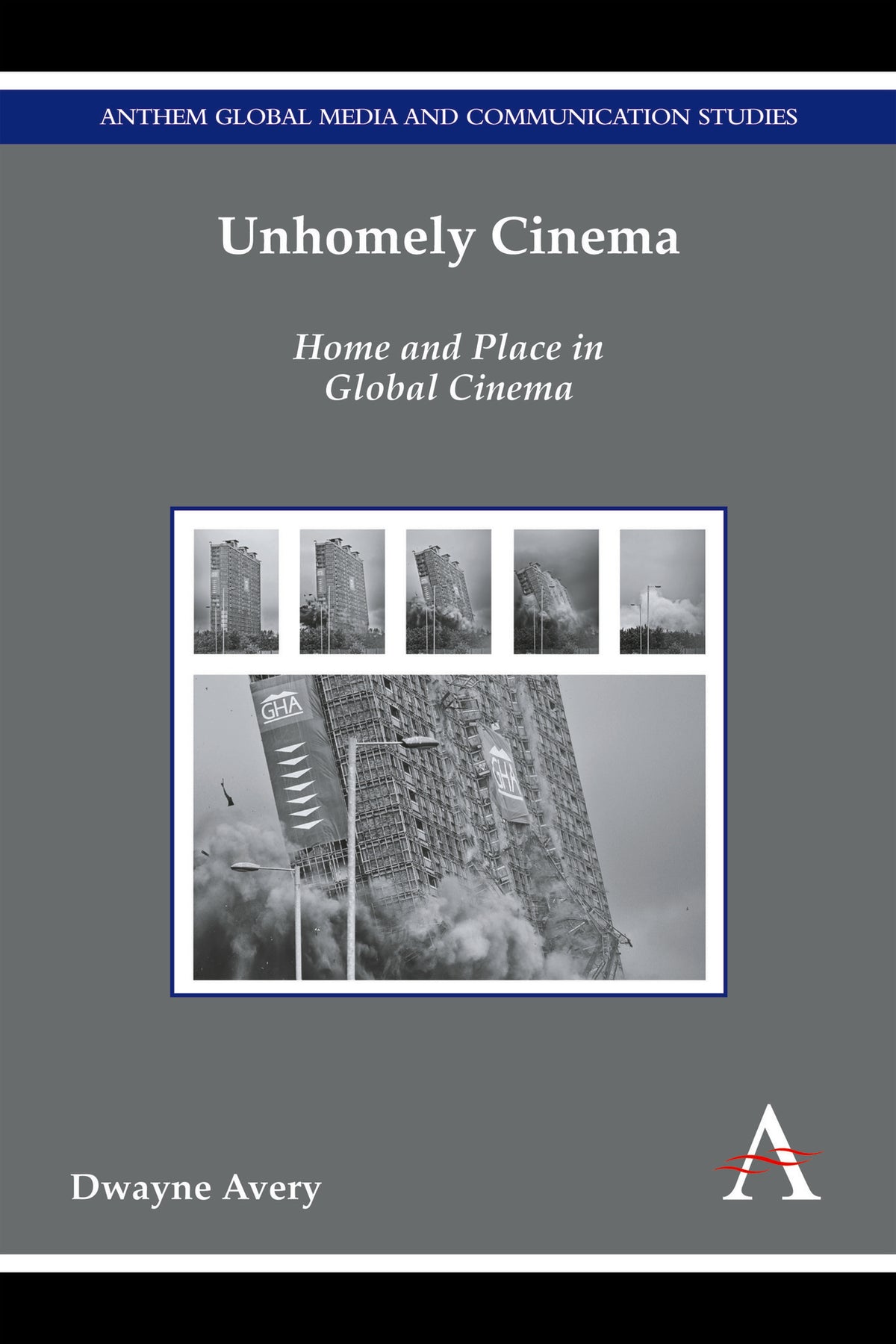
Representations of troubled and inhospitable domestic places are a common feature of many cinematic narratives. “Unhomely Cinema” explores how the unhomely nature of contemporary film narrative provides an insight into what it means to dwell in today’s global societies. Providing analyses of a variety of film genres – from Michel Gondry’s comedy “Be Kind Rewind” to Laurent Cantet’s eerie suspense thriller “Time Out” – “Unhomely Cinema” presents an engaging discussion of some of the most pertinent social and cultural issues involved in the question of “making home” in contemporary societies.


“This thoughtful, engaging book highlights the enduring preoccupation with concepts of home in modern cinema. ‘Unhomely Cinema’ is a delightful work which moves film studies towards productive engagements with psychoanalysis, urban geography and social history.” —Will Straw, Director, McGill Institute for the Study of Canada, Montreal
“‘Unhomely Cinema’ delivers a powerful reading of today’s global cinema of precarity. Avery’s concept of the ‘cinematic unhomely’ provides a bold new model for understanding how contemporary film registers and reacts to the displacements and dislocations that define everyday life in the modern world.” —Andrew Burke, University of Winnipeg
“As attentive to problems of mobility, scale and time as it is to place, ‘Unhomely Cinema’ inhabits the house of contemporary narrative cinema with great care. Through Avery’s sharp eyes, we glimpse new ways of dwelling in the most uncanny of places.” —Edward Schantz, McGill University, Montreal
Dwayne Avery is a postdoctoral fellow at York University, Toronto. He received his PhD from McGill University, Montreal.
Introduction: Unhomely Cinema; 1. An Unhomely Theory; 2. The Decline of the Family: Home and Nation in Krzysztof Kieślowski’s “The Decalogue”; 3. The Future Is behind You: Global Gentrification and the Unhomely Nature of Discarded Places; 4. No Place to Call Home: Work and Home in Paul Thomas Anderson’s “Punch Drunk Love” and Jason Reitman’s “Up in the Air”; 5. The Terrible Lightness of Being Mobile: “Cell Phone” and the Dislocation of Home; 6. Unhomely Revolt in Laurent Cantet’s “Time Out”; Conclusion; References; Index