





Some error occured while loading the Quick View. Please close the Quick View and try reloading the page.
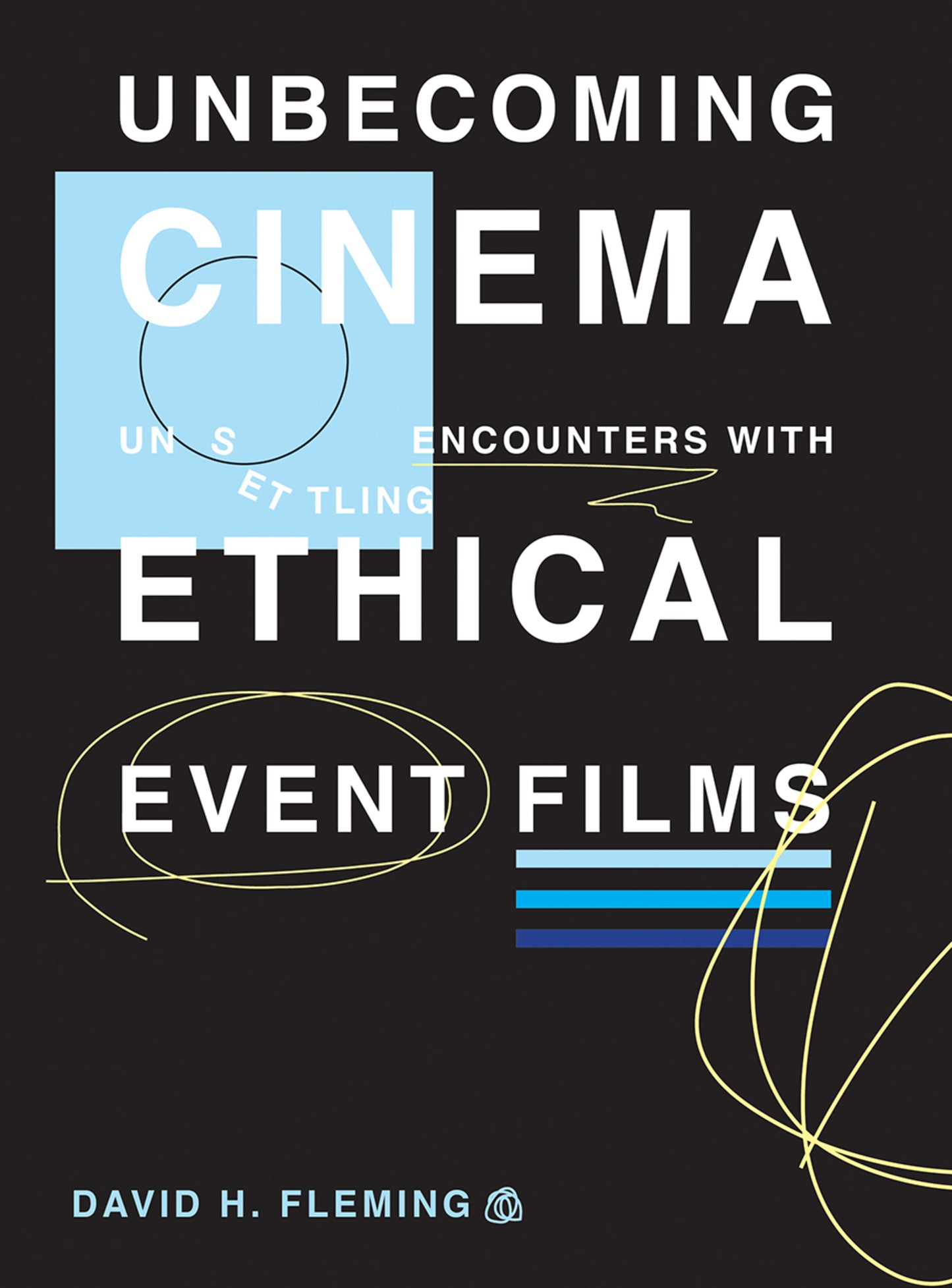
Unbecoming Cinema explores the notion of cinema as a living, active agent, capable of unsettling and reconfiguring a person’s thoughts, senses, and ethics. Film, according to David H. Fleming, is a dynamic force, arming audiences with the ability to see and make a difference in the world. Drawing heavily on Deleuze’s philosophical insights, as well as those of Guattari and Badiou, the book critically examines unsettling and taboo footage, from suicide documentaries to art therapy films, from portrayals of mental health and autism to torture porn. In investigating the effect of film on the mind and body, Fleming’s shrewd analysis unites transgressive cinema with metaphysical concepts of the body and mind.
A PDF version of this book is available for free in open access via the OAPEN Library platform, Unbecoming Cinema. It has been made available under a Creative Commons Attribution 4.0 International Public License and is part of Knowledge Unlatched.


'Unbecoming Cinema presents a compelling, fascinating and definitely challenging account of the cinematic ethics of negativity and, with its collection of analyses and discussions of disturbing ethical film events, it constitutes an incredibly effective and precious document for those interested in the possibility of building a practical and experimental film ethics that passes through an embodied film-philosophy. However, Fleming's text also expresses a political and ethical act itself. In this terrifying age of sad passions, when hatred, anguish, and, most of all, resentment appear as the only emotions we are still able to feel, showing us how to embrace the negative, and how to reprocess and to transform it into active knowledge and affirmative power is an act of absolute and joyful resistance.'
David H. Flemming
David H. Flemming
David H. Flemming
David H. Flemming
David H. Flemming
David H. Flemming
David H. Flemming