





Some error occured while loading the Quick View. Please close the Quick View and try reloading the page.
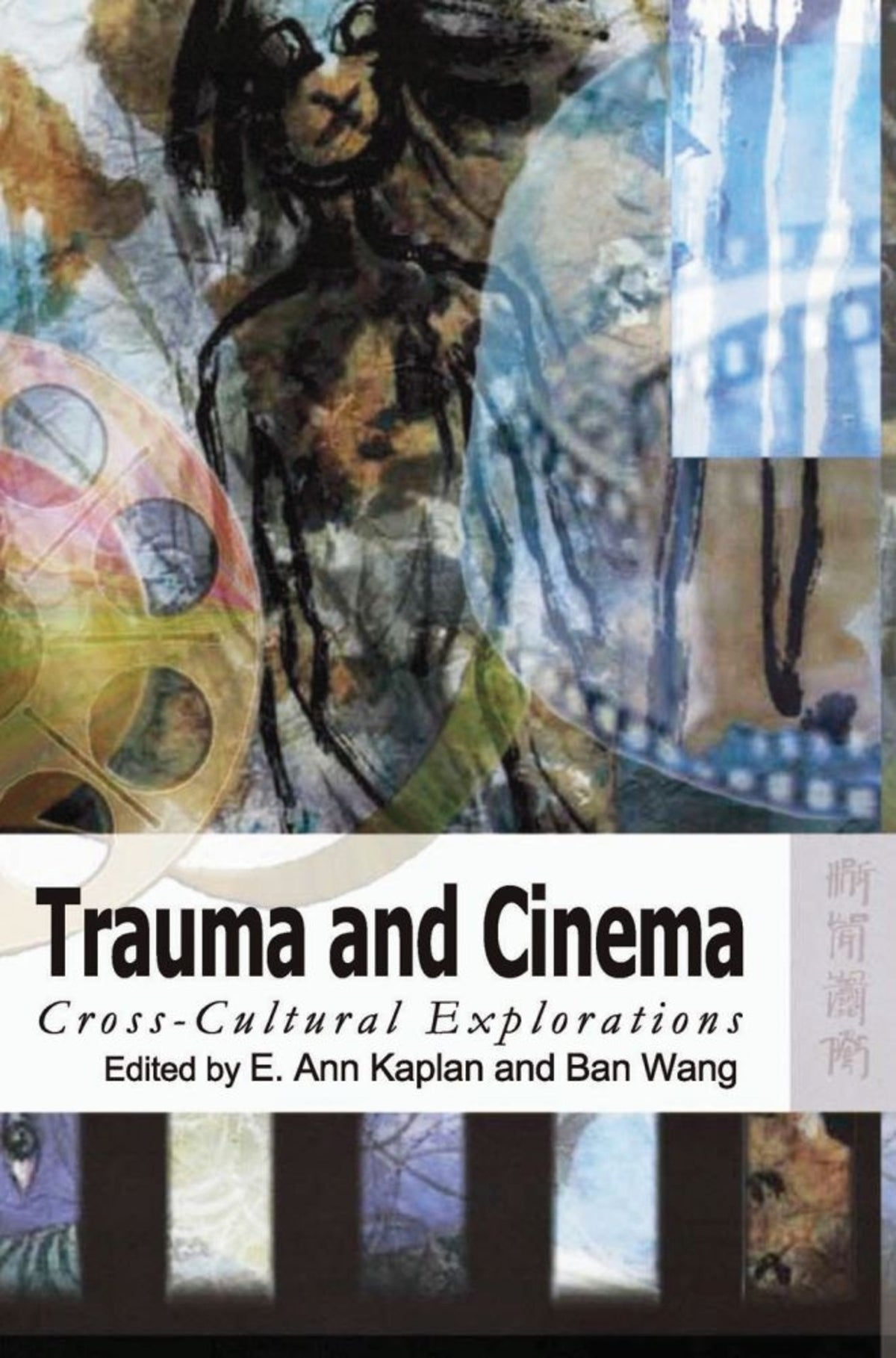
This volume addresses the relation of trauma to transnational modern mass media. The first of its kind, Trauma and Cinema: Cross-Cultural Explorations provides ten essays which explore the ways trauma works itself out as media -- in images in (and as) film, photography, and video -- in global cultural flows. The focus of our volume on the matrix of trauma, visual media and modernity seeks to engage and go beyond current tendencies in trauma studies. The book discusses how trauma presented in the media spills over national boundaries and can be found in images across divergent cultures in Africa, Asia, Australia, Europe and America. From the Holocaust to the Chinese Cultural Revolution, from Taiwan's colonial experience to the catastrophe of Hiroshima, from attempted annihilation of Australian Aborigines to attempted reconciliation in South Africa, these essays offer the reader a plethora of images of trauma for comparison and contrast.

Price: £31.80
Pages: 288
Publisher: Hong Kong University Press
Imprint: Hong Kong University Press
Publication Date:
05 September 2000
Trim Size: 9.50 X 6.60 in
ISBN: 9789622099791
Format: Paperback
BISACs:

This path-finding volume makes good on the promise implicit in its title: it describes a range of new cinematic and visual forms that have emerged in the context of historical trauma in a variety of national settings, and it strives to define the specific styles that can best come to grips with events that are sometimes considered unrepresentable. The careful analysis of individual texts and the informed and reflective commentary on theories of trauma and modes of representation will have a major impact on emerging scholarship.--Robert J. Burgoyne, author of Film Nation: Hollywood Looks at U.S. History
E. Ann Kaplan is professor of English and Comparative Literature and Director of the Humanities Institute at the Stony Brook University. She is the author of many books and articles, including several on feminism and film. Ban Wang is a professor of Asian Studies at Rutgers University and the author of The Sublime Figure of History: Aesthetics and Politics in Twentieth-Century China (Stanford University Press, 1997).