





Some error occured while loading the Quick View. Please close the Quick View and try reloading the page.
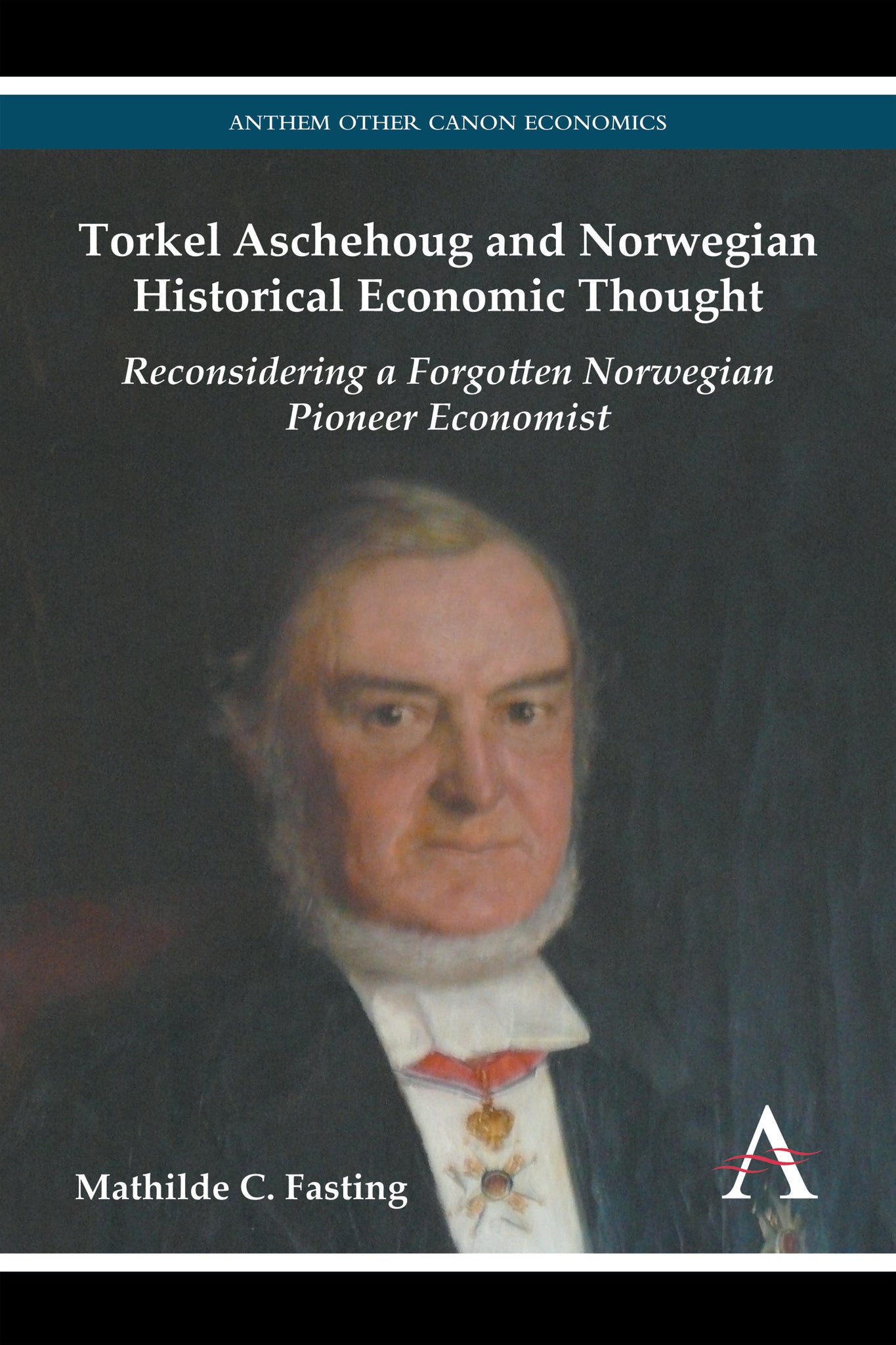
The historical schools of economics have been neglected within the arena of economic theory since the Second World War in favour of the now-dominant classical and neoclassical schools of economic thought. As alternative frameworks re-emerge, this book offers a revaluation of the legal theorist, economist and politician Torkel Aschehoug (1822–1909) and his historical-empirical approach to economics, a highly influential current in Norway during the last decades of the nineteenth century.


Acknowledgements; Chapter 1: Introduction; Chapter 2: Biography; Chapter 3: Norwegian Economic and Political Context in the Nineteenth Century; Chapter 4: Norwegian Economic Thought and Method; Chapter 5: Development of the Economic Thought of Aschehoug: Statsøkonomisk Forening and the ‘Socialøkonomik’ Project; Chapter 6: The German Historical School: Similarities, Influences and Discrepancies; Chapter 7: Alfred Marshall: Aschehoug and the Adoption of Marginal Theory; Chapter 8: The French Influence: Adopting Say and Refuting Socialism; Chapter 9: Views of Labour in the Work of Aschehoug; Chapter 10: The Entrepreneur: The Fourth Production Factor; Chapter 11: Trade and Customs Debates from 1840 to 1906 165;Chapter 12: The Theory of Economic Crises; Chapter 13: The Legacy of Aschehoug: Concluding Remarks; Appendix A: Other Norwegian Turn-of-the-Century Economists; Appendix B: Drafts for ‘Socialøkonomik’; Appendix C: Detailed Contents of ‘Socialøkonomik’ (First Editions from 1903 to 1908); Notes; Literature; Index