





Some error occured while loading the Quick View. Please close the Quick View and try reloading the page.
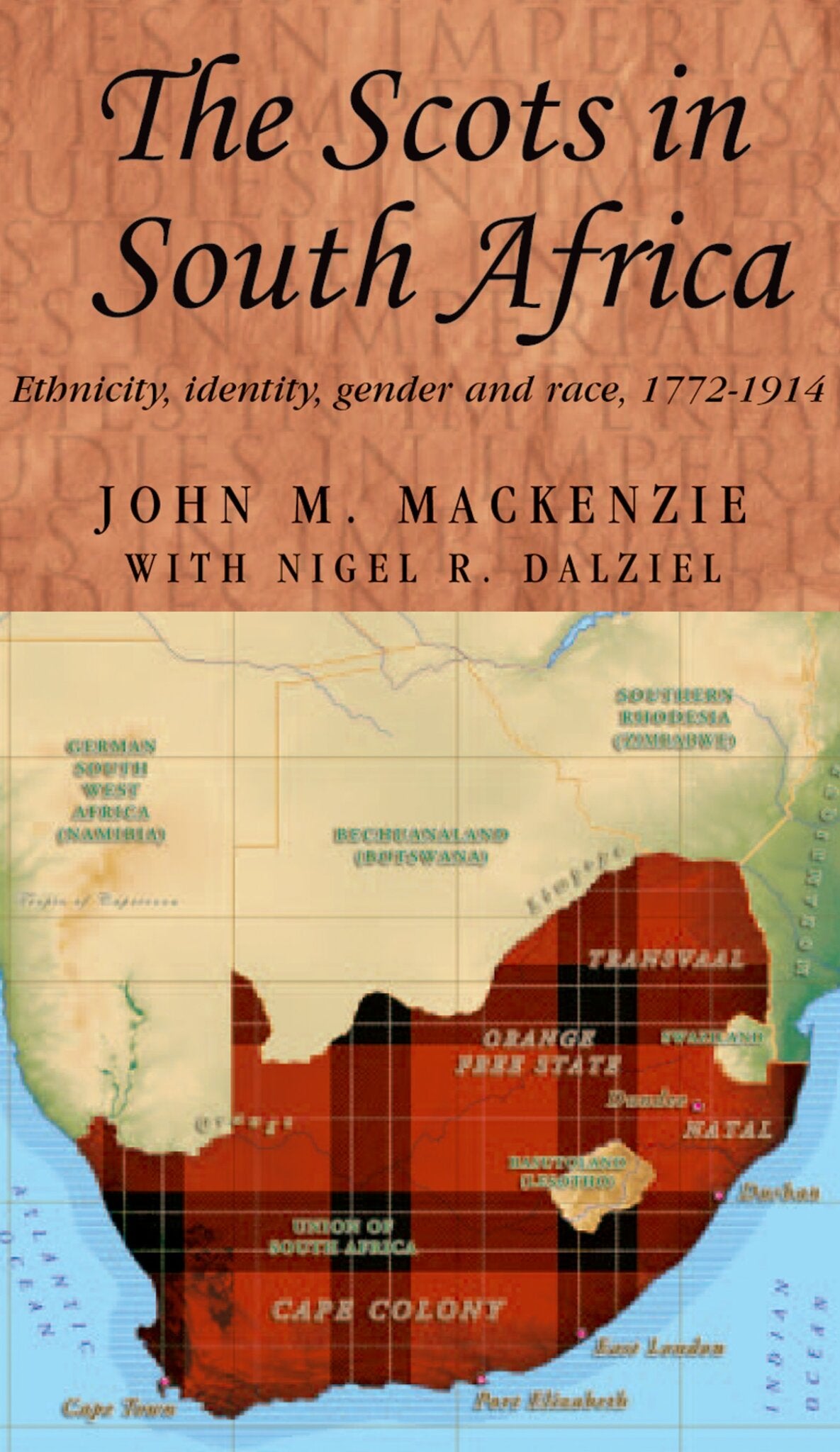
The description of South Africa as a 'rainbow nation' has always been taken to embrace the black, brown and white peoples who constitute its population. But each of these groups can be sub-divided and in the white case, the Scots have made one of the most distinctive contributions to the country's history.
Now available in paperback, this book is a full-length study of their role from the eighteenth to twentieth centuries. It highlights the interaction of Scots with African peoples, the manner in which missions and schools were credited with producing 'Black Scotsmen' and the ways in which they pursued many distinctive policies. It also deals with the inter-weaving of issues of gender, class and race as well as with the means by which Scots clung to their ethnicity through founding various social and cultural societies. This book offers a major contribution to both Scottish and South African history and in the process illuminates a significant field of the Scottish Diaspora that has so far received little attention.


1. Introduction: Imperialism and identities
2. The Scots presence at the Cape
3. Radicals, Evangelicals, the Scottish Enlightenment and Cape colonial autocracy
4. Scots missions and the frontier
5. Continuing migration to Natal, Cape and Transvaal
6. Professionals: the Church and education
7. The professionals: the environment, medicine, business, and radicals
8. Maintaining Scots identity
9. Conclusion
Index