





Some error occured while loading the Quick View. Please close the Quick View and try reloading the page.
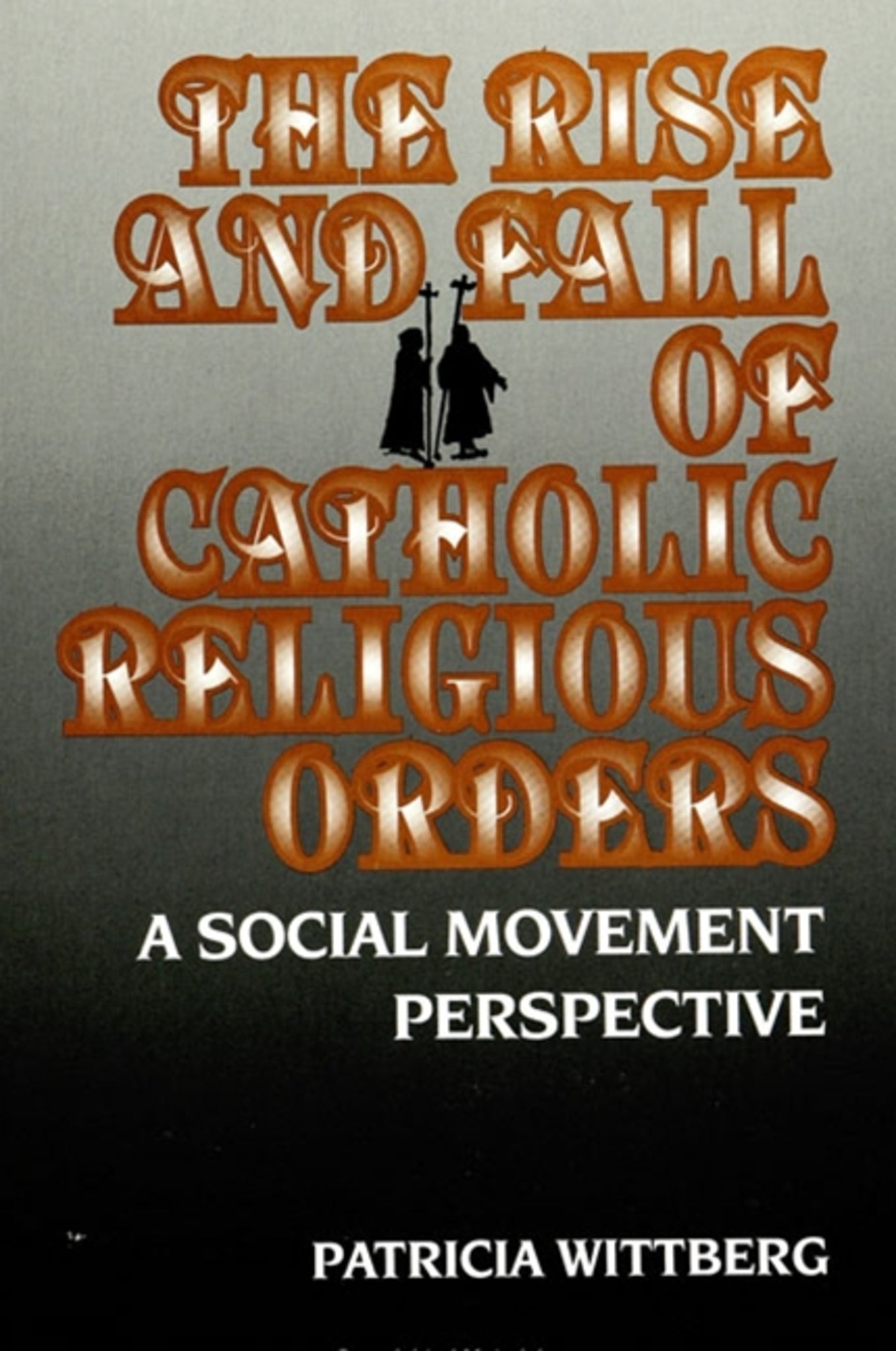
What happens when a centuries-old religious movement begins to disappear?
In this sociological study, Patricia Wittberg, S.C. confronts one of the most consequential yet understudied transformations within modern Catholicism: the dramatic rise—and startling decline—of Catholic religious orders.
Drawing on historical depth and rigorous theoretical analysis, Wittberg explores religious orders as intentional communities powered by what she calls "religious virtuosity." Why did thousands dedicate their lives to these communities? What ideological frameworks sustained them? And why have those same structures weakened so dramatically in recent decades?
Blending sociological theory with rich historical research, The Rise and Fall of Catholic Religious Orders:
· Examines the ideological foundations of Roman Catholic religious life
· Analyzes personal incentives and institutional resource mobilization
· Investigates earlier cycles of growth and decline
· Interprets contemporary collapse through the lens of movement theory
· Situates religious orders within the broader study of intentional communities
Far from offering a simple narrative of decline, Wittberg provides a sophisticated model for understanding how religious movements mobilize, sustain commitment, and ultimately lose cultural power. Her work opens new pathways for research into ideology, institutional change, and the dynamics of faith-based communities.


"It is a fine example of how to apply theoretical analysis to historical material in a way that sheds light on a contemporary social phenomenon. I have seen nothing in this genre with a similar respect for the complexities involved in the rise and decline of Catholic religious orders. This group—a sociological goldmine—has been largely ignored in the sociological analysis of intentional communes and communities. Wittberg's treatment is broad in scope, historically and theoretically, and should lead to further research on contemporary groups using the theoretical model presented here." — Loretta M. Morris, Loyola Marymount University
"Reduction in the numbers of religious order members has blockbuster consequences for the various missions of the Catholic Church. No one has written on this topic with the commanding scholarship exhibited by the author."— Patrick McNamara, University of New Mexico
Patricia Wittberg, S.C. is Assistant Professor of Sociology at Indiana University, Indianpolis.
List of Tables
Preface
1. The Extent of the Problem
Part One: Preliminary Definitions and Theoretical Background
2. Theories of Ideology
3. Roman Catholic Religious Life
Part Two: Mobilization of Religious Virtuosi
4. Personal Incentives for Membership
5. Mobilization of Resources by Religious Orders
6. Frame Alignment and Religious Virtuosity
7. Elements of Virtuoso Ideologies
8. Ideological Supports for Religious Virtuosity
9. Determinants of Ideological Change
Part Three: Perspectives on Movement Decay
10. Previous Decline Periods in Religious Orders
11. Religious Orders as Intentional Communities
Part Four: The Present Collapse
12. A Brief History of U.S. Religious Orders
13. The Collapse of Ideology, I
14. The Collapse of Ideology, II
15. The Withdrawal of Resources
16. Conclusions
Glossary
Appendix
Notes
Bibliography
Name Index
Subject Index