





Some error occured while loading the Quick View. Please close the Quick View and try reloading the page.
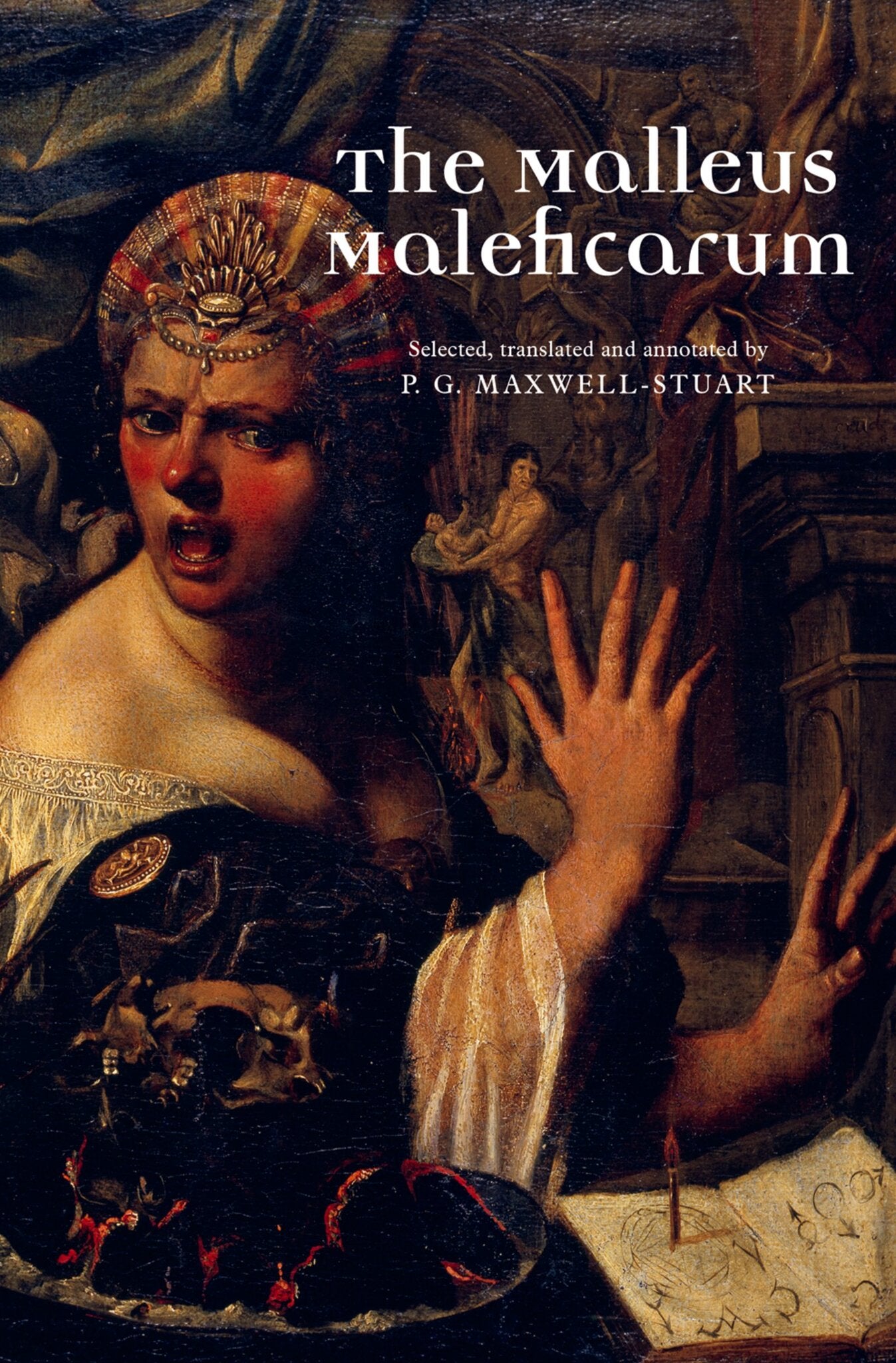
The Malleus Maleficarum is one of the best-known treatises dealing with the problem of what to do with witches. It was written in 1487 by a Dominican inquisitor, Heinrich Institoris, following his failure to prosecute a number of women for witchcraft, it is in many ways a highly personal document, full of frustration at official complacency in the face of a spiritual threat, as well as being a practical guide for law-officers who have to deal with a cunning, dangerous enemy. Combining theological discussion, illustrative anecdotes, and useful advice for those involved in suppressing witchcraft, its influence on witchcraft studies has been extensive.
The only previous translation into English, that by Montague Summers produced in 1928, is full of inaccuracies. It is written in a style almost unreadable nowadays, and is unfortunately coloured by his personal agenda. This new edited translation, with an introductory essay setting witchcraft, Institoris, and the Malleus into clear, readable English, corrects Summers’ mistakes and offers a lean, unvarnished version of what Institoris actually wrote. It will undoubtedly become the standard translation of this important and controversial late-medieval text.


'This book satisfies the suspense aroused by its long-awaited arrival. Too often the Malleus is referenced offhandedly by those who have never read it and probably never will. Now, if they choose to, they will at least have the opportunity to do so with a less biased, more accurate translation. This laudable effort at revisionist historiography in the field of witchcraft may, ironically, swing the scholarly pendulum back in the other direction, toward rationality and away from paranoid melodrama.'
Hilaire Kallendorf, Texas A&M University, Sixteenth Century Journal
Introduction
A Note on the Translation
Acknowledgements
Part I
Part II
Part III