





Some error occured while loading the Quick View. Please close the Quick View and try reloading the page.
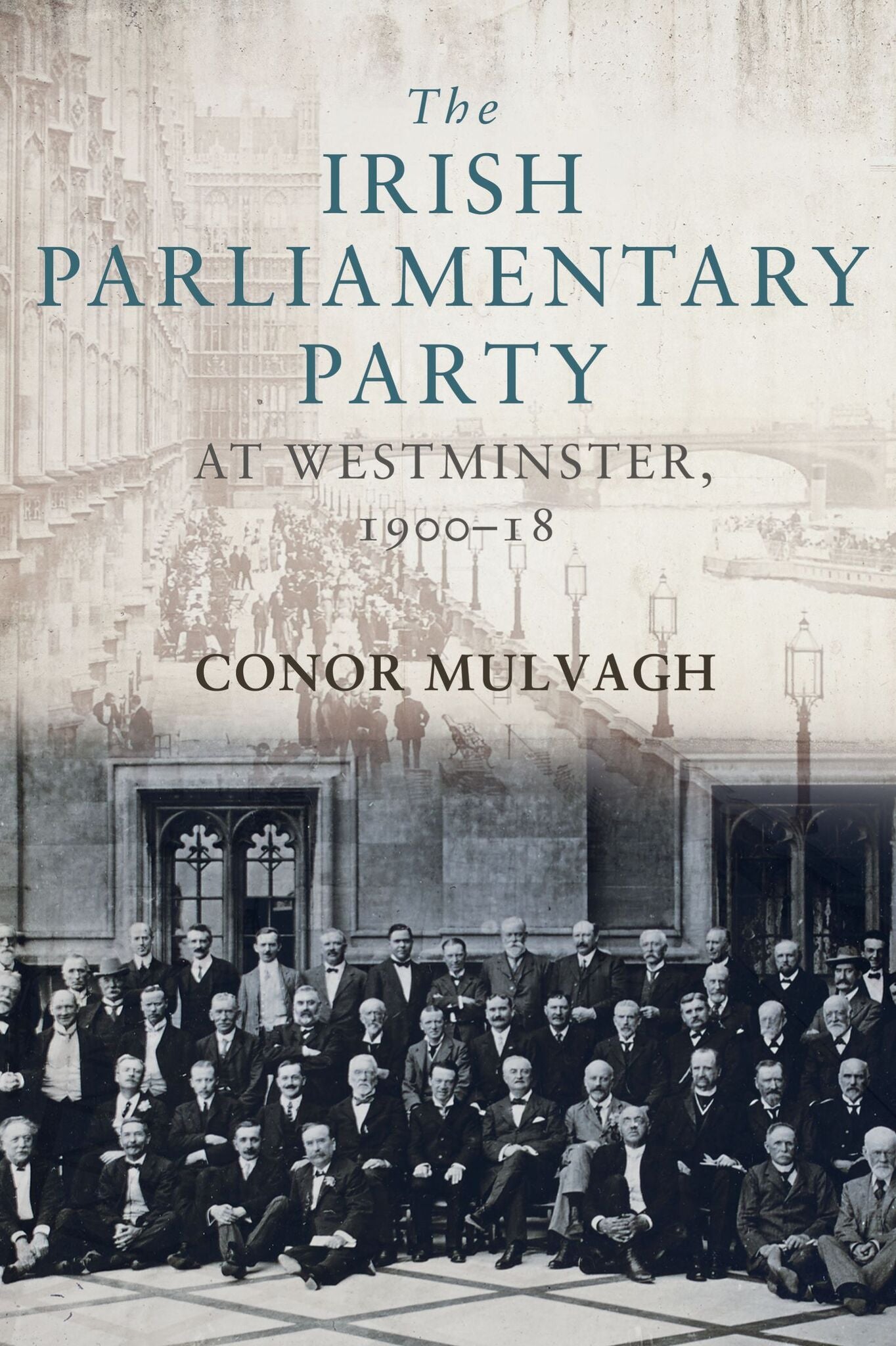
The key to understanding the emergence of the independent Irish state lies in the history of Home Rule. This book offers the most comprehensive examination to date of the Irish Parliamentary Party (IPP) at Westminster during the years of John Redmond's chairmanship, 1900-18. The IPP were both the most powerful 'third party' and the most significant parliamentary challengers of the Union in the history of the United Kingdom up until the emergence of the Scottish National Party (SNP).
These years saw the apparent triumph of the Home Rule cause when the Government of Ireland Act was signed into law in September 1914 but this false dawn led to the demise and electoral destruction of the IPP in 1918 when the party lost all but six seats to the political heirs of the 1916 Rising: Sinn Féin.


‘This is a valuable study of the inner workings of the Irish Party in its twilight years. Mulvagh has presented the clearest picture yet of the complexity of its leadership structure, set against the backdrop of a rapidly changing Ireland.’
Colin W. Reid, University of Sheffield, Parliaments, Estates and Representation, September 2018
Introduction
1. The constitutional context
2. Towards the age of the tetrarchs
3. Leadership in a Liberal era, 1906-9
4. Dragging Ireland into the spotlight, pulling Ulster from the morass, 1910-14
5. Estrangements and realignments: leadership in wartime, 1914-16
6. Rising and falling: Easter 1916 to winter 1918
7. Obstruction or interrogation? The tactics of parliamentary questions
8. Unity in division: voting and whipping in the Irish party
Conclusion