





Some error occured while loading the Quick View. Please close the Quick View and try reloading the page.
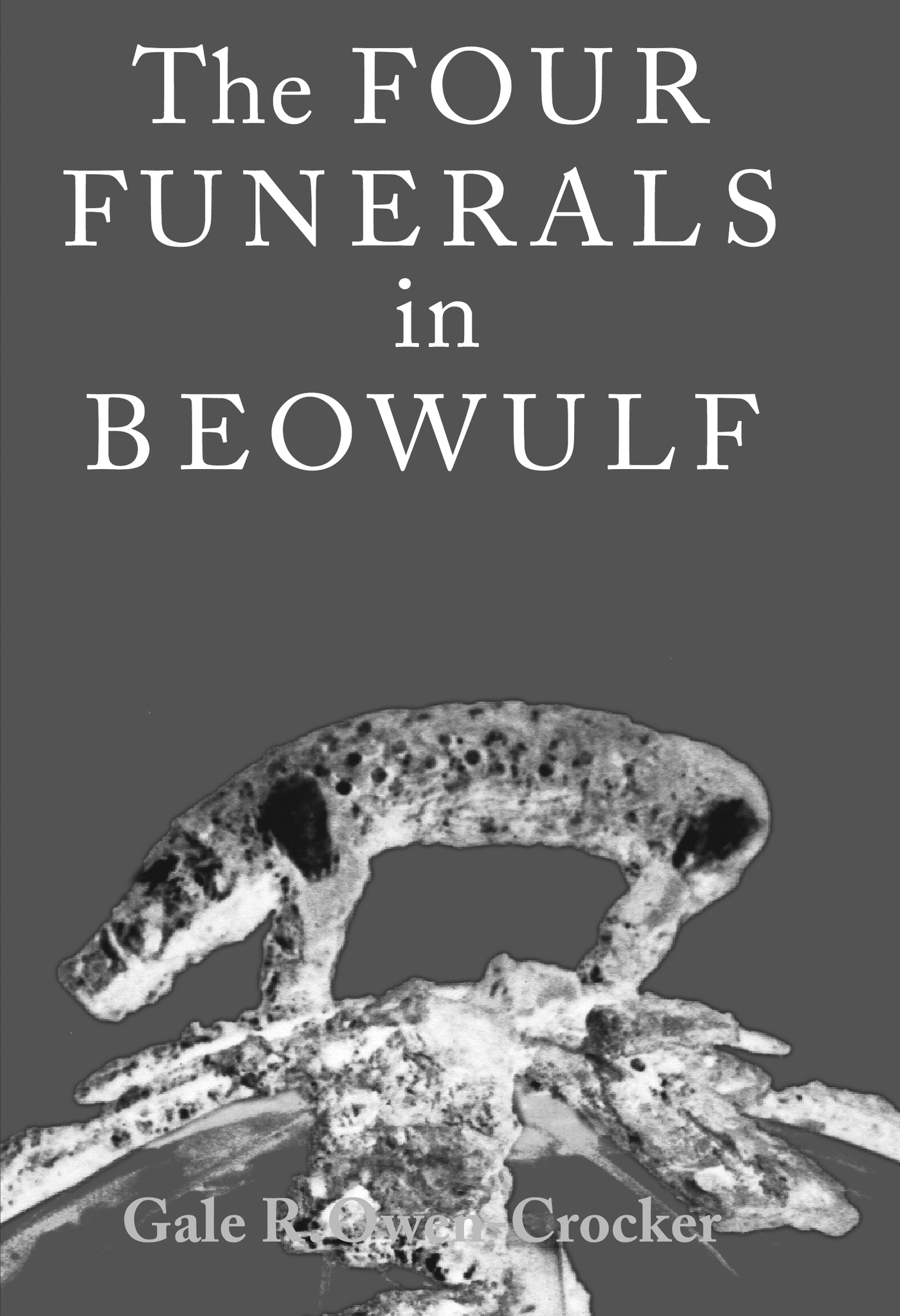
It is well known that the old English poem Beowulf begins and ends with funerals and includes the third as a digression part way through. Now, for the first time, a fourth funeral (hitherto disguised as poetic imagery) is identified from archaeological evidence. A detailed analysis of the four funerals establishes their thematic and structural importance, revealing them as pillars around which the poem is built. The poet is revealed as a literate antiquarian of considerable structural skill; one who explores feminist issues, plays with numbers and enjoys a pun; who establishes an ideal then probes its darker side.
The author's unique knowledge of Anglo-Saxon culture provides constant surprises and enlightenment. This book will be invaluable to all students of the poem for its fresh and detailed reading, its identification of a coherent structure and its establishment of the integrity of the surviving texts.


1. Introduction
Part I - the Four Funerals
2. The first funeral: Scyld Scefing's Ship of Death
3. The second funeral: the cremation of Hildeburg's kin
4. The third funeral: the Last Survivor's Lament
5. The fourth funeral: Beowulf's complex obsequies
6. Classicising the past
Part II - The Funerals and the Structure of the Poem
7. Rings and fitts
8. The funerals and elliptical structures I: the inner funerals as frames
9. The funerals and elliptical structures II: the outer structures
10. The funerals and elliptical structures III: the funerals as centres
11. Three movements and a coda: Beowulf's femininst middle
Conclusions