





Some error occured while loading the Quick View. Please close the Quick View and try reloading the page.
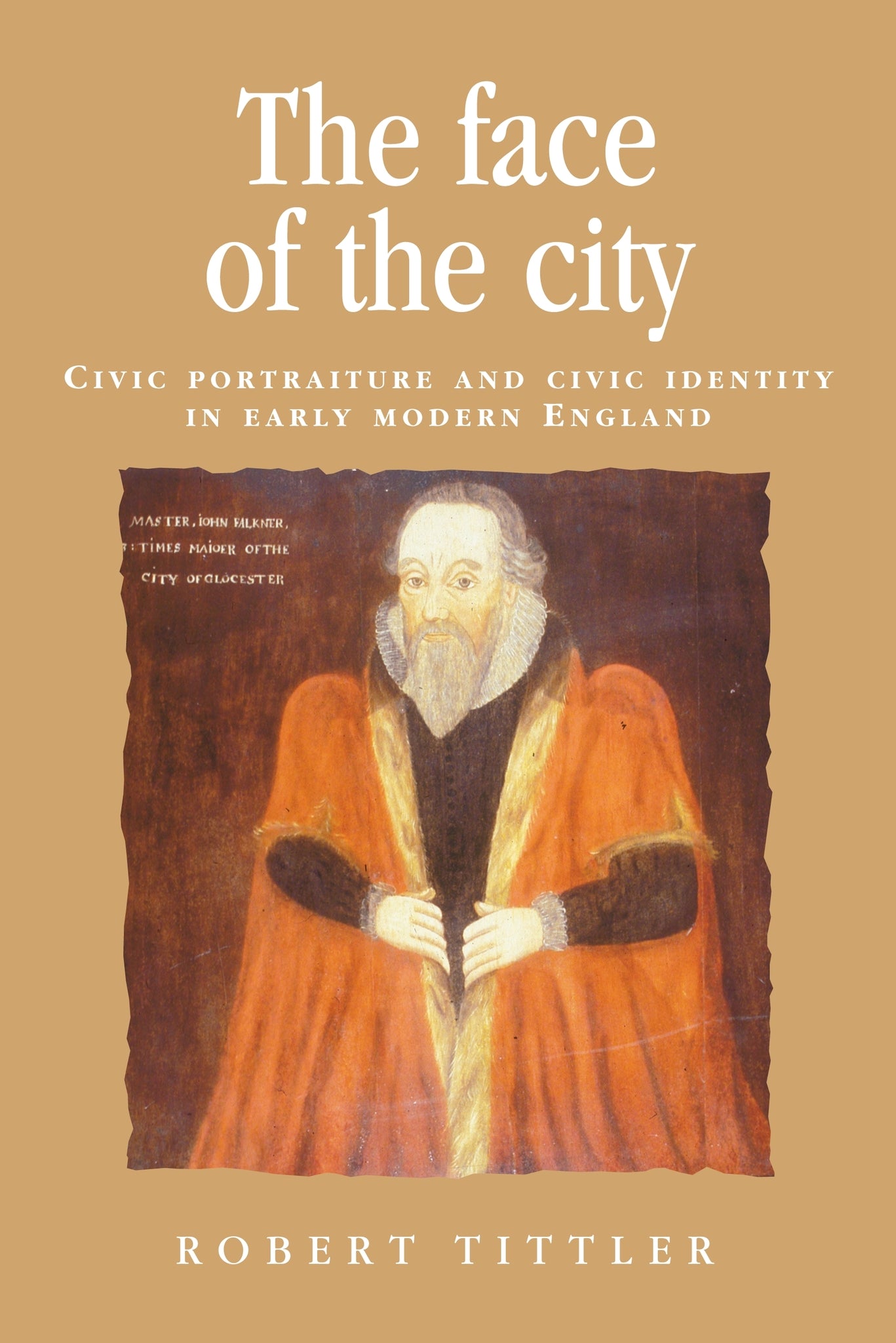
Our conventional understanding of English portraiture from the age of Holbein and Henry VIII on to Reubens, VanDyck and Charles I clings to the mainstream images of royalty and aristocracy and to the succession of known practitioners of 'Renaissance' portraiture.
In almost every respect, the 'civic' portraits examined here stand in sharp contrast to these traditional narratives. Depicting mayors and aldermen, livery company masters, school and college heads, they were meant to be read as statements about the civic leaders and civic institutions rather than about the sitters in their own right. Displayed in civic premises rather than country homes, exemplifying civic rather than personal virtues, and usually commissioned by institutions rather than their sitters, they have yet to be considered as a type of their own, or in their appropriate social and political context.
This fascinating work will appeal to both art historians and historians of early modern Britain.


Preface
Introduction
1. The formation of English portrait traditions
2. The evidence: Patrons and venues
3. Painters
4. Timing and circumstances
5. Content and meaning
6. Audience and display
7. Conclusion
Appendices
A. Civic portraits painted or acquired, 1500–1640
B. The cost of paintings, 1500–1640
Bibliography
Index