





Some error occured while loading the Quick View. Please close the Quick View and try reloading the page.
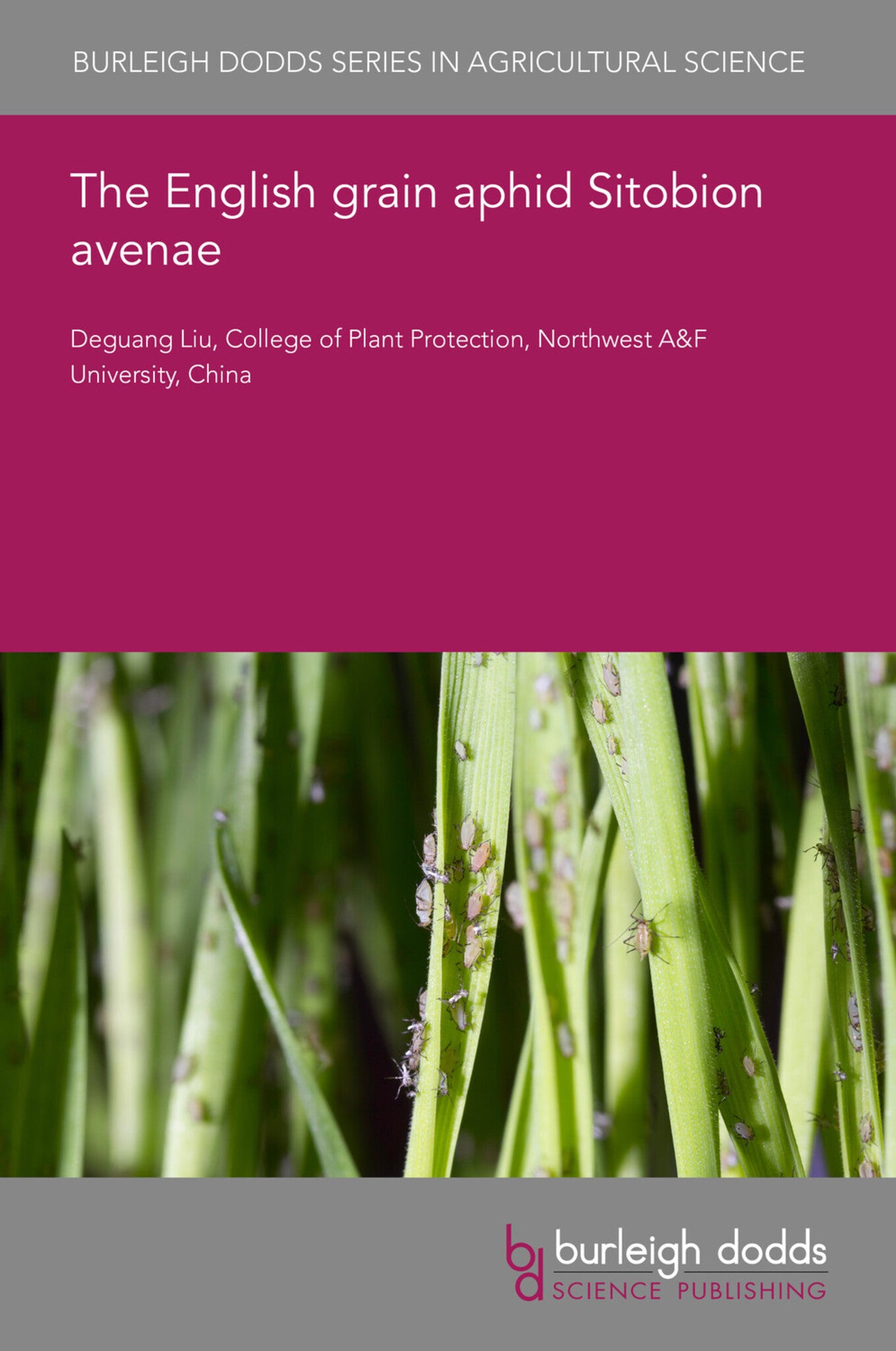
The English grain aphid, Sitobion avenae (Fabricius), is an economically important insect pest on cereal crops worldwide. Damage by this aphid can be destructive for cereal crops due to its ability to transmit yellow dwarf viruses, and its control often relies on routine application of synthetic pesticides. Here we review advances in exploring ecological factors affecting its population expansion, dispersal, divergence and adaptive evolution, with focuses on temperature, water, and host plants. We also discuss options for its integrated management. The control of this aphid is facing increasing challenges, such as the emergence of insecticide resistance, rapid development of adaptive clones in changing environments, slow progress in resistant plant breeding, discovery of variable biotypes, and climate change. Effective management of this aphid in the future may require efforts stepping up the development of new resistant varieties with modern biotechnology, and augmentation of biological control by natural enemies through cultural measures.


- 1 Introduction
- 2 Distribution and economic importance
- 3 Factors affecting population growth and spread
- 4 Host plants
- 5 Biotype development
- 6 Options for integrated management
- 7 Future trends in research
- 8 Where to look for further information
- 9 Acknowledgements
- 10 References