





Some error occured while loading the Quick View. Please close the Quick View and try reloading the page.
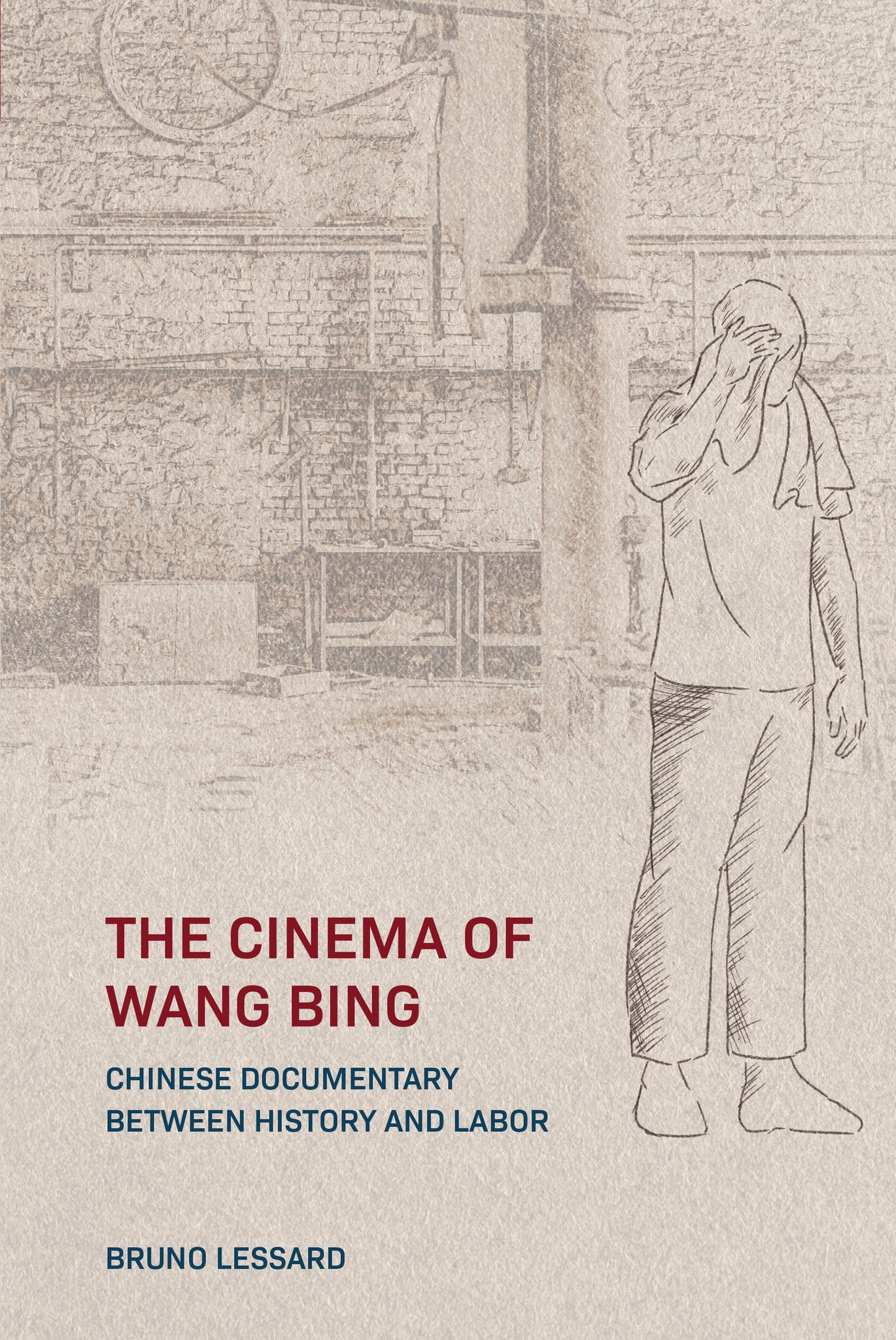
Having made documentary films screened at the most prestigious film festivals in the West, Chinese documentary filmmaker Wang Bing presents a unique case of independent filmmaking. In The Cinema of Wang Bing, Bruno Lessard examines the documentarian’s most important films, focusing on the two obsessions at the heart of his oeuvre—the legacy of Maoist China in the present and the transformation of labor since China’s entry into the market economy—and how the crucial figures of survivor and worker are represented on screen. Bruno Lessard argues that Wang Bing is a minjian (grassroots) intellectual whose films document the impact of Mao’s Great Leap Forward on Chinese collective memory and register the repercussions of China’s turn to neoliberalism on workers in the post-Reform era. Bringing together Chinese documentary studies and China studies, the author shows how Wang Bing’s practice reflects the minjian ethos when documenting the survivors of the Great Famine and those who have not benefitted from China’s neoliberal policies—from laid-off workers to migrant workers. The films discussed include some of Wang Bing’s most celebrated works such as West of the Tracks and Dead Souls, as well as neglected documentaries such as Coal Money and Bitter Money.

Price: £37.00
Pages: 188
Publisher: Hong Kong University Press
Imprint: Hong Kong University Press
Publication Date:
06 February 2024
Trim Size: 9.00 X 6.00 in
ISBN: 9789888805778
Format: Hardcover
BISACs:

“Bruno Lessard analyzes Wang Bing’s documentary masterpieces through the twin lens of history and labor. Incisively framing them as a sustained critical intervention in how China understands itself through the legacy of Maoism and Deng Xiaoping’s neoliberal reform project, The Cinema of Wang Bing makes me want to watch the films again.”
—Chris Berry, King’s College London