





Some error occured while loading the Quick View. Please close the Quick View and try reloading the page.
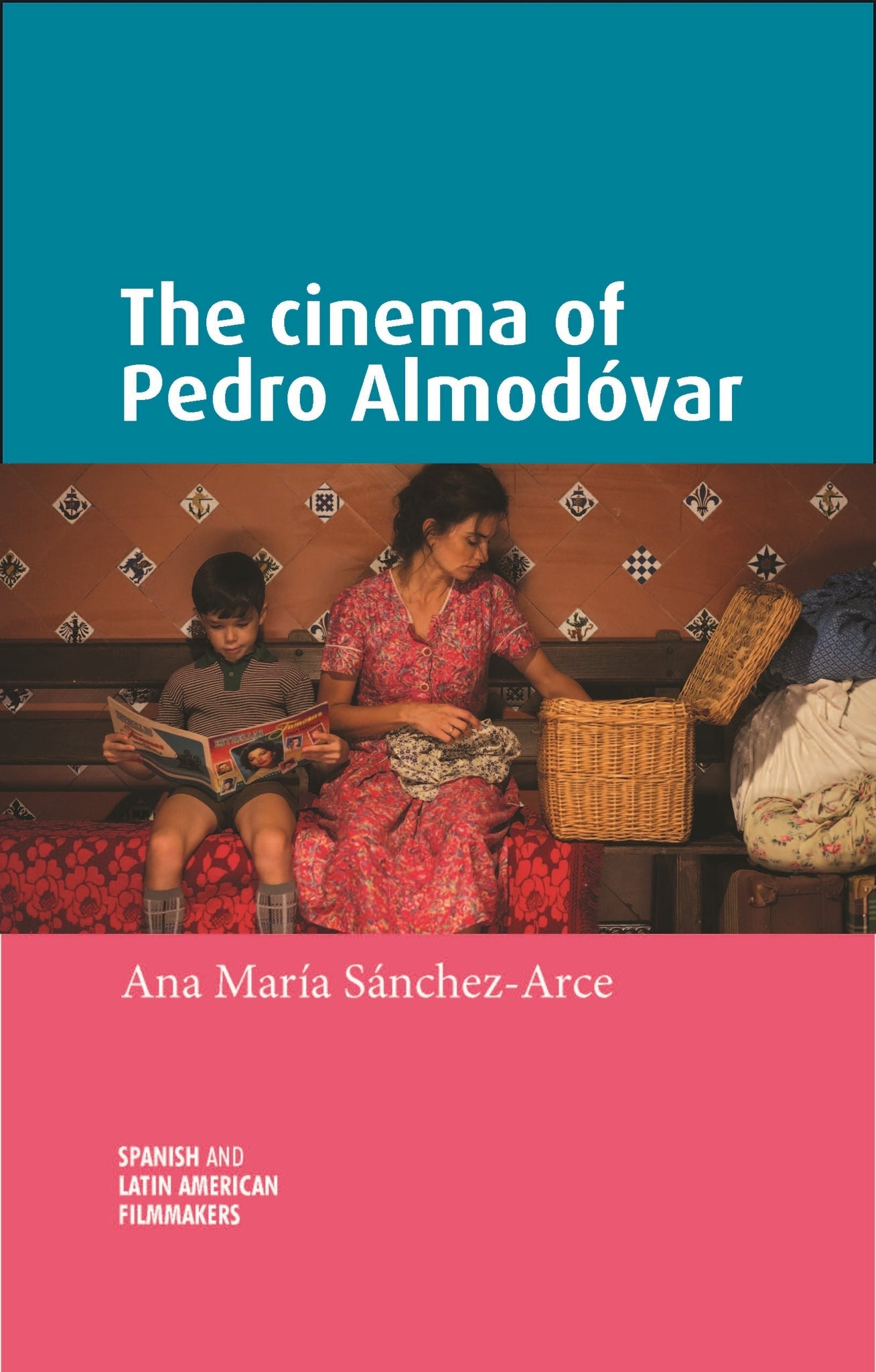


'Sánchez-Arce adds significantly to understanding of Almodóvar with these insightful close readings of his features—readings that employ a methodology blending feminism and formalism while situating the films in appropriate sociopolitical and historical contexts.'
CHOICE
‘The cinema of Pedro Almodóvar successfully manages the difficult task of finding new things to say about an auteur who has been widely written about and studied.’
Dolores Tierney, Studies in Spanish and Latin American Cinemas
“The cinema of Pedro Almodovar” is an intelligent, thoroughly researched study of all the films up to “Dolor y Gloria” (Pain and Glory, 2019), showing them to be nuanced and political reflections on a reckoning with Franco.' The Prisma
Introduction
1 The early films: Pepi, Luci, Bom y otras chicas del montón and Laberinto de pasiones
2 Kicking the habit: Entre tinieblas
3 High windows and ugly aesthetics: ¿Qué he hecho yo para merecer esto?
4 Faking Spain: Matador
5 Other voices, other stories: La ley del deseo
6 Pure theatre: Mujeres al borde de un ataque de nervios
7 On the verge of a genre breakdown: ¡Átame!, Tacones lejanos and Kika
8 The end of romance: La flor de mi secreto
9 Circle lines and memory work: Carne trémula
10 Remembering children: Todo sobre mi madre
11 Still lives: Hable con ella
12 Faking memory: La mala educación
13 Motherlands: Volver
14 Archaeology in the dark: Los abrazos rotos
15 Visual seduction: La piel que habito
16 'Crisis cinema': Los amantes pasajeros and Julieta
Afterword: Dolor y gloria
Filmography
References
Index