





Some error occured while loading the Quick View. Please close the Quick View and try reloading the page.
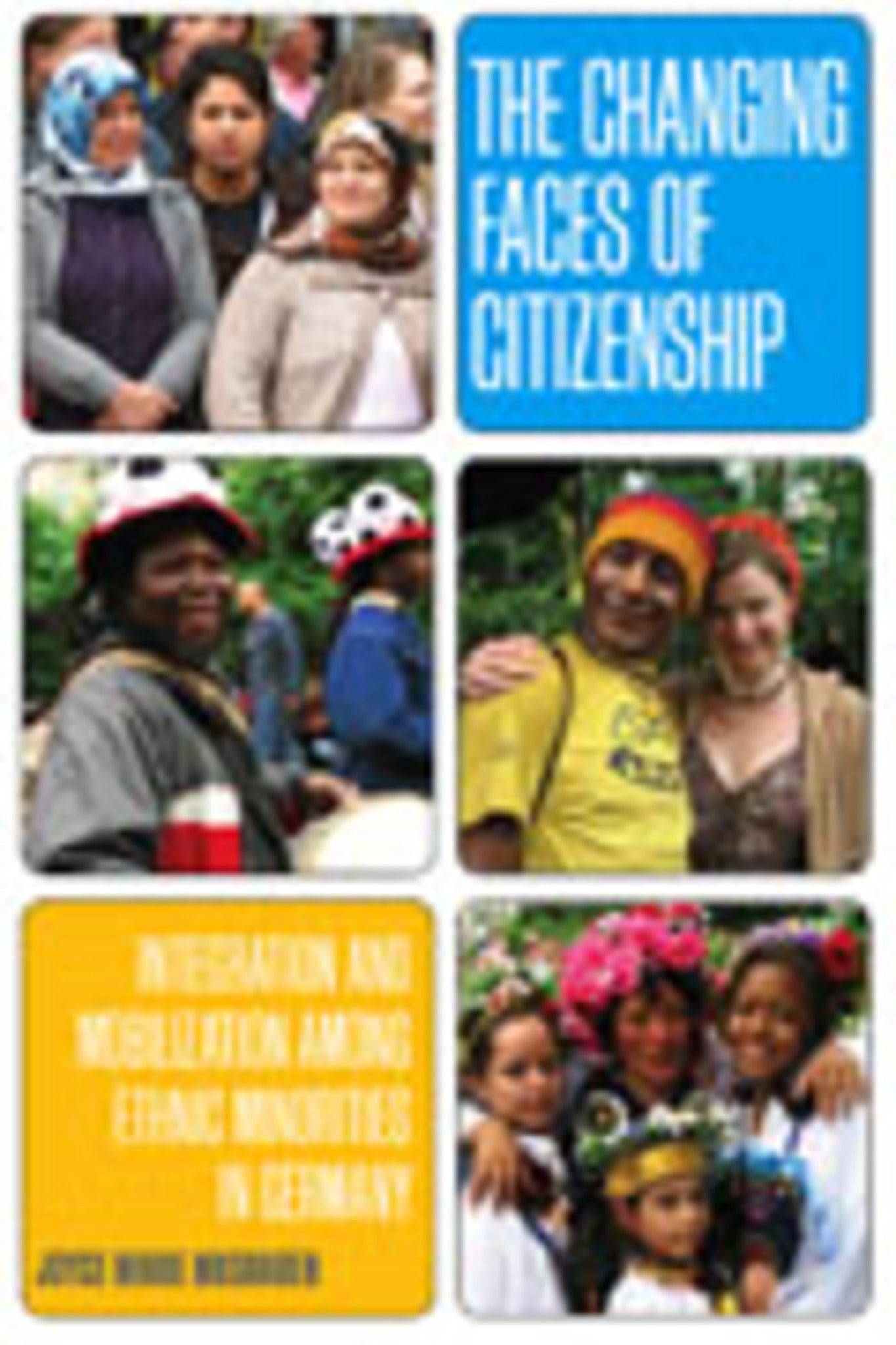
In contrast to most migration studies that focus on specific “foreigner” groups in Germany, this study simultaneously compares and contrasts the legal, political, social, and economic opportunity structures facing diverse categories of the ethnic minorities who have settled in the country since the 1950s. It reveals the contradictory, and usually self-defeating, nature of German policies intended to keep “migrants” out—allegedly in order to preserve a German Leitkultur (with which very few of its own citizens still identify). The main barriers to effective integration—and socioeconomic revitalization in general—sooner lie in the country’s obsolete labor market regulations and bureaucratic procedures. Drawing on local case studies, personal interviews, and national surveys, the author describes “the human faces” behind official citizenship and integration practices in Germany, and in doing so demonstrates that average citizens are much more multi-cultural than they realize.


“Mushaben’s major contribution to our understanding of migration and settlement, and of Germany as a country that contains diasporas, is that she has brought together the enormous literatures regarding Germany’s admission and absorption of the very different migrant population which have most often been studied individually.” · Diaspora
Tables and Figures
Acknowledgements
Introduction: Explaining the Paradigm Shift in German Citizenship Law
- German Citizenship in Transition
- Theoretical and Empirical Parameters of the Study
- Methodological Framework(s)
Chapter 1. Citizenship, Nationality, Identity: Community Interfacing Reconsidered
- Demographics, Globalization, and Competitiveness
- Concepts of Incorporation
- Thinking Globally, Integrating Locally
- Paradigm Shifts: Citizenship Reform, 1999-2004
- The Argument: Citizenship Equals ???
Chapter 2. The Invisible Man (and Woman): Permanently Provisional Guestworkers
- Labor Recruitment and the Economic Miracle of the 1960s
- Family Unification and the Myth of Return in the 1970s
- From Ausländer to Inländer: Generational Dynamics of the 1980s and 1990s
- Missing Links: Gender and Generational Change
- Dual Nationality or Divided Identities?
Chapter 3. Blood versus Birthplace: German "Resettlers"
- The Right of Return: Integration Successes of the 1950s and 1960s
- Peaceful Coexistence : Eastern Resettlers of the 1970s and 1980s
- Post-Soviet "Others": Integration Failures of the 1990s
- Female "Birds of Passage": Dequalification and Redomestication
- A Lost Generation: Aussiedler Youth
- You can never go home again and Other Identity Conundrums
Chapter 4. Changing Places, Temporary Faces: Religion, Refugees and Diasporas
- Political Legacies, Contingency Refugees and "Little Asylum"
- Jewish Quota
- Refugees as Honorary Germans
- Bosnians, Kosovars and "Temporary" Asylum
- Fundamentalism and Islamic Diaspora Communities
- The Taliban Effect: Addressing Gender-Specific Persecution
- The Integration of Permanently "Provisional" Refugees
Chapter 5. Learning-by-Doing: Ethnic Enclaves in Berlin
- Cultivating the Ethnic Economy in Modell Deutschland
- Turkish Delight: From Guest to Gourmet in the Döner-Capital
- Self-Made Men: Success Stories of the "One-and-a-Half" Generation
- Self-Made Women: Building a Room-of-their-Own in Berlin
- Leaving La Dolce Vita: Italian Workers and their Discontents
- From Bakers to Breadwinners: Italian Women
- How Transnational Italians Tamed the Toscana-Faction
- Mobility without Migration: Polish Grenzgänger as the New Guestworkers
- Parallel Societies: Poles in Berlin
- Mixed Embeddedness: Urban Citizenship through Economic Integration
Chapter 6. Chicken or Egg? Political Participation and Social Integration
- Social Capital and (Self-)Interest Organizations
- Cross-Border Comparisons and "Best Practices"
- The Netherlands
- Britain, Sweden and Denmark
- Do-It-Yourself Political Mobilization
- Activist Faces in Intercultural Spaces
- Integration through Participation: Citizenship at Last!
- To be or not to be German?
- Youth Identification
- Claims-Making and EU Citizenship: Rights without Representation
Chapter 7. Multiculturalism for a New Millennium: Citizenship with a Human Face
- The Quality of Life in Multi-Cultural Cities: Best Practices
- Putting the "R" back into Integration: Islam in the City
- Educating for Citizenship: Islam in the Classroom
- Religious Veil or Political Smokescreen? The Headscarf Debate
- It’s a generational thing!
- It’s a gender thing!
- It’s a German identity thing!
- Re-assessing the Democratic Deficit in Europe
Conclusion: Beyond Repressive Tolerance
Appendix: Interview Partners
Bibliography
Index