





Some error occured while loading the Quick View. Please close the Quick View and try reloading the page.
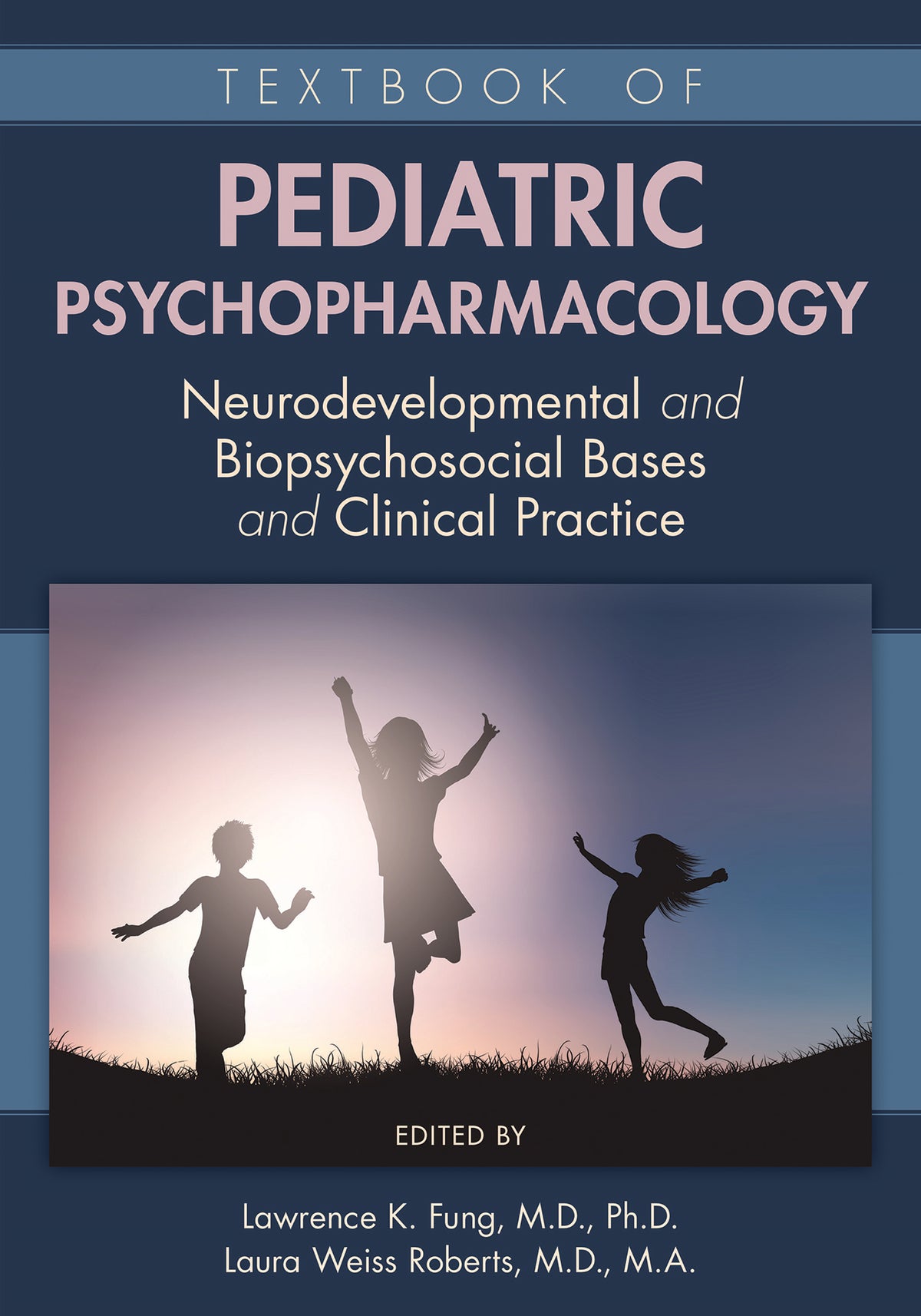
Although advances in neuroscience have dramatically reshaped knowledge about psychiatric medications in children and adolescents, the textbooks available to clinicians have—until now—failed to keep pace, forcing readers to choose between resources devoted to neurobiological mechanisms or those focused on clinical application. Textbook of Pediatric Psychopharmacology: Neurodevelopmental and Biopsychosocial Bases and Clinical Practice closes that divide, offering researchers, clinicians, and trainees a single resource that bridges molecular science and the human realities of clinical care.
Across 70 chapters, this textbook covers the molecular pharmacology of every major psychotropic class and the psychosocial and cultural factors that shape the outcomes that matter most to young patients and their families. Condition-specific sections provide evidence-based guidance on assessment and treatment across the full range of pediatric psychiatric presentations, from ADHD and autism to mood, anxiety, eating, and substance-related disorders.
The authors also look beyond conventional pharmacology to emerging treatments—including psychedelics and endocannabinoid modulators—that are gaining momentum in psychiatric research and practice. Dedicated sections address populations that standard texts often overlook, such as medically ill children, adolescents with intellectual disability, pregnant and postpartum teens, and youth with gender-incongruent experiences.
Drawing on the expertise of dozens of contributors from research, clinical practice, and lived experience across institutions and disciplines, Textbook of Pediatric Psychopharmacology reflects not only the current state of scientific knowledge but also the nuances, uncertainties, and ongoing debates that characterize the field. Yet the focus throughout returns to the same place: the children and adolescents being cared for and the profession's responsibility to get it right.


Lawrence K. Fung, M.D., Ph.D., is Associate Professor of Psychiatry and Behavioral Sciences at Stanford University School of Medicine, Palo Alto, California.
Laura Weiss Roberts, M.D., M.A., is Professor and Chairman, Department of Psychiatry and Behavioral Sciences, at Stanford University School of Medicine, Stanford, California.
Chapter 1. Improving Quality of Life through Psychopharmacology and Psychosocial Considerations
Chapter 2. The Biopsychosocial Model Fung
Chapter 3. Ethics of Pediatric Psychopharmacology
Chapter 4. Neurodivergence and Psychopharmacology
Chapter 5. Trajectories of Human Brain Development
Chapter 6. Developmental Principles of Pharmacokinetics
Chapter 7. Pharmacogenetics
Chapter 8. Genetics of Neurodevelopmental Conditions—Attention-Deficit/Hyperactivity Disorder, Autism Spectrum Disorder, Intellectual Disability, and Tourette Syndrome
Chapter 9. Genetics and Developmental Neurobiology of Schizophrenia Spectrum and Other Psychotic Disorders
Chapter 10. Genetics and Developmental Neurobiology of Mood Disorders: A Clinical Perspective
Chapter 11. Developmental Neurobiology of Anxiety and Obsessive-Compulsive Disorders
Chapter 12. Genetics of Feeding and Eating Disorders
Chapter 13. Genetics and Developmental Neurobiology of Elimination Disorders
Chapter 14. Genetics and Developmental Neurobiology of Sleep-Wake Disorders
Chapter 15. Genetics and Developmental Neurobiology of Disruptive and Impulse-Control Disorders
Chapter 16. Genetics and Developmental Neurobiology of Substance Use Disorders
Chapter 17. Molecular and Clinical Pharmacology of Psychostimulants
Chapter 18. Molecular and Clinical Pharmacology of 2-Adrenergic Agonists
Chapter 19. Clinical Pharmacology of Serotonin-Norepinephrine Reuptake Inhibitors
Chapter 20. Clinical Pharmacology of Selective Serotonin Reuptake Inhibitors
Chapter 21. Molecular and Clinical Pharmacology of Selective Norepinephrine Reuptake Inhibitors
Chapter 22. Molecular and Clinical Pharmacology of Histaminergic Agents
Chapter 23. Clinical Pharmacology of Tricyclic Antidepressants in Children and Adolescents
Chapter 24. Molecular and Clinical Pharmacology of Atypical Antipsychotics
Chapter 25. Molecular and Clinical Pharmacology of GABAergic Drugs
Chapter 26. Clinical and Molecular Pharmacology of Mood Stabilizers
Chapter 27. Molecular and Clinical Pharmacology of Glutaminergic Agents
Chapter 28. Molecular and Clinical Pharmacology of Endocannabinoids
Chapter 29. Molecular and Clinical Pharmacology of Psychedelics
Chapter 30. Common Factors and Non-pharmaceutical Aspects of Pediatric Pharmacotherapy
Chapter 31. Placebo Effects in Optimizing Pedriatic Psychopharmacology
Chapter 32. Combining Pharmacotherapy and Psychotherapy in Children and Adolescents
Chapter 33. Family Engagement in Pediatric Psyychopharmacology
Chapter 34. Cultural Diversity Considerations in the Practice of Pediatric Psychopharmacology
Chapter 35. The Art and Science of Psychoeducation
Chapter 36. Psychiatric Evaluation in Pediatric Psychopharmacology
Chapter 37. Running a Pediatric Psychopharmacology Clinic – Guidance and Perspectives
Chapter 38. Assessments of Attention-Decit Hyperactivity Disorder in Children and Adolescents
Chapter 39. Assessments of Autism in Children and Adolescents
Chapter 40. Assessments of Tourette Syndrome and Other Tic Disorders in Children and Adolescents
Chapter 41. Assessments of Childhood and Early-Onset Schizophrenia Spectrum Disorders
Chapter 42. Assessments of Mood Disorders in Children and Adolescents
Chapter 43. Assessment of Anxiety, Obsessive-Compulsive Disorders, and Trauma-Related Disorders in Youth
Chapter 44. Assessments of Feeding and Eating Disorders in Children and Adolescents
Chapter 45. Assessments of Elimination Disorders in Children and Adolescents
Chapter 46. Assessment of Sleep-Wake Disorders
Chapter 47. Assessment of Disruptive, Impulse-Control, and Conflict Disorders in Children and Adolescents
Chapter 48. Assessments of Substance-Related and Addictive Disorders
Chapter 49. Principles of Starting, Titrating, and Stopping Psychotropic Agents in Children and Adolescents with Psychiatric Conditions
Chapter 50. Off-Label Use of Psychotropic Agents in Children and Adolescents
Chapter 51. Working with the Children, Adolescents, Parents, and Families in Various Stages of Medication Management
Chapter 52. Collaborating with Other Mental Health Providers in the Mental Health Care of Children and Adolescents with Psychiatric Conditions
Chapter 53. Electroconvulsive Therapy in Child and Adolescent Psychiatry
Chapter 54. Transcranial Magnetic Stimulation in Child and Adolescent Psychiatry
Chapter 55. Deep Brain and Vagus Nerve Stimulation in Child and Adolescent Psychiatry
Chapter 56. Pharmacologic Treatments of Attention-Decit Hyperactivity Disorder in Children and Adolescents
Chapter 57. Pharmacologic Treatments in Children and Adolescents on the Autism Spectrum
Chapter 58. Pharmacologic Treatments of Tourette Syndrome and Other Tic Disorders in Children and Adolescents
Chapter 59. Pharmacologic Treatments of Childhood and Early-Onset Schizophrenia
Chapter 60. Pharmacologic Treatments of Mood Disorders in Children and Adolescents
Chapter 61. Pharmacologic Treatments of Anxiety Disorders, Trauma- or Stressor-Related Disorders, and Obsessive-Compulsive and Related Disorders in Children and Adolescents
Chapter 62. Pharmacologic Treatments of Feeding and Eating Disorders in Children and Adolescents
Chapter 63. Pharmacologic Treatments of Elimination Disorders in Children and Adolescents
Chapter 64. Pharmacologic Management of Sleep-Wake Disorders in Children and Adolescents
Chapter 65. Pharmacologic Treatments of Substance-Related and Addictive Disorders
Chapter 66. Assessments of Psychiatric Conditions in Individuals with Intellectual Disability
Chapter 67. Pharmacologic Treatments of Psychiatric Conditions in Individuals with Intellectual Disability
Chapter 68. Assessments of Psychiatric Conditions in Children and Adolescents with Gender-Incongruent Experiences
Chapter 69. Considerations for Psychiatric Evaluation and Treatment in Pregnant and Postpartum Adolescents
Chapter 70. Assessment and Treatment of Psychiatric Conditions in Medically Ill Children and Adolescents