





Some error occured while loading the Quick View. Please close the Quick View and try reloading the page.
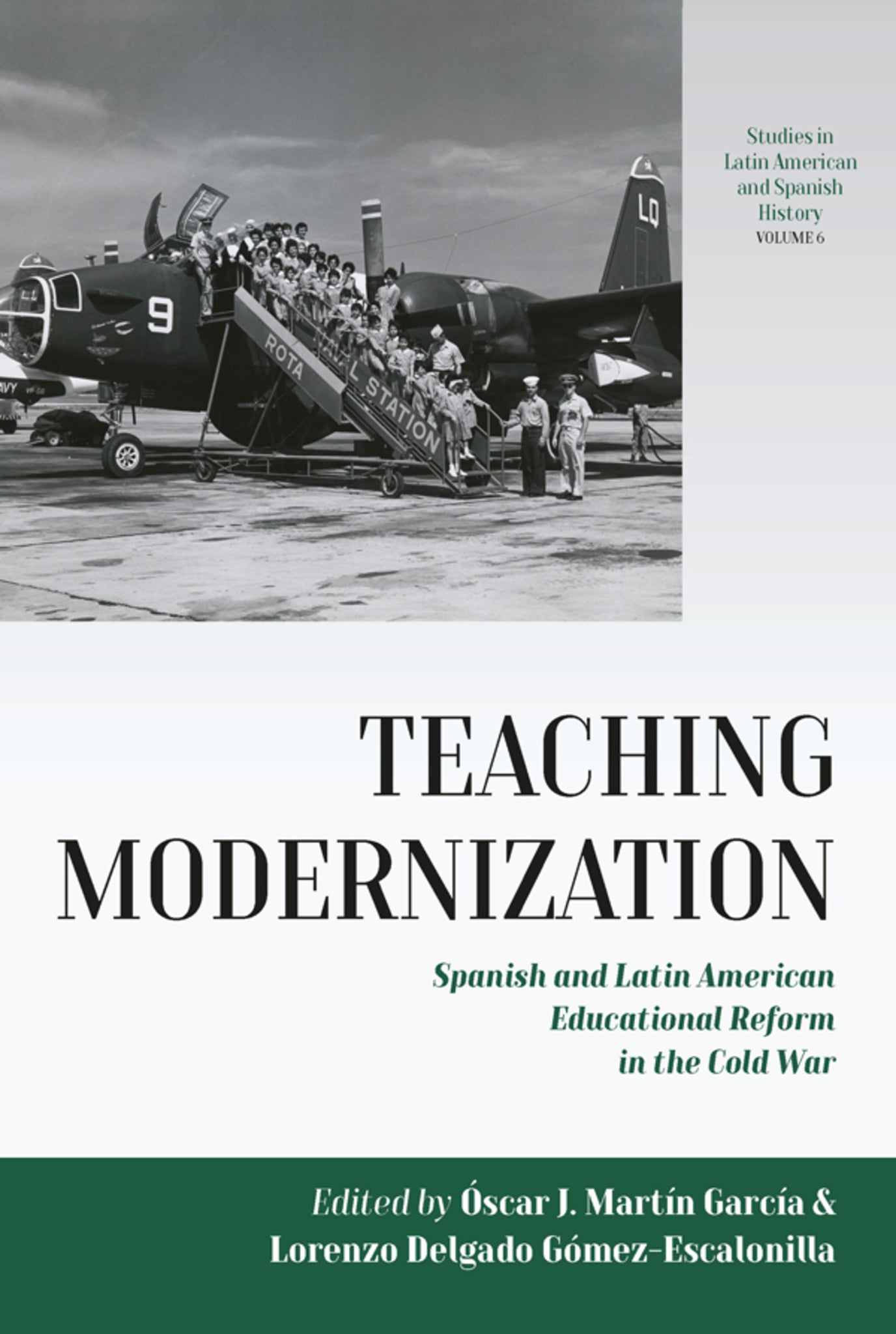
In the 1960s and 1970s, the educational systems in Spain and Latin America underwent comprehensive and ambitious reforms that took place amid a "revolution of expectations" arising from decolonization, global student protests, and the antagonism between capitalist and communist models of development. Deploying new archival research and innovative perspectives, the contributions to this volume examine the influence of transnational forces during the cultural Cold War. They shed new light on the roles played by the United States, non-state actors, international organizations and theories of modernization and human capital in educational reform efforts in the developing Hispanic world.


“Teaching Modernization fills a gap in Cold War scholarship by examining the impact of US modernization theory and developmentalist thinking on educational reform in Hispanic countries. The coherent contributions to this volume, based on thorough research and new archival material, give original accounts of the intricacies of US intellectual, political and financial support for educational reform.” • Tobias Rupprecht, University of Exeter
“This interesting study provides an in-depth analysis of educational reform in Spain and Latin America by interpreting educational reform within the wider context of modernization during the 1950s and 1960s. In particular, it traces the efforts of the United States to promote global policies that would lead to economic growth, social stability, and a rejection of communist alternatives.” • Giles Scott-Smith, Leiden University
Chapter 1: Educational Reform, Modernization and Development: A Cold War Transnational Process
Óscar J. Martín García and Lorenzo Delgado Gómez-Escalonilla
Chapter 2. U.S. Assistance to Educational Reform in Spain: Soft Power in Exchange for Military Bases
Lorenzo Delgado Gómez-Escalonilla and Patricia de la Hoz Pascua
Chapter 3. Forerunners of Change? The Ford Foundation’s Activities in Francoist Spain
Francisco Rodríguez-Jiménez
Chapter 4. Educational Transfer and Local Actors: International Intervention in Spain during the late Franco Period
Mariano González-Delgado and Tamar Groves
Chapter 5. Much Ado about Nothing? Lights and Shadows of the World Bank’s Support of Spanish Aspirations to Educational Modernization (1968–1972)
David Corrales Morales
Chapter 6. US Foreign Policy toward Spanish Students. Youth Diplomacy, Modernization and Educational Reform
Óscar J. Martín García
Chapter 7. How a Cold War Education Project Backfired: Modernization Theory, the Alliance for Progress and the 1968 Education Reform in El Salvador
Héctor Lindo-Fuentes
Chapter 8. “Passing Through a Critical Moment”: The United States and Brazilian University Reform in the 1960s
Colin M. Snider
Chapter 9. Between the Eagle and the Condor: The Ford Foundation and the Modernization of the University of Chile, 1965–1975
Fernando Quesada
Chapter 10. Between Modernization and University Reform (1957–1973): Technical Assistance from UNESCO to the University of Concepción
Anabella Abarzúa Cutroni