




Some error occured while loading the Quick View. Please close the Quick View and try reloading the page.
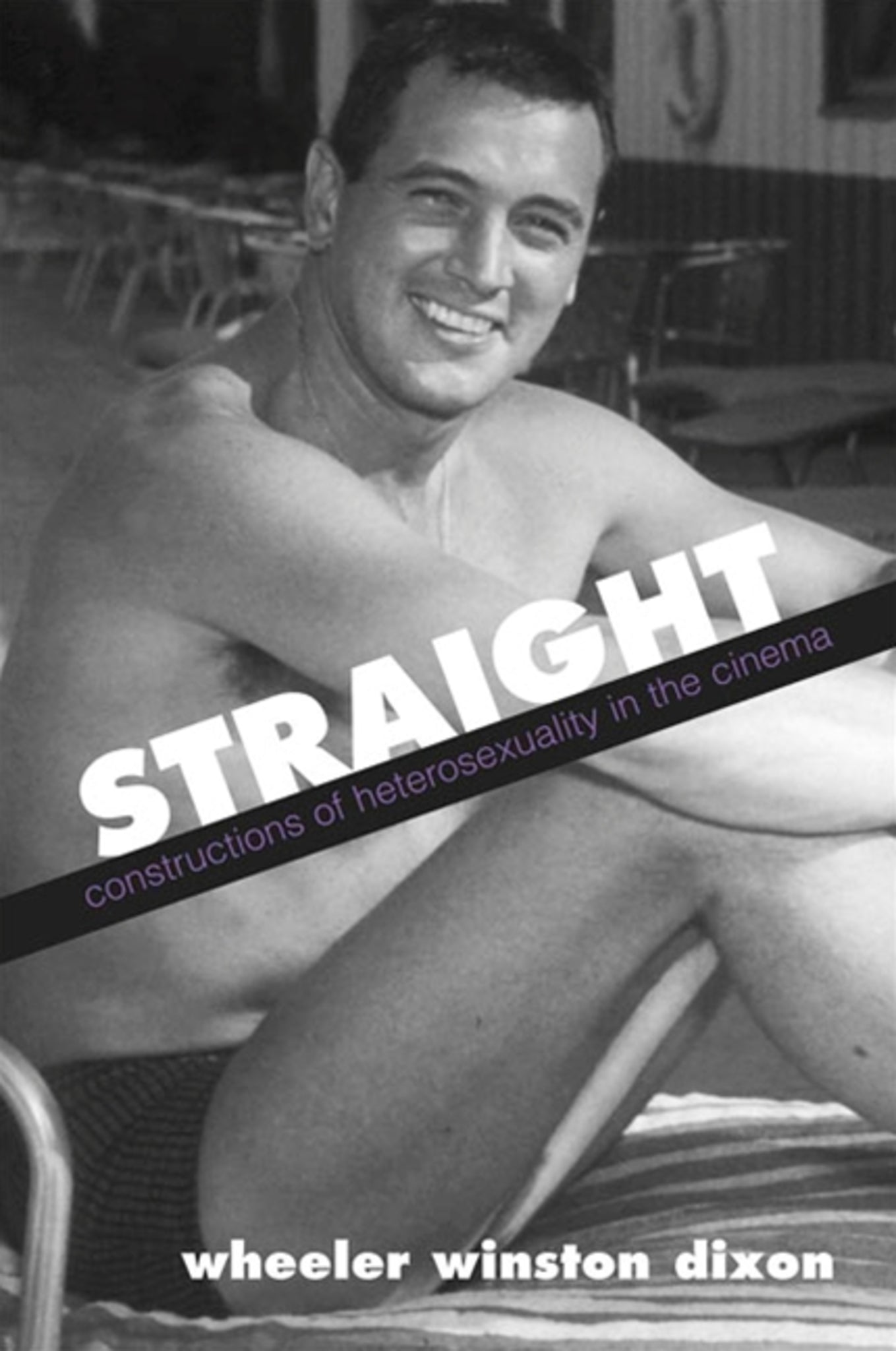
Explores the ways that stereotypes of heterosexuality are portrayed and constructed in film.
straight / 'strāt (adj.)... without curves... correct... honest... not deviating from the normal... conventional... Heterosexual
Practically all mainstream cinema is "straight," and has been since its inception. In Straight, Wheeler Winston Dixon explores how heterosexual performativity has been constructed in film, from early cinema to the present day. In addition to discussing how cinematic visions of masculine and feminine desire have been commodified and sold to reinforce existing societal constructs, Dixon also documents the recent emergence of "hypermasculinity," a kinetic and exaggerated masculinity that has been created to counter the more gentle, thoughtful male portrayed in While You Were Sleeping, Sleepless in Seattle, and other films that seemingly threaten the established order of patriarchal cinematic discourse.


Wheeler Winston Dixon is the James Ryan Endowed Professor of Film Studies, coeditor in chief of Quarterly Review of Film and Video, and chairperson of the Film Studies Program at the University of Nebraska at Lincoln. His many books include The Second Century of Cinema: The Past and Future of the Moving Image; The Films of Jean-Luc Godard; and The Transparency of Spectacle: Meditations on the Moving Image, all published by SUNY Press; and Collected Interviews: Voices from Twentieth-Century Cinema.
List of Illustrations
Acknowledgments
Introduction
1. Constructing Straightness
2. Breaks in the System
3. Performativity and Rupture
4. The Commodification of Straightness
Works Cited and Consulted
About the Author
Index