





Some error occured while loading the Quick View. Please close the Quick View and try reloading the page.
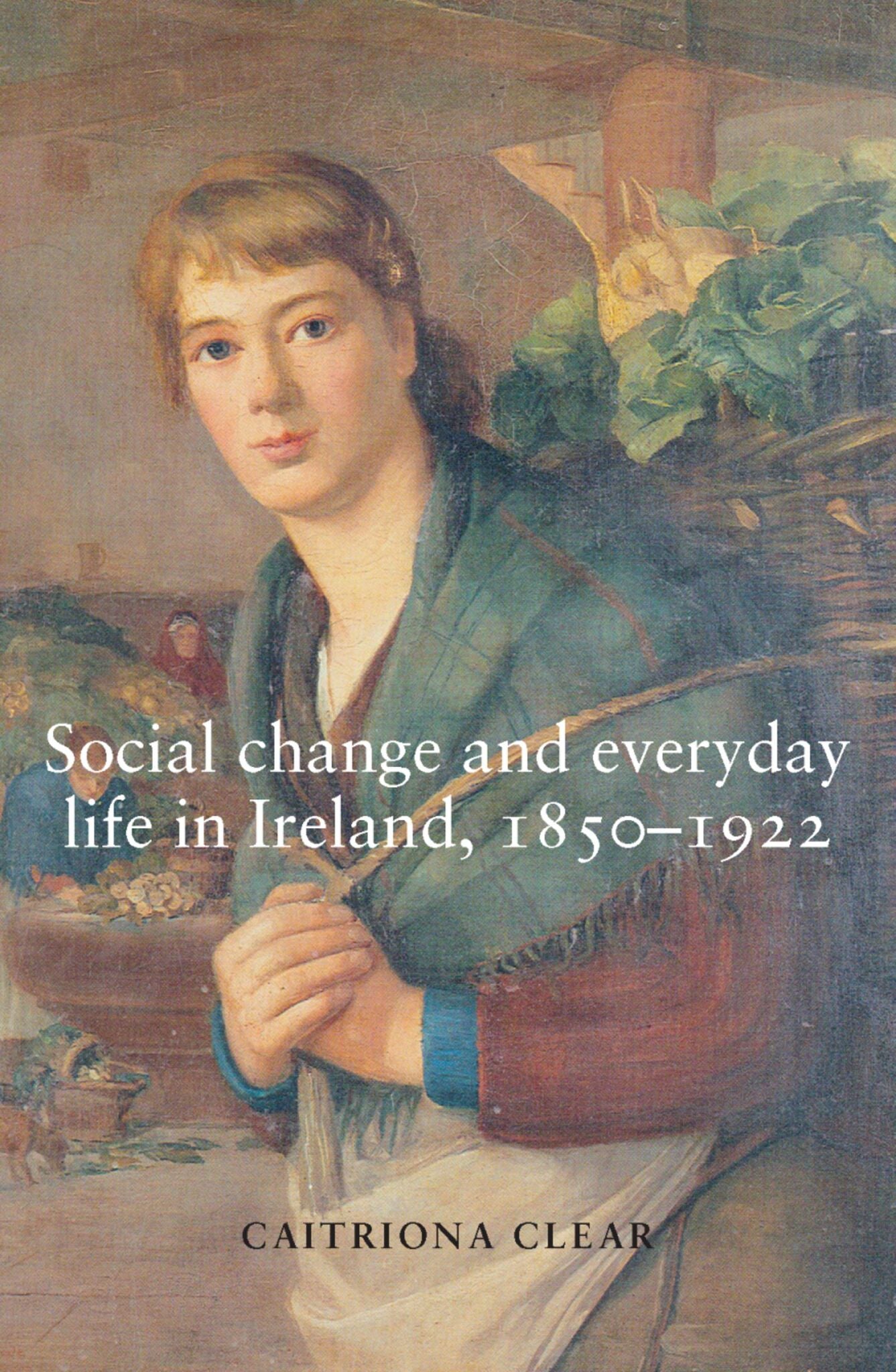
Men and women who were born, grew up and died in Ireland between 1850 and 1922 made decisions - to train, to emigrate, to stay at home, to marry, to stay single, to stay at school - based on the knowledge and resources they had at the time. This, the first comprehensive social history of Ireland for the period 1850-1922 to appear since 1981, tries to understand that knowledge and to discuss those resources on the island, for men and women at all social levels, as a whole.
Using original research, particularly on extreme poverty and public health, and neglected published sources - local history journals, popular autobiography, newspapers - as well as folklore and Irish language sources, this is a remarkable study on a crucial period in Irish history. However, it is also a lively read, reproducing the voices of the people and the stories of individuals whenever it can, questioning much of the accepted wisdom of Irish historiography over the past five decades.
A fascinating book on Irish social history that will be enjoyed by both the student and general reader, written in a non-clichéd, jargon-free style.


Acknowledgments
Key dates in Irish political history
Religion: explanatory note
Introduction
Chapter 1: Farm work
Chapter 2: Non-agricultural work
Chapter 3: Education
Chapter 4:Emigration and migration
Chapter 5: Marriage
Chapter 6: Public health
Chapter 7: Institutions
Chapter 8: On the margins: vagrants and prostitutes
Chapter 9: Housing, food, clothes
Conclusion
APPENDIX
BIBLIOGRAPHY