





Some error occured while loading the Quick View. Please close the Quick View and try reloading the page.
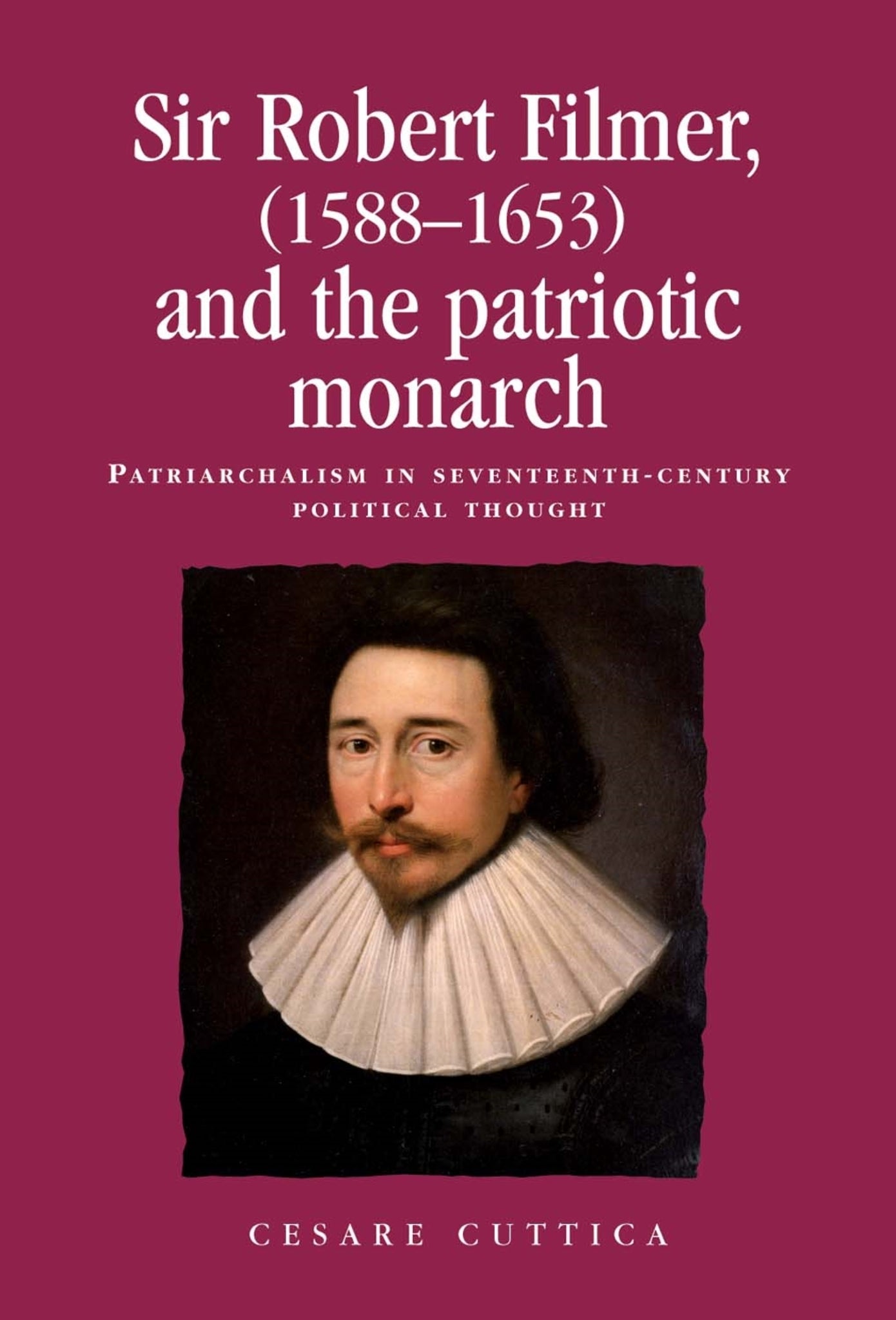
This book studies the patriarchalist theories of Sir Robert Filmer (1588-1653) in the context of early modern English and European political cultures. Making use of unexplored primary material and adopting an innovative contextual approach, Cuttica provides a long-overdue account of an often referred-to but largely misunderstood thinker. By focusing on Filmer’s most important writing, Patriarcha (written in the 1620s-30s but published in 1680), this monograph rethinks some crucial issues in the reading of political history in the seventeenth century. Most importantly, it invites new reflections on the theory of patriarchalism and gives novel insights into the place of patriotism in the development of English political discourse and identity.
Thanks to its originality in both approach and content, this volume will be of interest to historians of early modern England as well as scholars of political thought.


Cuttica’s book offers an accessible guide to Filmer’s thought useful for students of intellectual history.
Cuttica’s book is a very good case study, which hopefully will change the perception of Filmer’s theory, which until now has been seen through the lenses of its critic, John Locke.
In this splendid study, Cesare Cuttica uses contextual and biographical methods to enhance our understanding of Sir Robert Filmer's intellectual life and his contribution to political debates in seventeenth-century England.
This book can be highly recommended and deserves to be widely read.
Cesare Cuttica’s work is the most comprehensive and convincing criticism of such an interpretation.
This is undoubtedly a brilliant study of Filmer’s political thought.
This extremely rich book is a major contribution to our knowledge of Filmer , and more broadly of patriarchy in the seventeenth century , primarily in England.
[Pierre Lurbe; RSEAA XVII-XVIII 70 (2013)]
Cuttica succeeds in presenting his reader with innovative, clear and well-argued information based on his contextualisation and biographical methods. In this way, he provides the reader with new insights and contributes significantly to our understanding of seventeenth-century English intellectual and political history. It is a major contribution to current studies of political thought.
...Cuttica has given us a Filmer with a new significance, and that itself is an unexpected and most welcomed contribution.
Introduction
Part I
1. Filmer: his life and cultural interests
2. From Kent with anger: Patriarcha versus Thomas Scott’s country patriotism
3. Filmer’s patriarchalism versus Jesuit political ideas
4. Filmer’s patriarchalism in context: ‘popularity’, King James VI and I, Parliament and monarchists
5. Writing in the early Caroline regime and the issue of Patriarcha’s non-publication
6. Filmer in the 1640s and 1650s: political troubles and intellectual activism
Part II
7. Publishing in the Exclusion Crisis (1679-81): Patriarcha between fatherhood and fatherland
8. Much ado about nothing? Edmund Bohun’s rehabilitation of Patriarcha, the issue of allegiance and Adamite anti-republicanism
9. Patriarchalism versus patriotism in practice: Patriarcha from the Rye House Plot (1683) to the Glorious Revolution (1688-89)
Conclusion
Appendix
Bibliography
Index