





Some error occured while loading the Quick View. Please close the Quick View and try reloading the page.
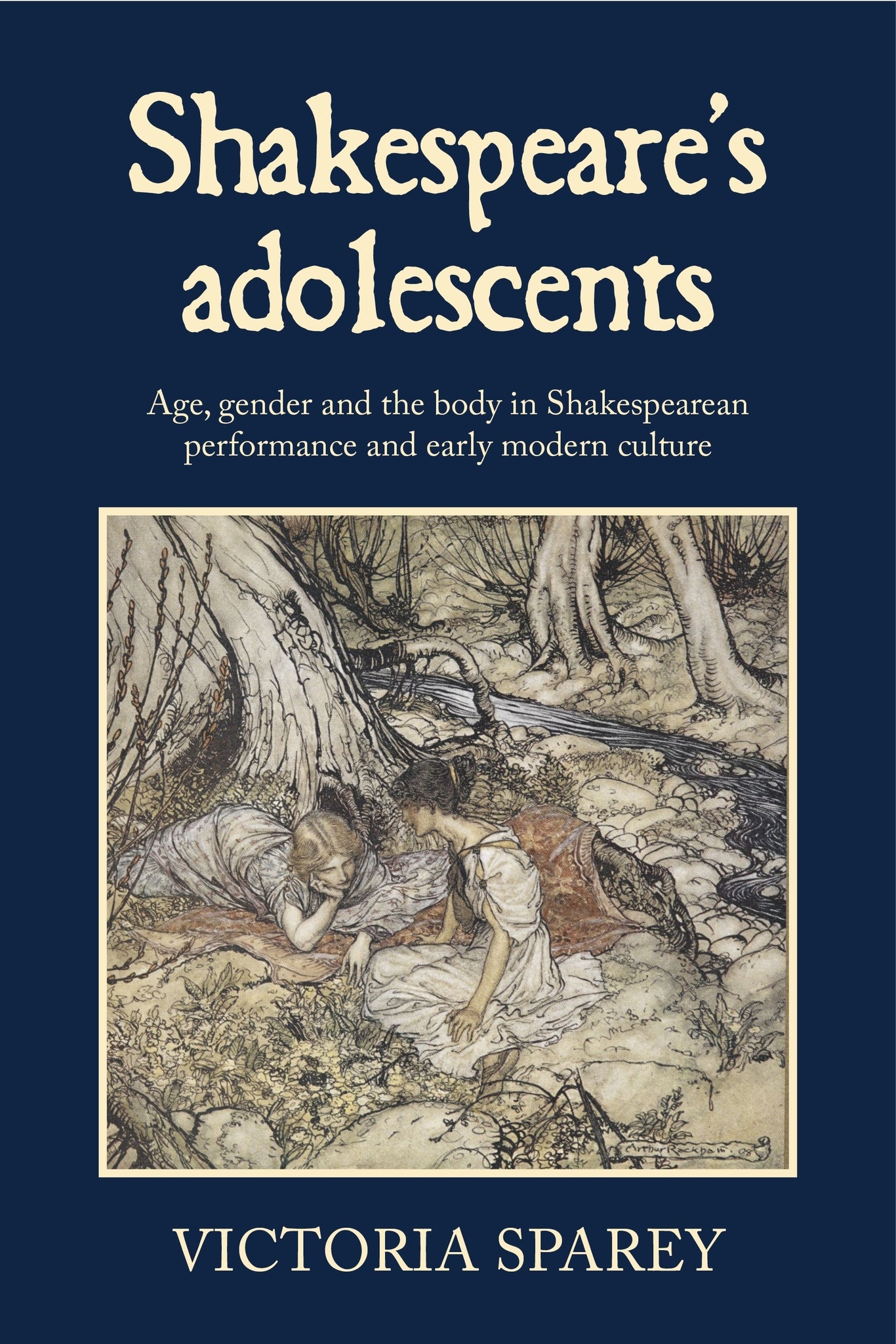
Shakespeare’s adolescents examines the varied representation of adolescent characters in Shakespeare’s plays. Using early modern medical knowledge and an understanding of contemporary theatrical practices, the book unpacks complexities that surrounded the cultural and theatrical representations of ‘signs’ associated with an individual’s physical maturation. Each chapter explores the implications of different ‘signs’ of puberty, in verbal cues, facial adornments, vocal traits and body sizes, to illuminate how Shakespeare presents vibrant adolescent selves and stories.
By analysing female and male puberty together in its discussion of adolescence, Shakespeare’s adolescents provides fresh insight into the age-based symmetry of early modern adolescent identities. The book uses the adolescent’s state of transformation to illuminate how the unfixed nature of adolescence was valued in early modern culture and through Shakespeare’s celebrated characters and actors.


'A book well worth reading, especially for graduate students and other researchers.'
—CHOICE
‘This is a treasure trove of new and fascinating insights into the way theatre companies staged adolescence. It is also a poignant commentary on Shakespeare's empathy towards the teenage years as a time of promise and vitality and yet so often threatened by decline and age.’
—Ursula Potter, The University of Sydney
‘Shakespeare’s adolescents offers a timely new understanding of adolescence in early modern culture as a vibrant and esteemed stage of life. Arguing for commonalities across the gendered experience of youth, while remaining attentive to differences, it innovatively puts age ahead of gender to read Shakespeare’s youthful characters and the theatrical representation of aging bodies afresh. It is essential reading for Shakespeare scholars and students as well as anyone interested in age, theatre and the body in the early modern period.’
—Edel Lamb, Queen's University Belfast
Introduction – misunderstood teens: examining early modern ideas about puberty
1 ‘A rose by any other name’: flowering adolescence and the gendering of puberty
2 Beards and blushes: fertile complexions in Shakespeare’s plays
3 Voicing adolescence: the heated words of puberty
4 The maypole and the acorn: body growth and disparities in height in
Shakespeare’s plays
Conclusion – spot the difference: symmetry, difference, and gender in early modern constructions of adolescence
Index