





Some error occured while loading the Quick View. Please close the Quick View and try reloading the page.
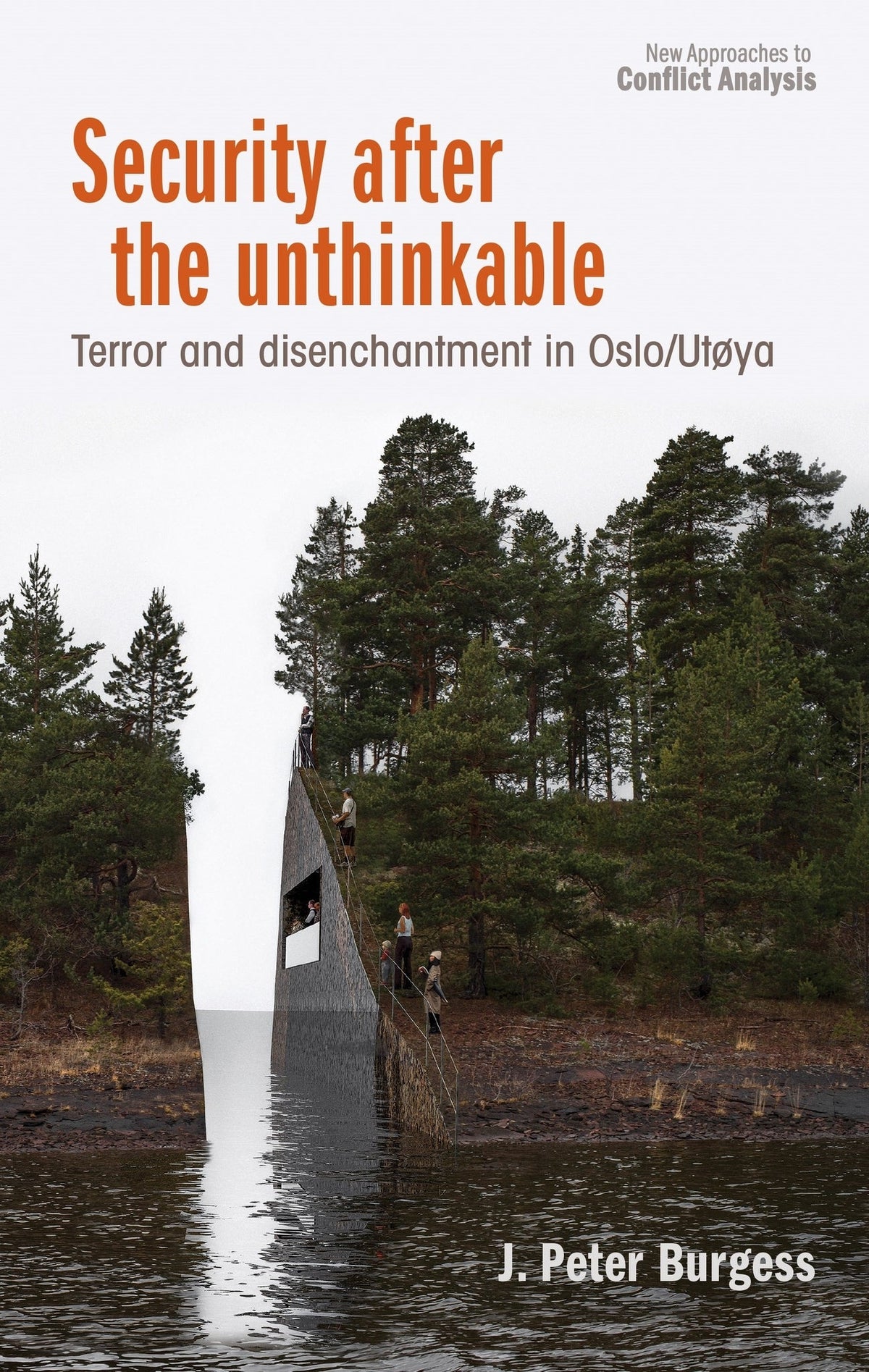
This book builds a theoretical perspective for explaining what security remains after the security event. It studies in detail the evolution of security thinking before, during and after the 2011 terrorist attack in Utøya and Oslo, Norway, tracking the political discourse and the institutional reactions in order to form a theory of ‘terror and disenchantment’. It develops a general theory of security that contributes to ongoing debates on non-military security, asymmetric warfare, ontological security and human security. It revisits the nature of terrorism, the sense of its practice and re-conceptualises the way practice of counter- and anti-terrorism are embedded in social, cultural and national consciousness.

Price: £30.00
Pages: 296
Publisher: Manchester University Press
Imprint: Manchester University Press
Series: New Approaches to Conflict Analysis
Publication Date:
27 February 2024
ISBN: 9781526180063
Format: Paperback
BISACs:

J. Peter Burgess is Professor of Philosophy and Director of the Chair in Geopolitics of Risk at the Ecole Normale Supérieure, Paris
Introduction
Part I: Theory of disenchantment
1. Terror and disenchantment
2. The enchantment of security
3. The invention of vulnerability
4. Our coming security
Part II: Making security sense of Oslo/Utøya
5. 22 July 2011: Event, meaning and affect
6. The report of the 22/7 Commission
7. There is no alternative to security
8. Giving and taking responsibility for terrorism
After thought