





Some error occured while loading the Quick View. Please close the Quick View and try reloading the page.
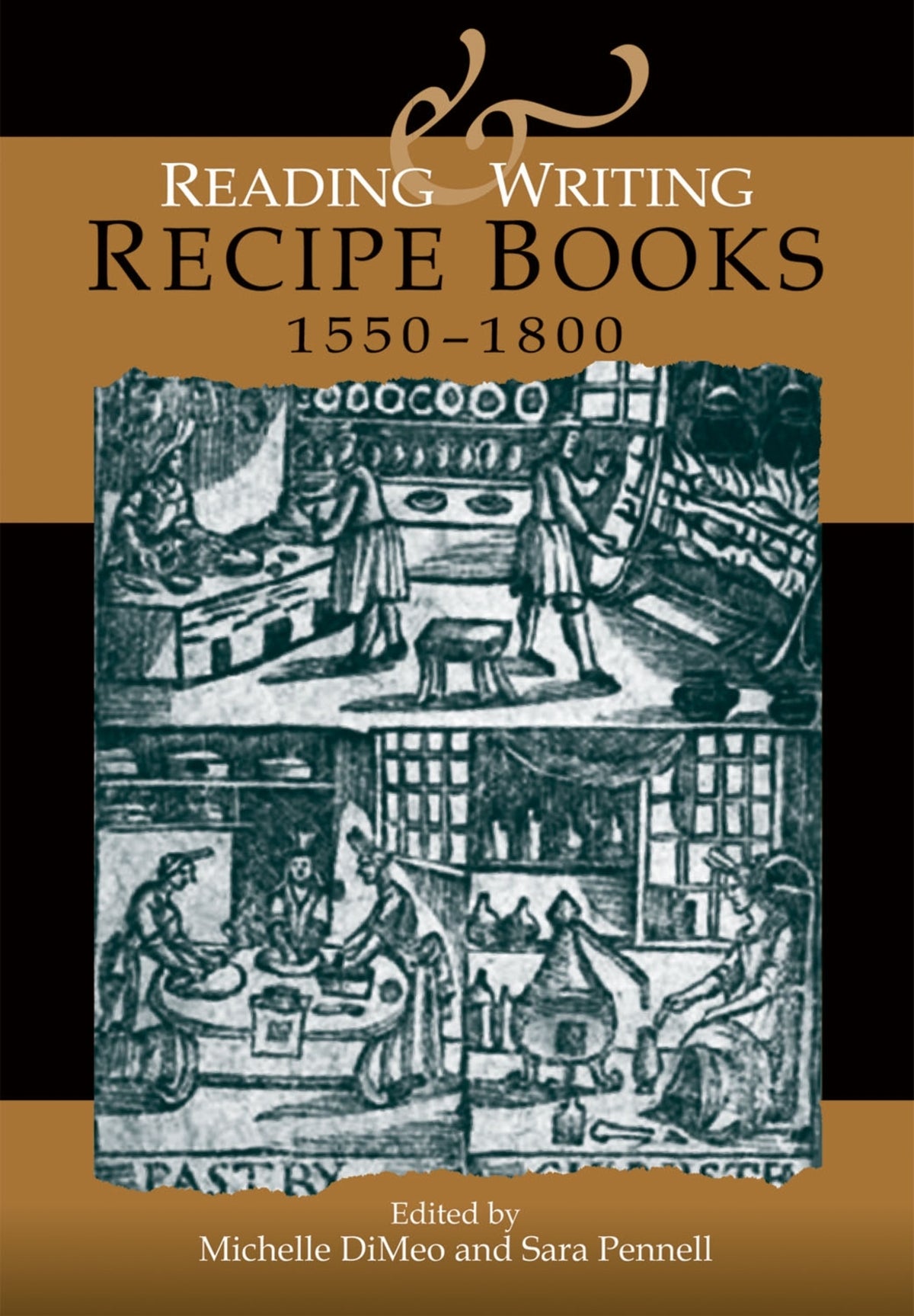
This collection of essays provides an overview of new scholarship on recipe books, one of the most popular non-fiction printed texts in, and one of the most common forms of manuscript compilation to survive from, the pre-modern era (c.1550–1800).
This is the first book to collect together the wide variety of scholarly approaches to pre-modern recipe books written in English, drawing on varying approaches to reveal their culinary, medical, scientific, linguistic, religious and material meanings. Ten scholars from the fields of culinary history, history of medicine and science, divinity, archaeology and material culture, and English literature and linguistics contribute to a vibrant mapping of the aspirations invested in, and uses of, recipes and recipe books. By exploring areas as various as the knowledge economies of medicine, Anglican feasting and fasting practices, the material culture of the kitchen and table, London publishing and concepts of authorship and the aesthetics of culinary styles, these eleven essays (including a critical introduction to recipe books and their historiography) position recipe texts in the wider culture of the sixteenth, seventeenth and eighteenth centuries. They illuminate their importance to both their original compilers and users, and modern scholars and graduate students alike.


List of figures and tables
List of contributors
Acknowledgements
Abbreviations
1. Introduction Sara Pennell and Michelle DiMeo
PART I: Methodologies
2. Authorship and medical networks: reading attributions in early modern manuscript recipe books’ Michelle DiMeo
3. ‘A practical art’: an archaeological perspective on the use of recipe books Annie Gray
4. Genre conventions in English recipes, 1600–1800 Francisco Alonso- Almeida
PART II: Textuality and intertextuality
5. Reading recipe books and culinary history: opening a new field Gilly Lehmann
6. The ‘Quintessence of Wit’: poems and recipes in early modern women’s writing Jayne Elisabeth Archer
7. The Foote sisters’ Compleat Housewife: cookery texts as a source in lived religion Lauren F. Winner
PART III: Cultures of circulation and transmission
8. Cooking the books, or, the three faces of Hannah Woolley Margaret J. M. Ezell
9. Crossing the boundaries: domestic recipe collections in early modern Wales Alun Withey
10. ‘Lett her refrain from all hott spices’: medicinal recipes and advice in the treatment of the King’s Evil in seventeenth-century south-west England Anne Stobart
11. Making livings, lives and archives: tales of four eighteenth-century recipe books Sara Pennell
Select Bibliography
Index