





Some error occured while loading the Quick View. Please close the Quick View and try reloading the page.
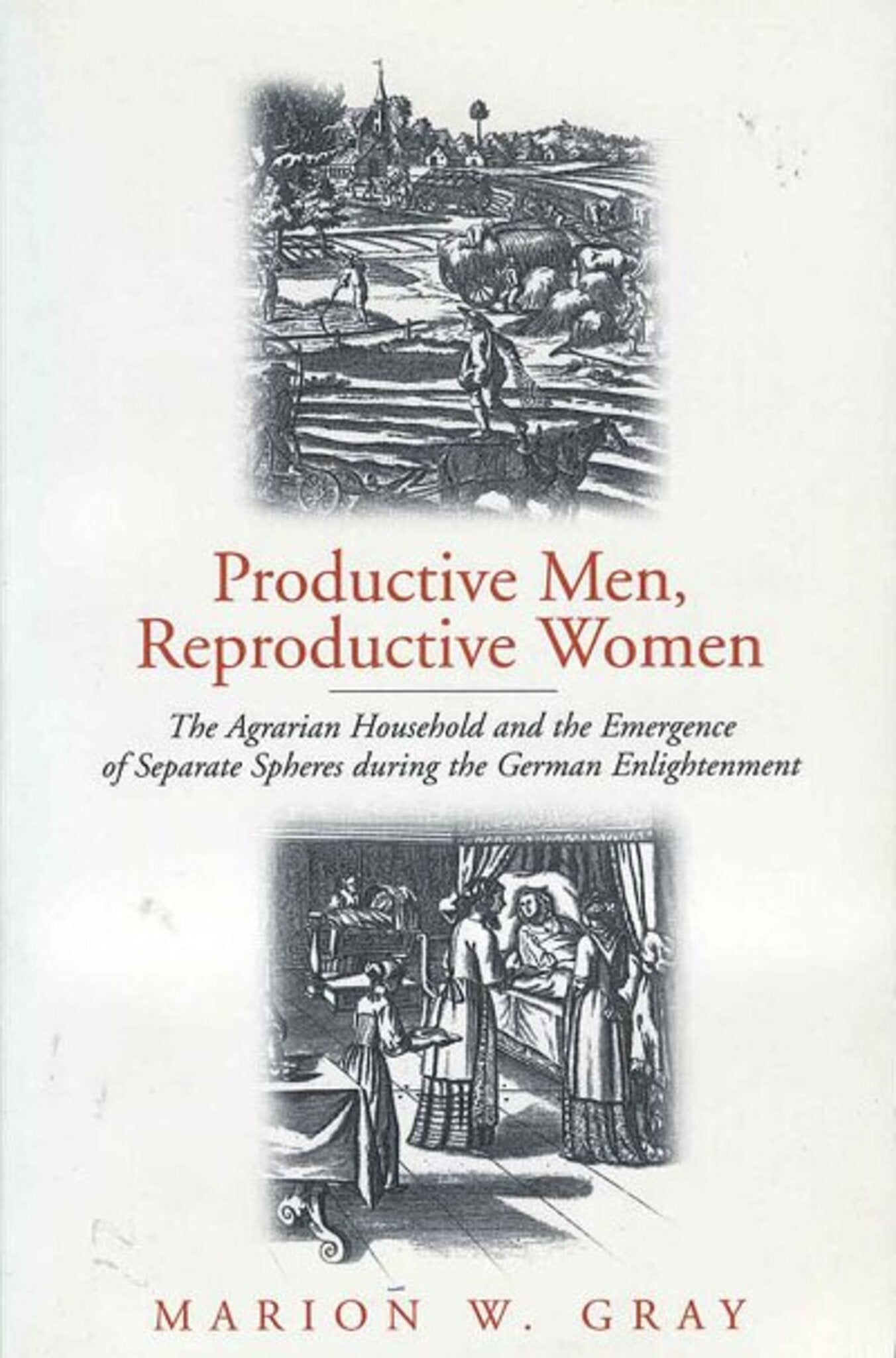
The debate on the origins of modern gender norms continues unabated across the academic disciplines. This book adds an important and hitherto neglected dimension. Focusing on rural life and its values, the author argues that the modern ideal of separate spheres originated in the era of the Enlightenment. Prior to the eighteenth century, cultural norms prescribed active,interdependent economic roles for both women and men. Enlightenment economists transformed these gender paradigms as they postulated a market exchange system directed exclusively by men. By the early nineteenth century, the emerging bourgeois value system affirmed the new civil society and the market place as exclusively male realms. These standards defined women's options largely as marriage and motherhood.


"A wonderfully nuanced study that will change the ways in which the separation of the spheres is studied and understood. It is deeply significant for scholars of German, economic, and gender history alike." · German History
"Suggestive, meticulous, and closely reasoned work. Densely structured, highly detailed notes; comprehensive bibliography; illustrations." · Choice
"(A) fascinating and original study." · The Times Literary Supplement
"An accessible book, beautifully produced." · Journal of European Area Studies
"Gray's study is a very readable, systematic, provocative, and important history of gender ideology, economic theory, and their inter-connectedness." · Central European History
Acknowledgements
List of Illustrations
Chapter 1. Gender Norms and the Language of Economics
Chapter 2. The Historical Context: Patriarchy and Community (1600-1800)
Chapter 3. The Household as the Economy: Hierarchy and Interdependence in Seventeenth-Century Economic Thought (1600-1720)
Chapter 4. The Economics of Cameralism: Redefining the Male World by Separating It from the Household (1720-1780)
Chapter 5. The Enlightenment: Civil Society and the Emancipation of Middle-Class Males (1750-1790)
Chapter 6. The Enlightenment and the "Character of the Sexes" (1750-1790)
Chapter 7. The Household Ideal in a Changing World (1750-1790)
Chapter 8. The Primacy of the Public Sphere: the Era of the French Revolution and Napoleon (1790-1815)
Chapter 9. "Scientific Agriculture" and the Sexual Division of Labor (1810-1830)
Chapter 10. "Every Man is King in his Own House"
Bibliography
Index