





Some error occured while loading the Quick View. Please close the Quick View and try reloading the page.
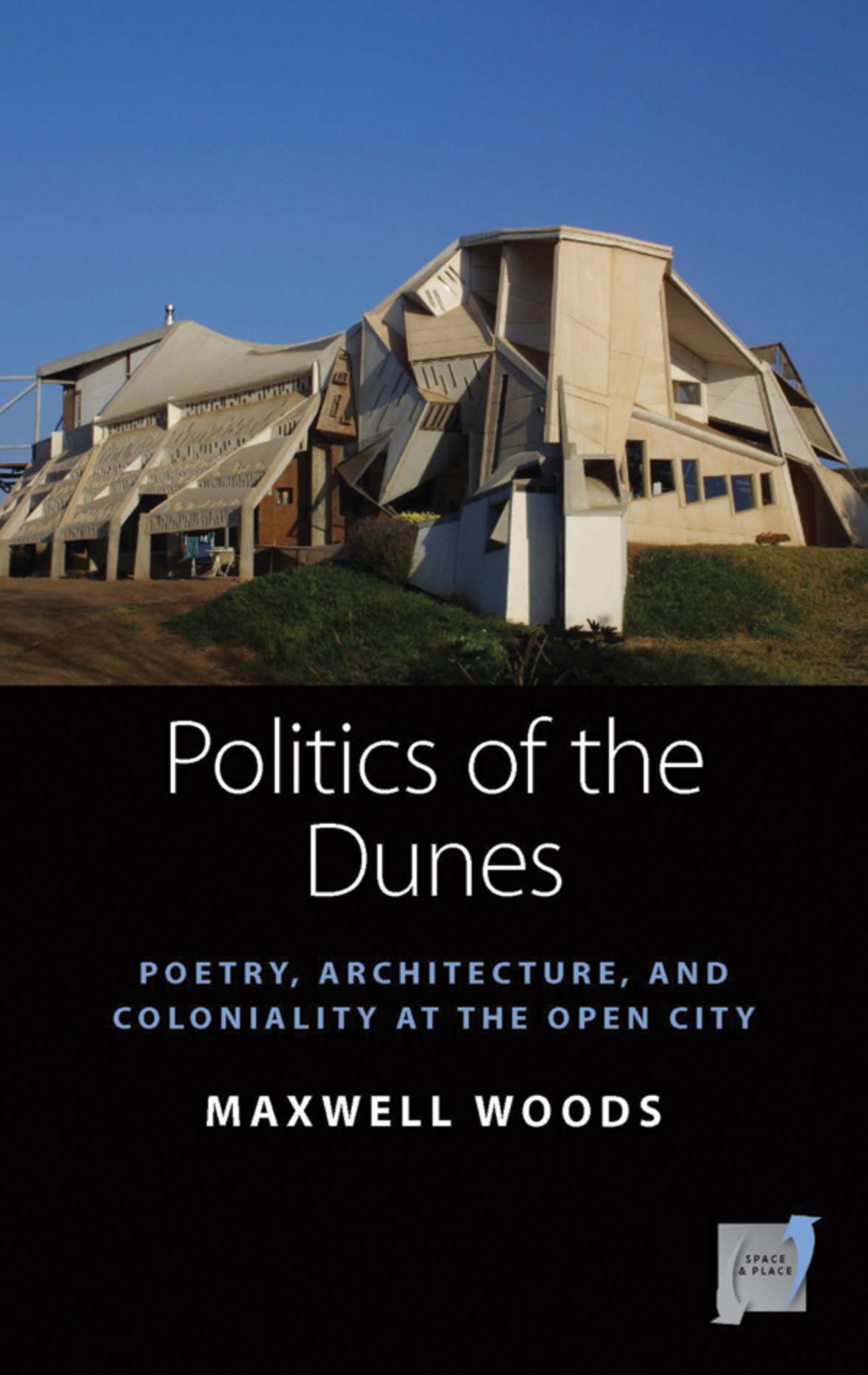
Founded in the late 1960s on Chile’s Pacific coast, the Open City (la Ciudad Abierta) has become an internationally recognized site of cutting-edge architectural experimentation. Yet with a global reputation as an apolitical collective, little has been discussed about the Open City’s relationship with Chilean history and politics. Politics of the Dunes explores the ways in which the Open City’s architectural and urban practice is devoted to keeping open the utopian possibility for multiplicity, pluralism, and democratization in the face of authoritarianism, a powerful mode of postcolonial environmental urbanism that can inform architectural practices today.


“At the heart of the project are the politics of avant-gardism and of the brutally repressive dictatorship of General Augusto Pinochet. Though not an easy read, this is certainly a volume that specialists in visionary experiments of the 20th century will want to take into account...Recommended.” • Choice
“With intelligence, intuition, and clarity the author makes an argument for revisiting long-established assumptions about the Open City, in favor of a nuanced reading that intertwines matters of architecture and urbanism, environmentalism, decolonial studies, and critical theory”. • Andreea Mihalache, Clemson University
“This is a highly valuable addition to the scholarship around the Open City, and for those who are interested in alternate models of social cohesion around living, work and learning”. • Ann Pendleton-Jullian, Knowlton School of Architecture
Acknowledgments
Chapter 1. On So-Called Non-Political Urban Environmentalism: The Architecture of the Open City, Politics, and the Political
Chapter 2. Refashioning Latin Americanism: The Foundations of the Environmental Urbanism of the Open City
Chapter 3. The Eruption of the Political?: Politics, the Political, Hospitality, and the Foundation of the Open City
Chapter 4. Thinking Otherwise: Keeping the Open City Open in the Dictatorship
Chapter 5. On Subaltern Historiography: Thinking the Open City Historically
Chapter 6. Towards a Decolonial Environmentalism: The Limits and Openings of the Open City’s Environmental Urbanisms
Conclusion: Socialities, New Openings, and the Lingering Question of Capital
References
Index
Figures follow p. 190