Skip to product information
1 of 1

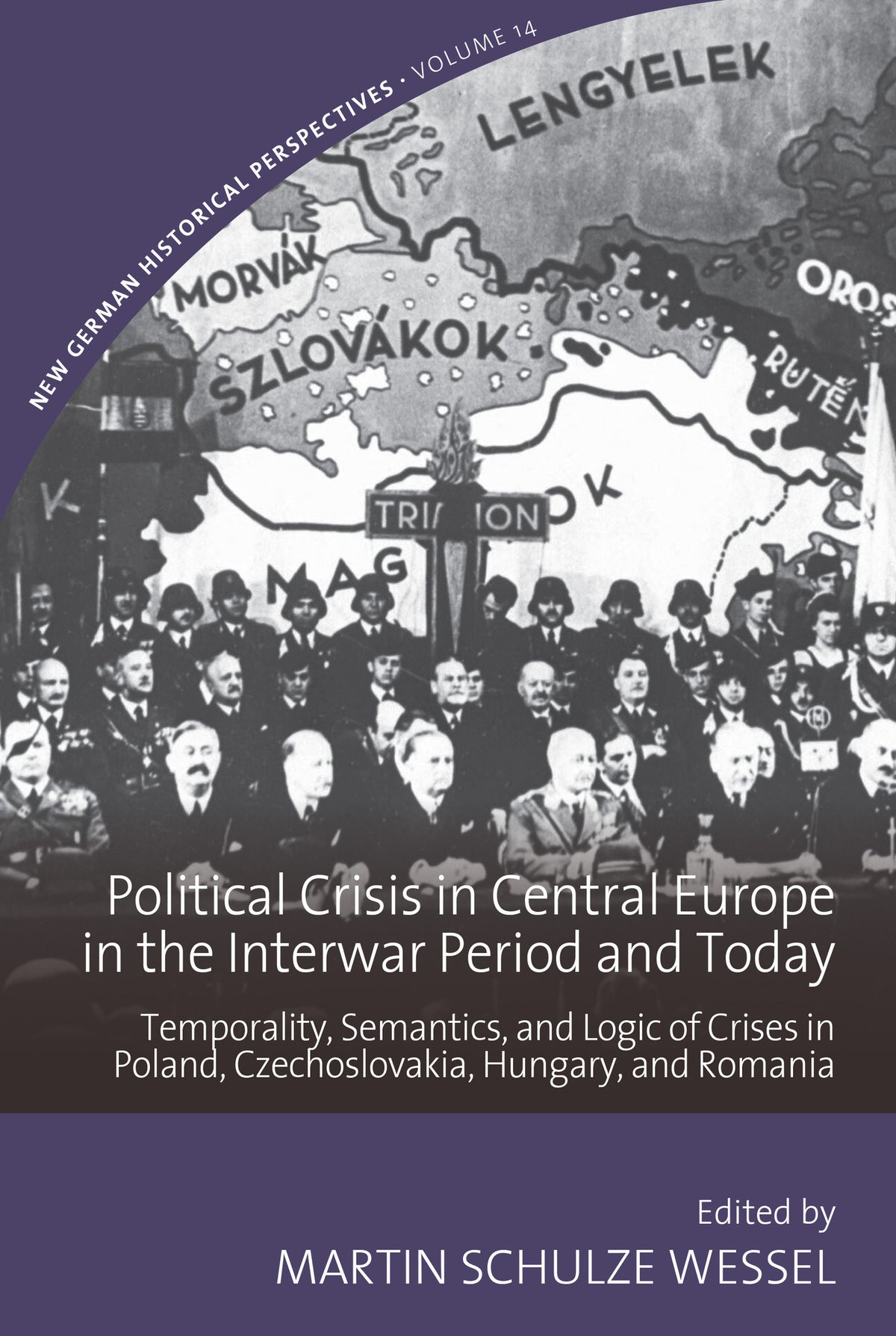
Political Crisis in Central Europe in the Interwar Period and Today

Publisher:

Regular price £104.00
Sale price £104.00 Regular price £104.00
Sale Sold out
Examines the crisis and failure of democracy in Central and Eastern Europe during the interwar period, from a comparative and interdisciplinary perspective. Linking contemporary concerns about democratic fragility with historical analysis, the contributions explore political...
Read More
  • Format:
  • 15 August 2026
View Product Details
Linking contemporary concerns about democratic fragility with historical analysis, this volume examines the crisis and failure of democracy in Central and Eastern Europe during the interwar period from a comparative and interdisciplinary perspective. The contributions explore political culture, constitutional traditions, religion, violence, and crisis discourse in Germany, Poland, Czechoslovakia, Hungary, Romania, and Slovakia. Rather than focusing narrowly on institutional breakdown, the authors emphasize long-term cultural legacies, narratives of crisis, and exclusionary identities that undermined democratic pluralism. Interwar Europe functioned as a laboratory of democracy whose experiences offer critical insights into the challenges facing liberal democracies today.
files/i.png Icon
Price: £104.00
Pages: 288
Publisher: Berghahn Books
Imprint: Berghahn Books
Series: New German Historical Perspectives
Publication Date: 15 August 2026
Trim Size: 9.00 X 6.00 in
ISBN: 9781836956310
Format: Hardcover
BISACs:

HISTORY / Modern / 20th Century / General, European history, POLITICAL SCIENCE / Political Ideologies / Democracy, HISTORY / Europe / Eastern, Politics & government, Political structures / systems: democracy

REVIEWS Icon

Introduction
Martin Schulze Wessel

Chapter 1. Crises of Democracy and Capitalism Intertwined: The Interwar Years as Space of Experience and Usable Past
Stefanie Middendorf

Chapter 2. Vertical Power Division and the Rule of Law: A Constitutional Analysis of Poland and Romania
Madeleine Hartmann and Dietmar Müller

Chapter 3. Czech and Czechoslovak Communists 1921–2021: The Rise and Fall of an Anti-System Party
Jakub Rákosník

Chapter 4. From Godless Amazons to the Gender Lobby: Czech Anti-Gender Activism in Historical Perspective
Melissa Feinberg

Chapter 5. ‘The Protestants and Us’: State, Nation, and Religion in Interwar and Today’s Slovakia
Darina Volf

Chapter 6. The Return of Christian Hungary: Religion, Nationalism, and Historical Memory
Paul Hanebrink

Chapter 7. Victory, Homogeneity, and International Order: Czechoslovakia's Violent Paths to National Democracy in 1918, 1945, and 1989
Ota Konrád

Chapter 8. Practice and Ideology in the Study of Fascist Movements in Interwar Europe
Daniel Siemens

Index