





Some error occured while loading the Quick View. Please close the Quick View and try reloading the page.
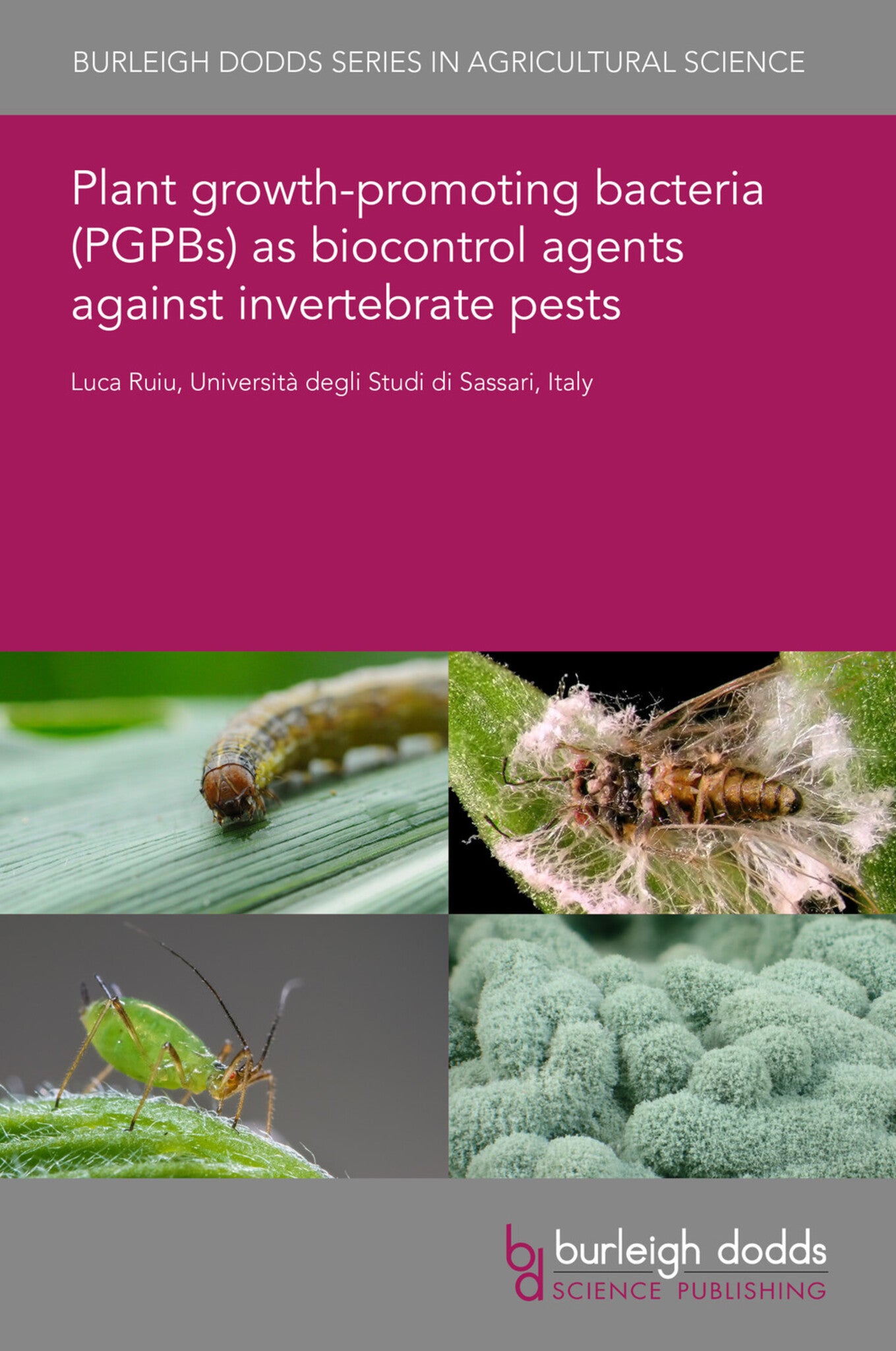
Plant growth promoting bacteria (PGPBs) represent an important resource for agricultural crops, providing several benefits to the plant such as optimizing the use of environmental resources, improving plant health and resistance to biotic and abiotic factors, and directly acting against plant pathogens and invertebrate pests. The result is a strong industrial interest pursuing the principles of eco-sustainable crop management involving the reduction of chemical inputs in the agro-ecosystem. In addition to biofilm formation on the root, determining competition for space and nutrients with soil phytopathogens, the biocontrol activity associated with PGPB species may depend on the production of bioactive metabolites. The wide variety of bacteria with such features include species in the genera Bacillus, Paenibacillus, Brevibacillus, Pseudomonas, Serratia, Burkholderia, and Streptomyces. The soil-dwelling bacterium Pseudomonas protegens is taken as a case study in this chapter, being a PGPB with dual action of biocontrol against both plant pathogens and invertebrate pests.

Price: £25.00
Publisher: Burleigh Dodds Science Publishing
Imprint: Burleigh Dodds Science Publishing
Series: Burleigh Dodds Series in Agricultural Science
Publication Date:
23 March 2020
ISBN: 9781786767035
Format: eBook
BISACs:

1 Introduction 2 Plant growth promotion 3 Action against plant pathogens 4 Potential against invertebrate pests 5 Applications in agriculture and forestry 6 Case study: Pseudomonas protegens 7 Conclusion and future trends 8 Where to look for further information 9 References