





Some error occured while loading the Quick View. Please close the Quick View and try reloading the page.
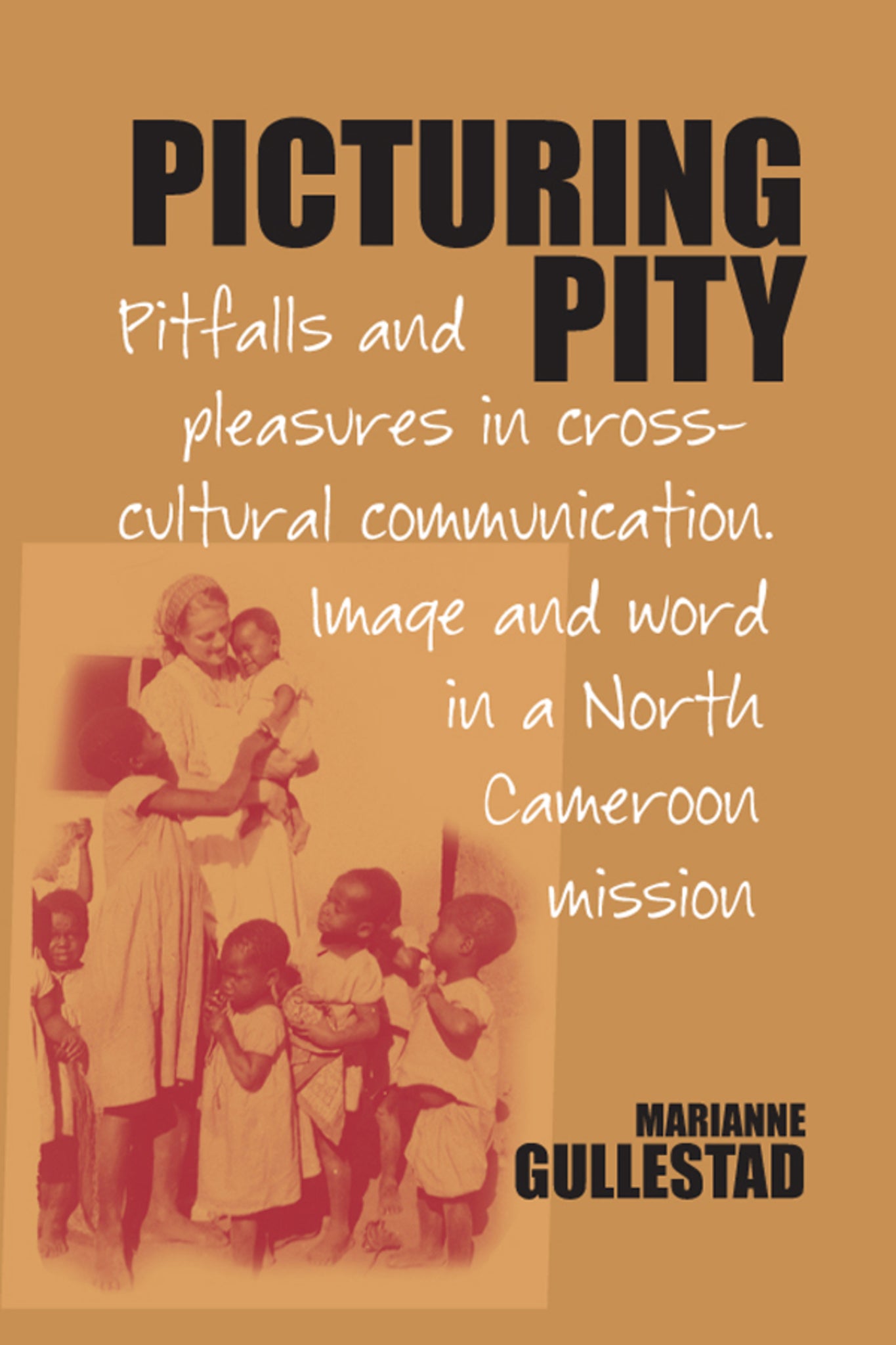
Picturing Pity is the first full length monograph on missionary photography. Empirically, it is based on an in-depth analysis of the published photographs taken by Norwegian evangelical missionaries in Northern Cameroon from the early nineteen twenties, at the beginning of their activities in this region, and until today. Being part of a large international movement, Norway sent out more missionaries per capita than any other country in Europe.
Marianne Gullestad's main contention is that the need to continuously justify their activities to donors in Europe has led to the creation and maintenance of specific ways of portraying Africans. The missionary visual rhetoric is both based on earlier visualizations and has over time established its own conventions which can now also be traced within secular fields of activity such as international development agencies, foreign policy, human relief organizations and the mass media.
Picturing Pity takes part in the present "pictorial turn" in academic teaching and research, constituting visual images as an exciting site of conversation across disciplinary lines.


“As the Australian historian Max Quanchi recently observed, research on the educative and propaganda power of images in the public domain is still at a formative stage. Gullestad's book is a considerable contribution to a critical understanding of the visual output of a European mission society. It convincingly shows that photographs not only convey ideas, meanings, perceptions, and beliefs, but that they can also configure them. Scholars interested in visual records, missionary history and/or actual questions about the continuous existence of asymmetrical relations between the North and the South will find in Gullestad's final contribution a stimulating study - one which hopefully will trigger a series of similar and expanded research works.” · African Affairs
List of Figures
Acknowledgements
Chapter 1. Introduction: Propaganda for Christ
Chapter 2. Establishing a Goodness Regime
Chapter 3. Imagining a Call from Africa
Chapter 4. Reflections on Taking Photographs
Chapter 5. God’s Sowers and Reapers
Chapter 6. Women and Children: Both Marginal and Central
Chapter 7. Muslim Men: Dangerous Rivals and Exotic Villains
Chapter 8. Victims and Villains in a Feature Film from 1960
Chapter 9. From Religions Propaganda to Cultural Heritage
Chapter 10. Goodness and Its Side-effects
Bibliography
Index