





Some error occured while loading the Quick View. Please close the Quick View and try reloading the page.
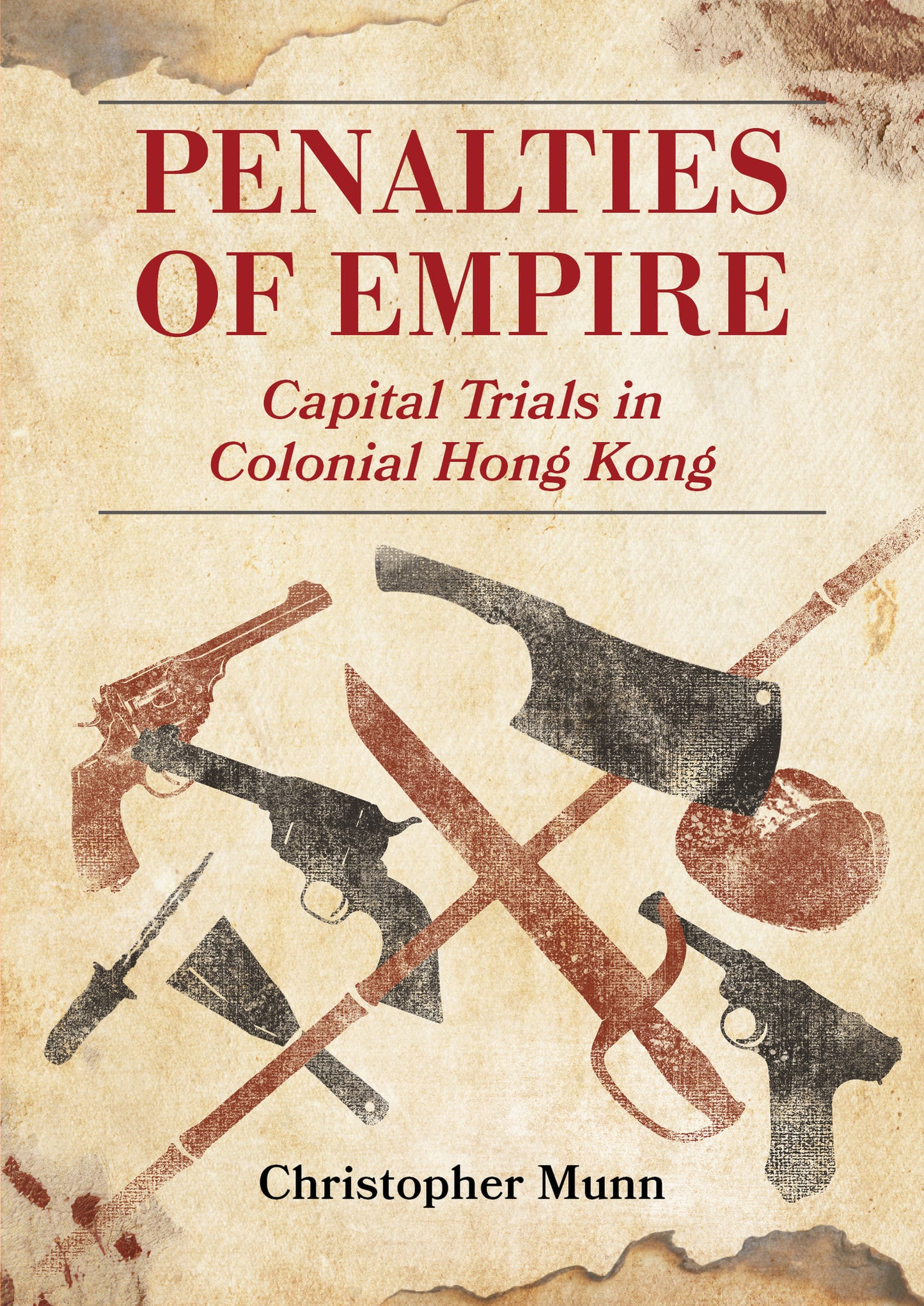
‘We must have a procedure – if we are going to hang anyone – that is just,’ said Chief Justice Sir Francis Piggott in 1909, on discovering that Chinese accused of murder were being denied interpretation in Hong Kong’s courts. Due process, no matter how costly or inconvenient, was ‘one of the penalties of empire,’ he declared.
Penalties of Empire explores how judges, juries, and lawyers strove to deliver justice during the 150 years when the death penalty was in force in Hong Kong. Nine main chapters focus on key capital trials in the first century of British rule. Among the cases are piracies, assassinations, and crimes of passion and desperation. These chapters describe the proceedings in court and the participants involved. They also explore the debates surrounding each case and the exercise or denial of mercy by governors. Two final chapters discuss the decline of the death penalty after World War II, its suspension after 1966, and the controversies leading to its formal abolition in 1993. Penalties of Empire traces the evolution of criminal justice at its highest levels. It also offers a prism for understanding some of the broader forces at work in Hong Kong’s history.


‘Dr Munn is a distinguished scholar in the legal history of Hong Kong. This impressive work focuses on the administration of justice in capital cases in the context of the conditions of the society at the time. His account of events and people is lively and masterly. His observations and insights are illuminating and perceptive. This outstanding book deserves to be widely read.’
—The Honourable Andrew Li Kwok Nang, First Chief Justice of the Hong Kong SAR (1997–2010)