





Some error occured while loading the Quick View. Please close the Quick View and try reloading the page.
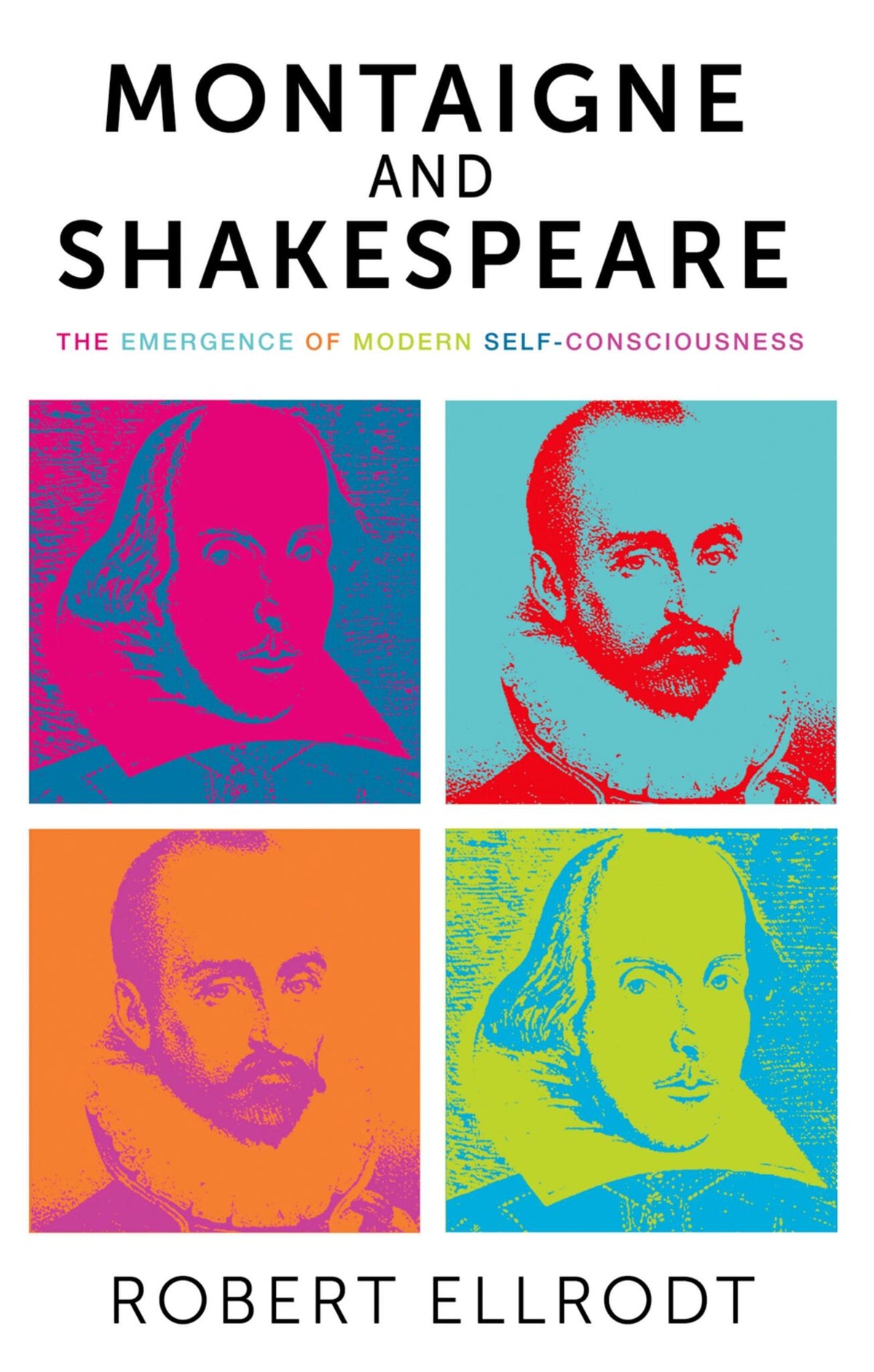
This book is not merely a study of Shakespeare’s debt to Montaigne. It traces the evolution of self-consciousness in literary, philosophical and religious writings from antiquity to the Renaissance and demonstrates that its early modern forms first appeared in the Essays and in Shakespearean drama. It shows, however, that, contrary to some postmodern assumptions, the early calling in question of the self did not lead to a negation of identity. Montaigne acknowledged the fairly stable nature of his personality and Shakespeare, as Dryden noted, maintained 'the constant conformity of each character to itself from its very first setting out in the Play quite to the End'.
A similar evolution is traced in the progress from an objective to a subjective apprehension of time from Greek philosophy to early modern authors. A final chapter shows that the influence of scepticism on Montaigne and Shakespeare was counterbalanced by their reliance on permanent humanistic values.


‘Although this is a new book, it hails from another era. Ellrodt’s reading is prodigious, but he presents his arguments within an understanding of literary history that may seem narrowly conceived from the perspective of present-day early modernists. Shakespeareans and Montaignistes will nonetheless do well to read this study — and to test their intuitions against the considered judgments of a lifelong student of Western thought and literature.’
William M. Hamlin, Washington State University, Renaissance Quarterly Vol LXIX, No. 3
1. New forms of self-consciousness in Montaigne
2. The progress of subjectivity from Antiquity to Montaigne
3. Shakespeare and the new aspects of subjectivity
4. Complexity and coherence of the Shakespearean characters
5. Subjective Time in Montaigne and Shakespeare
6. Scepticism and stable humanistic values
Epilogue: The wisdom of Montaigne and Shakespeare
Bibliography
Index