





Some error occured while loading the Quick View. Please close the Quick View and try reloading the page.
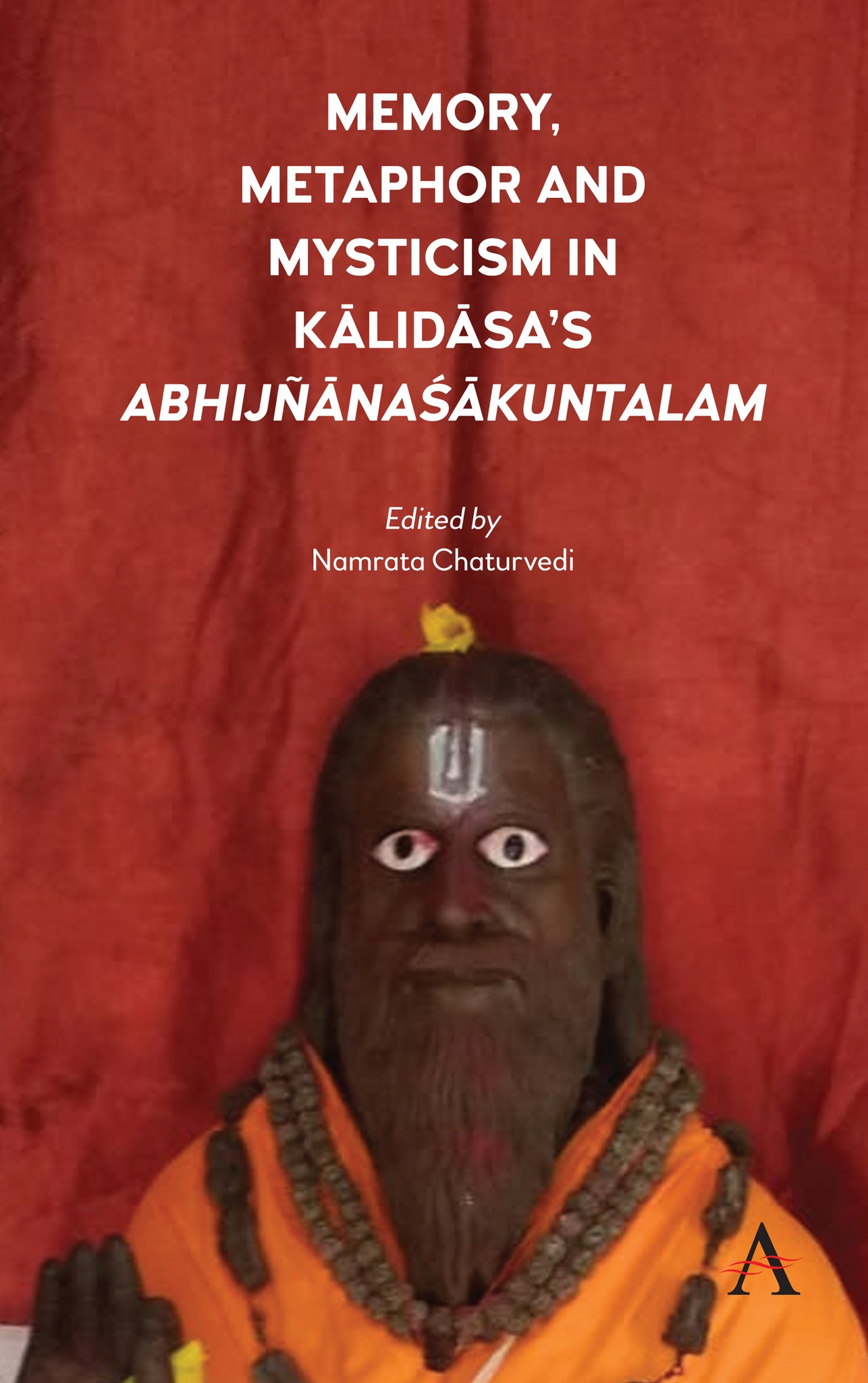
A study of ‘AbhijñānaŚākuntalam’ has to situate the contexts in ancient through medieval Indian literature and scholarship before it comes to the colonial and the contemporary. In epistemological privileging, this text has become either a Hindoo play in the colonial, Hindu drama in the Hindutva and a love story in the Western theoretical paradigms of scholarship. The essays in ‘Memory, Metaphor and Mysticism in Kalidasa’s ‘AbhijñānaŚākuntalam’ attempt to restore contexts, especially philosophical contexts, for reading this play.


‘Memory, Metaphor and Mysticism in Kalidasa’s “AbhijñānaŚākuntalam” offers a striking account of the continued power of Kālidāsa’s work. In addition to literary studies of the Sanskrit drama, its attention to the afterlives of the Śākuntalam in vernacular languages from Nepali to Persian opens up new ways of understanding this classic.’ —Luther Obrock, Assistant Professor, University of Toronto, Canada
Acknowledgments; Introduction, Namrata Chaturvedi; Section I: Metre, Structure and Dhvani; 1. ‘Upamā Kālidāsasya’: What Makes Kālidāsa the King of Metaphor, Ramkishor Maholiya; 2. What Happens in ‘Śakuntalā’: Conceptual and Formal Symmetries, Sheldon Pollock; 3. From Separation to Unity: Resonances of Kashmir Śaivism in ‘AbhijñānaŚākuntalam’, H. S. Shivaprakash and Namrata Chaturvedi; 4. ‘Śakuntalā’ and the Bible: Parallels and Resonances, Felix Wilfred; Section II: Commentaries and Criticism; 5. Love on One’s Terms: Perspectives on ‘Gāndharva Vivāha’ in ‘AbhijñānaŚākuntalam’, Wagish Shukla; 6. ‘AbhijñānaŚākuntalam’ in Indian Hermeneutics, Radhavallabh Tripathi; 7. The Seeker Finds His Self: Reading ‘Sārārthadīpikā’, the Advaita Commentary on ‘AbhijñānaŚākuntalam’, Godabarisha Mishra; Section III: Varied Grammars of Love; 8. ‘Not a Tale, but a Lesson’: Persian Translations of Kālīdāsa’s ‘AbhijñānaŚākuntalam’, Sunil Sharma; 9. Śakuntala in Hindustani: Reading select Urdu translations of ‘AbhijñānaŚākuntalam’, Khalid Alvi; 10. Dialogue between Two ‘Mahākavis’: Kālidāsa and Laxmi Prasad Devkota’s Three ‘Śakuntalās’, Gokul Sinha; Section IV: On the Stage: Personal Engagements with a Lived Tradition; 11. Staging ‘Śakuntalā’ in India: Observations and Reflections, Kamlesh Dutt Tripathi; 12. From the Stage to the Classroom: Engagement with ‘Śakuntalā’, Sreenivas Murthy; Index.