





Some error occured while loading the Quick View. Please close the Quick View and try reloading the page.
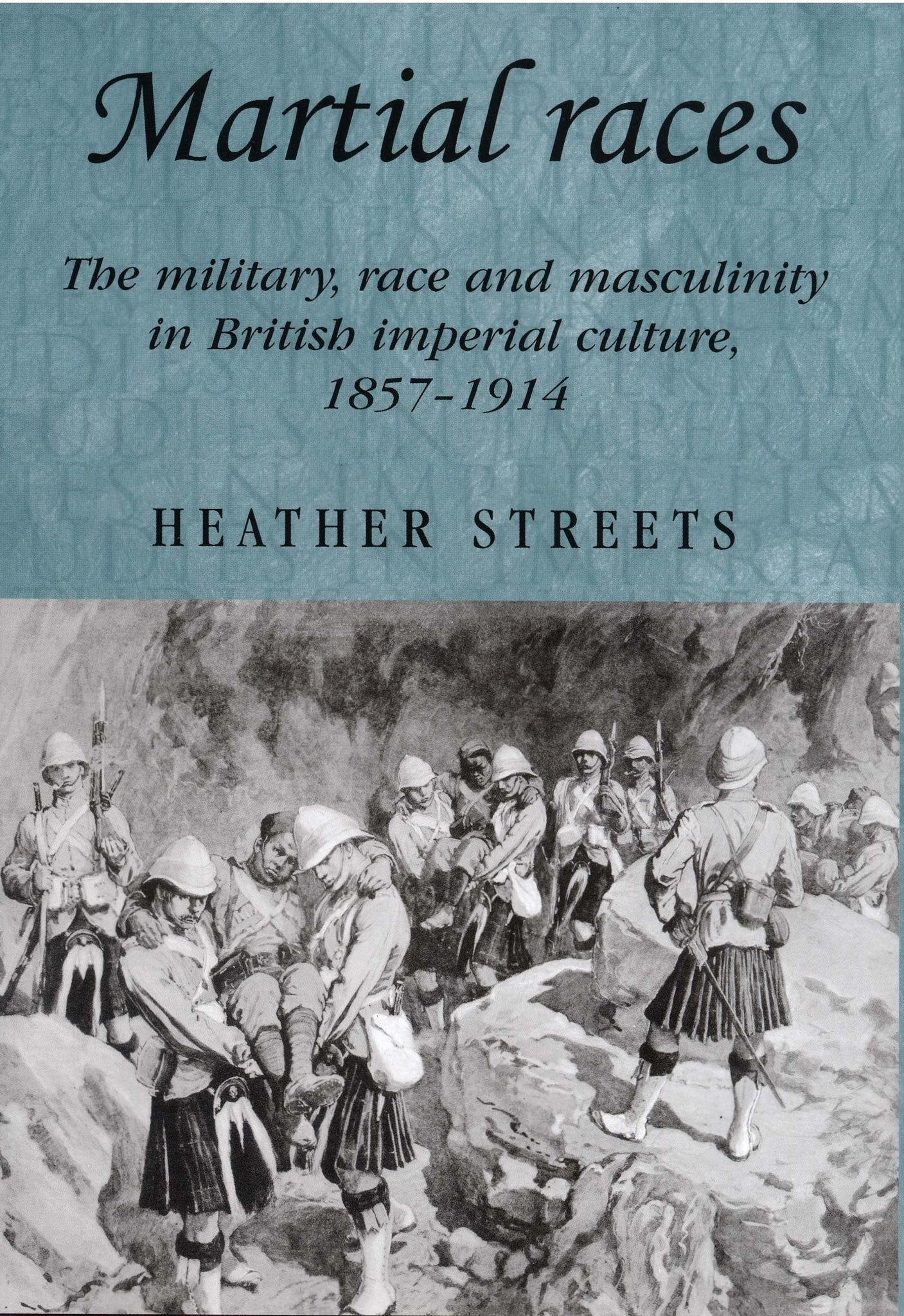
This book explores how and why Scottish Highlanders, Punjabi Sikhs, and Nepalese Gurkhas became identified as the British Empire’s fiercest, most manly soldiers in nineteenth century discourse. As ‘martial races’ these men were believed to possess a biological or cultural disposition to the racial and masculine qualities necessary for the arts of war. Because of this, they were used as icons to promote recruitment in British and Indian armies - a phenomenon with important social and political effects in India, in Britain, and in the armies of the Empire.
Martial races bridges regional studies of South Asia and Britain while straddling the fields of racial theory, masculinity, imperialism, identity politics, and military studies. It challenges the marginalisation of the British Army in histories of Victorian popular culture, and demonstrates the army’s enduring impact on the regional cultures of the Highlands, the Punjab and Nepal.
This unique study will make fascinating reading for higher level students and experts in imperial history, military history and gender history.


Introduction
1. The transformation of the British and Indian Armies in the Rebellion of 1857
2. ‘Side by side in generous rivalry’: Highlanders, Sikhs and Gurkhas in the Rebellion
3. A ‘question on which the safety of the Empire depends’: the European threat, recruiting, and the development of martial race ideology after 1870
4. ‘A power which a man should try to manage for himself’: military influence and martial race discourse in British popular culture
5. Martial races: the Inter-imperial uses of a racially gendered language
6. Representation versus experience: life as a martial race soldier
Conclusion
Bibliography
Index