





Some error occured while loading the Quick View. Please close the Quick View and try reloading the page.
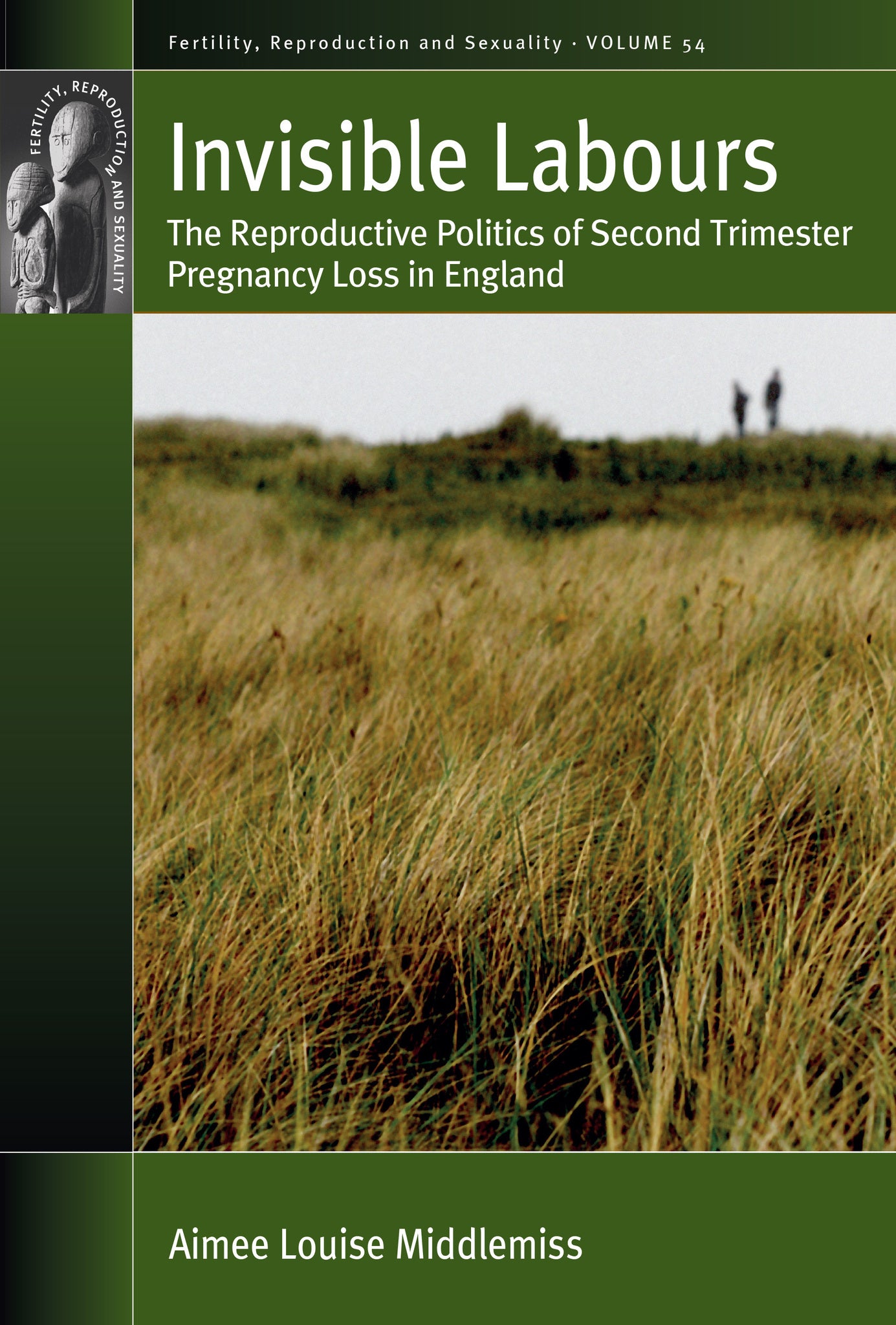
Tracing women’s experiences of miscarriage and termination for foetal anomaly in the second trimester, before legal viability, shows how such events are positioned as less ‘real’ or significant when the foetal being does not, or will not, survive. Invisible Labours describes the reproductive politics of this category of pregnancy loss in England. It shows how second trimester pregnancy loss produces specific medical and social experiences, revealing an underlying teleological ontology of pregnancy. Some women then use an alternative understanding of pregnancy based on kinship with the second trimester foetal being or baby to resist the erasure of their experience.


“In this original and conceptually sophisticated project Middlemiss handles incredibly difficult interview material with extraordinary sensitivity and care. She does not shy away from difficult details but makes these often very raw stories more understandable through serious analytic work.” • Linda L. Layne, University of Cambridge
“This is an excellent book … As someone working in the field of reproduction/family studies (though not specifically on pregnancy loss), this book has expanded my thinking regarding how legal, medical, kinship systems and cultures come together in defining our understandings of life/death, personhood and relatedness.” • Leah Gilman, University of Manchester
“This is an excellent, well-written, well researched manuscript on an important and timely issue. The book successfully introduces nuance, contestation, and diversity into constructions of personhood in the English context by detailed exploration of second trimester pregnancy loss.” • Susie Kilshaw, University College London
Aimee Louise Middlemiss is an ESRC Postdoctoral Fellow at the Wellcome Centre for Cultures and Environments of Health, University of Exeter, UK. Her research interests include reproduction, death, personhood, kinship, embodiment, and gender.
Preface
Acknowledgements
Introduction: Invisible Labours
Part I: the Consequences of Second Trimester Pregnancy Loss
Chapter 1. ‘You Don’t Have a Choice, You Have to Do It’: Diagnosis of the Foetal Body and the Determination of Healthcare Trajectories for Pregnant Women
Chapter 2. ‘They’re Not Supposed to Deal with this Kind of Thing’: Ontological Boundary Work, Discipline, and Obstetric Violence
Chapter 3. What Counts as a Baby and Who Counts as a Mother? Civil Registration and Ontological Politics
Chapter 4. Pregnancy Remains, a Baby, or the Corpse of a Child? Governance Classifications of the Dead Foetal Body
Part II: Disruption and Resistance in Second Trimester Pregnancy Loss
Chapter 5. ‘It Wasn’t All a Figment of My Imagination’: Ontological Disruption and Embodiment
Chapter 6. ‘I Wanted People to Know That They Were My Babies’: Kinship as an Ontology of Resistance
Conclusion: Making Visible the Labours of Second Trimester Pregnancy Loss
References
Index