





Some error occured while loading the Quick View. Please close the Quick View and try reloading the page.
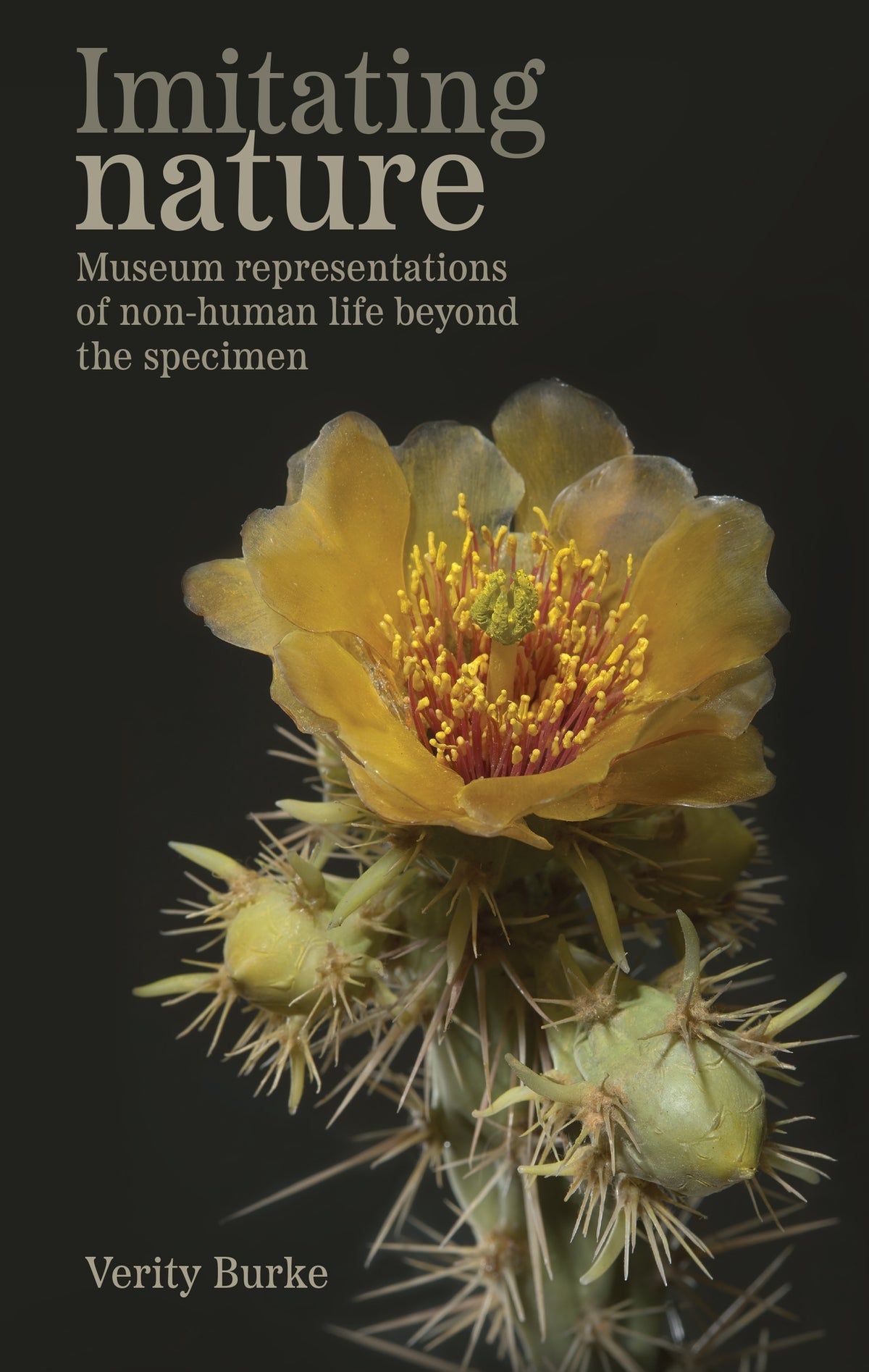
Imitating Nature investigates natural history displays which do not incorporate the remains of the lifeform depicted, analysing objects such as animal death masks, re-creation taxidermy, glass models and virtual tours. Drawing on literary analysis, museum studies and the environmental humanities, it analyses displays at the Museum für Naturkunde, Harvard Natural History Museum, the Creation Museum, Naturalis Biodiversity Center and other institutions. The book interrogates the relationship between exhibition media and narrative to reveal how non-specimen representations mediate extinction, speculate on past ecologies and construct alternative forms of museum nature. It provides a critical account of how these objects shape knowledge-making within twenty-first-century museum practice, and extends analysis of ‘museum nature’ beyond taxidermy and the organic specimen to deepen our understanding of non-human representations in contemporary culture.

Price: £85.00
Pages: 264
Publisher: Manchester University Press
Imprint: Manchester University Press
Publication Date:
05 January 2027
ISBN: 9781526174888
Format: Hardcover
BISACs:

Verity Burke is a researcher of natural history museums and collections culture, working at the intersections of the environmental humanities and the museum sector
Introduction: (Natural his)tories beyond the specimen
1 Exhibitions of models and ‘canon stories’ of non-human life on display
2 Non-human death masks and the post-mortem display of celebrity animals
3 Re-creation taxidermy and the ‘authentic’ animal specimen
4 Displays of extinct life and the speculative past
5 Environments on display: Digital media and the habitat diorama
Conclusion: Reading ‘museum nature' without animal remains