





Some error occured while loading the Quick View. Please close the Quick View and try reloading the page.
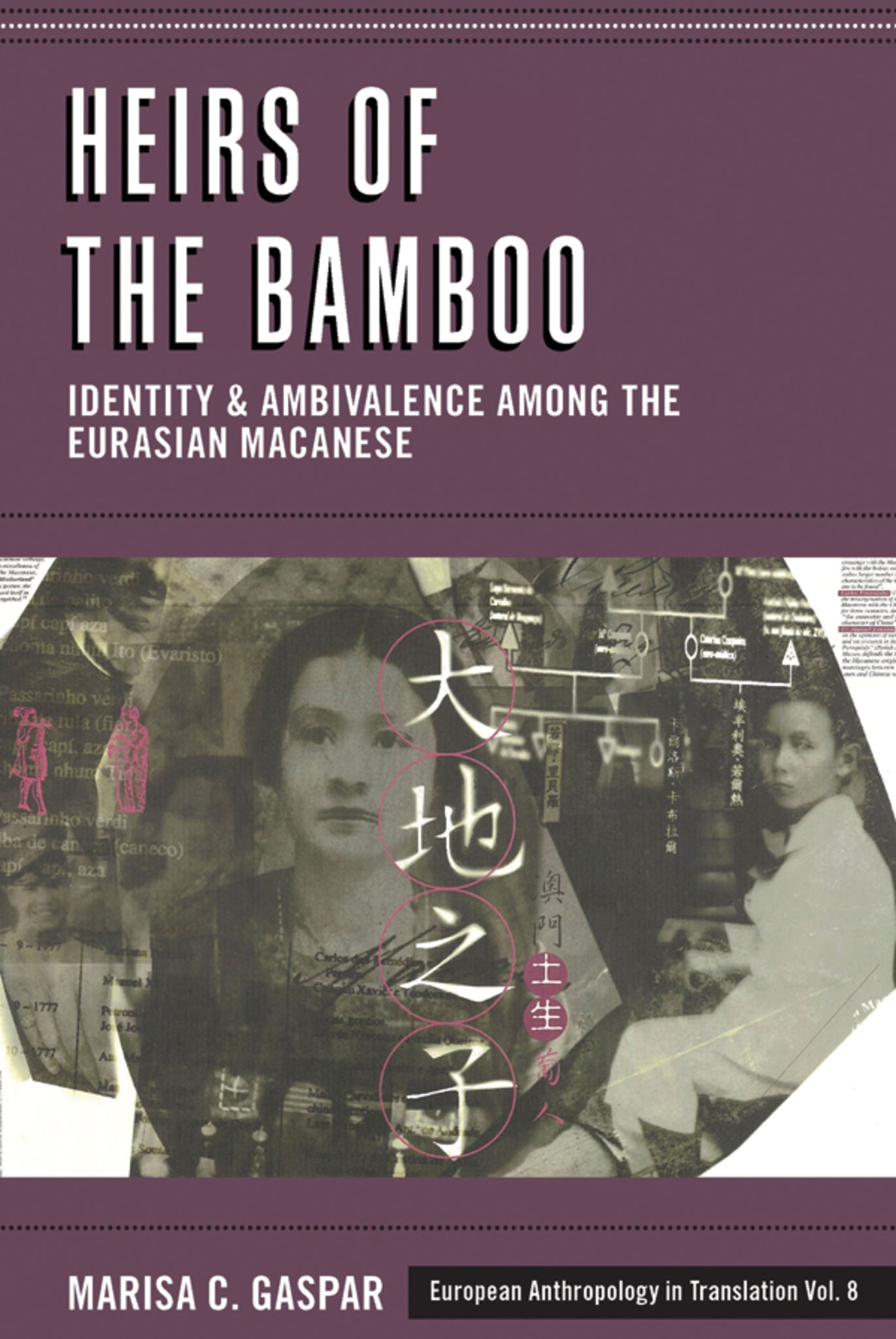
In 1999 Macao, previously a territory under Portuguese rule, was handed over to the People’s Republic of China and transformed into one of the gambling capitals of the world. These political and economic phenomena were accompanied by unprecedented social changes that, ultimately, have redefined the Macanese identity. This book is about the Macanese living in Portugal and their intimate social networks in loco and interactions with their counterparts in Macao and elsewhere in the diaspora, by the use of Internet. Memory and ambivalence, deeply associated with kinship, language, food and heritage, are the cornerstones of this research, which overturns colonial stereotypes and concepts of Macanese cultural purity.


“Focusing on the manipulation of language and food, Marisa Gaspar’s monograph constitutes obligatory reading for anyone who is puzzled by the way in which the past challenges the future and vice versa”. • João Pina-Cabral, University of Kent
“A valuable contribution for the ethnographic study of the Macanese… The book highlights how, in the current post-transition period, the prevailing Portuguese presence and its cultural influence shapes the unique identity of Macao”. • Daniel Seabra Lopes, Universidade de Lisboa
“[The author] is able to put into practice her training in anthropology, without ever leaving aside an interdisciplinary approach that gives to her works a contemporary historical-political dimension”. • José Luís de Sales Marques, Institute of European Studies of Macau
List of Illustrations
Foreword
Allen Chun
Acknowledgements
List of Abbreviations
Chapter 1. The Eurasians of Macao: Celebrating the Macanese "Difference"
Chapter 2. Macanese Mnemonics: Genealogies and Palaces of Virtual Memory
Chapter 3. Eating the Past: Expressions of Nostalgia at PCB Events
Chapter 4. Our Cultural Heritage: Macanese Cuisine and the Patuá Theatre
Chapter 5. (De)Constructing the Macanese Self-Identity: A Strategic Ambivalence
Conclusion: Macao [Still] My Land?
References
Index