





Some error occured while loading the Quick View. Please close the Quick View and try reloading the page.
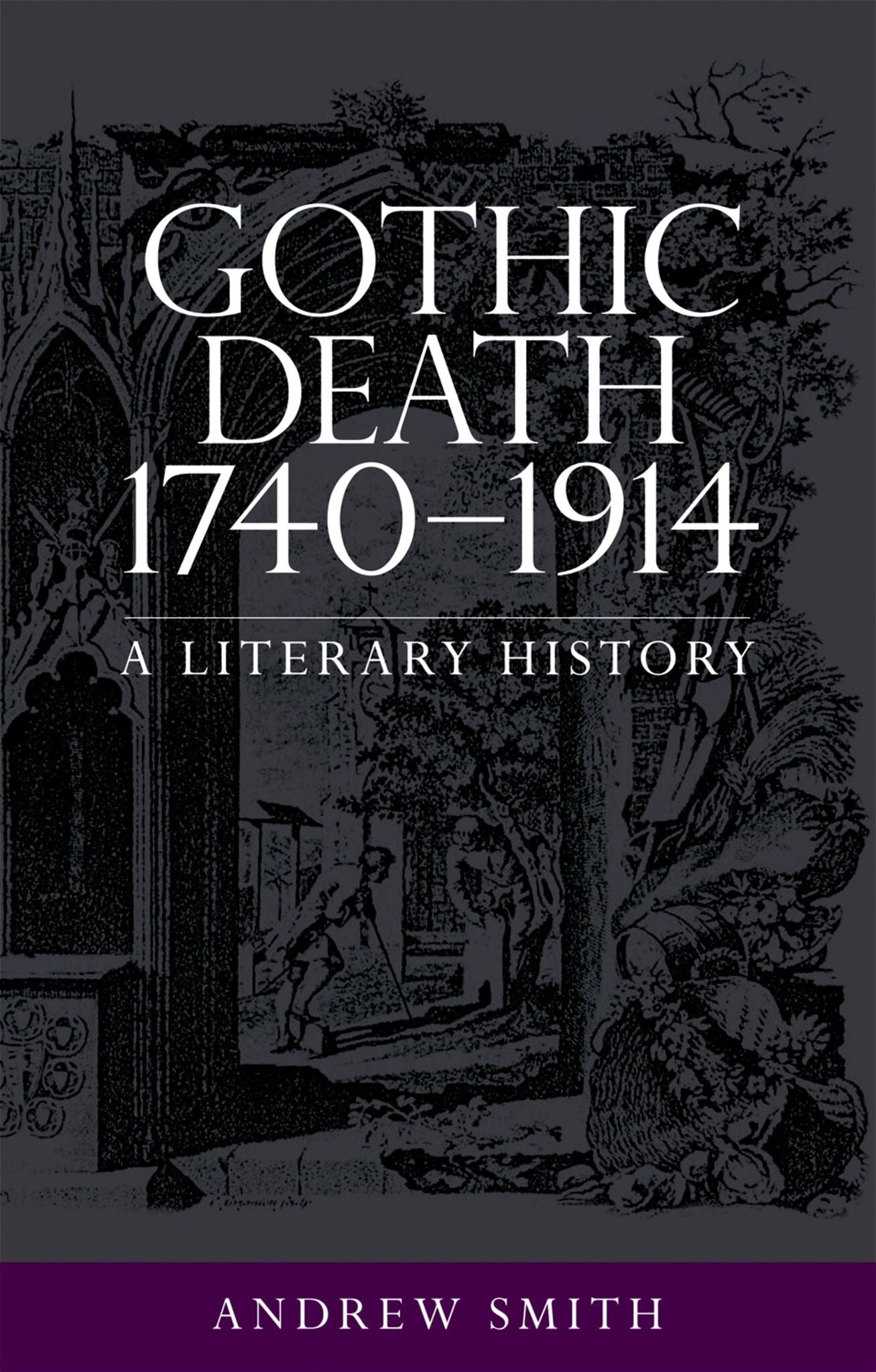
Gothic death 1740-1914 explores the representations of death and dying in Gothic narratives published between the mid-eighteenth century and the beginning of the First World War. It investigates how eighteenth century Graveyard Poetry and the tradition of the elegy produced a version of death that underpinned ideas about empathy and models of textual composition. Later accounts of melancholy, as in the work of Ann Radcliffe and Mary Shelley, emphasise the literary construction of death. The shift from writing death to interpreting the signs of death is explored in relation to the work of Poe, Emily Brontë and George Eliot. A chapter on Dickens examines the significance of graves and capital punishment during the period. A chapter on Haggard, Stoker and Wilde explores conjunctions between love and death and a final chapter on Machen and Stoker explores how scientific ideas of the period help to contextualise a specifically fin de siècle model of death.

Price: £25.00
Pages: 224
Publisher: Manchester University Press
Imprint: Manchester University Press
Publication Date:
25 June 2018
ISBN: 9781526131911
Format: Paperback
BISACs:

Andrew Smith is Reader in Nineteenth-Century Literature at the University of Sheffield
Introduction
1. Touched by the dead: eighteenth-century Gothic poetics
2. Mourning, memory and melancholy: constructing death in the 1790s-1820s
3. From writing to reading: Poe, Brontë and Eliot
4. Gothic death and Dickens: executions, graves and dreams
5. Loving the undead: Haggard, Stoker and Wilde
6. Decoding the dying: Machen and Stoker
Conclusion
Index