





Some error occured while loading the Quick View. Please close the Quick View and try reloading the page.
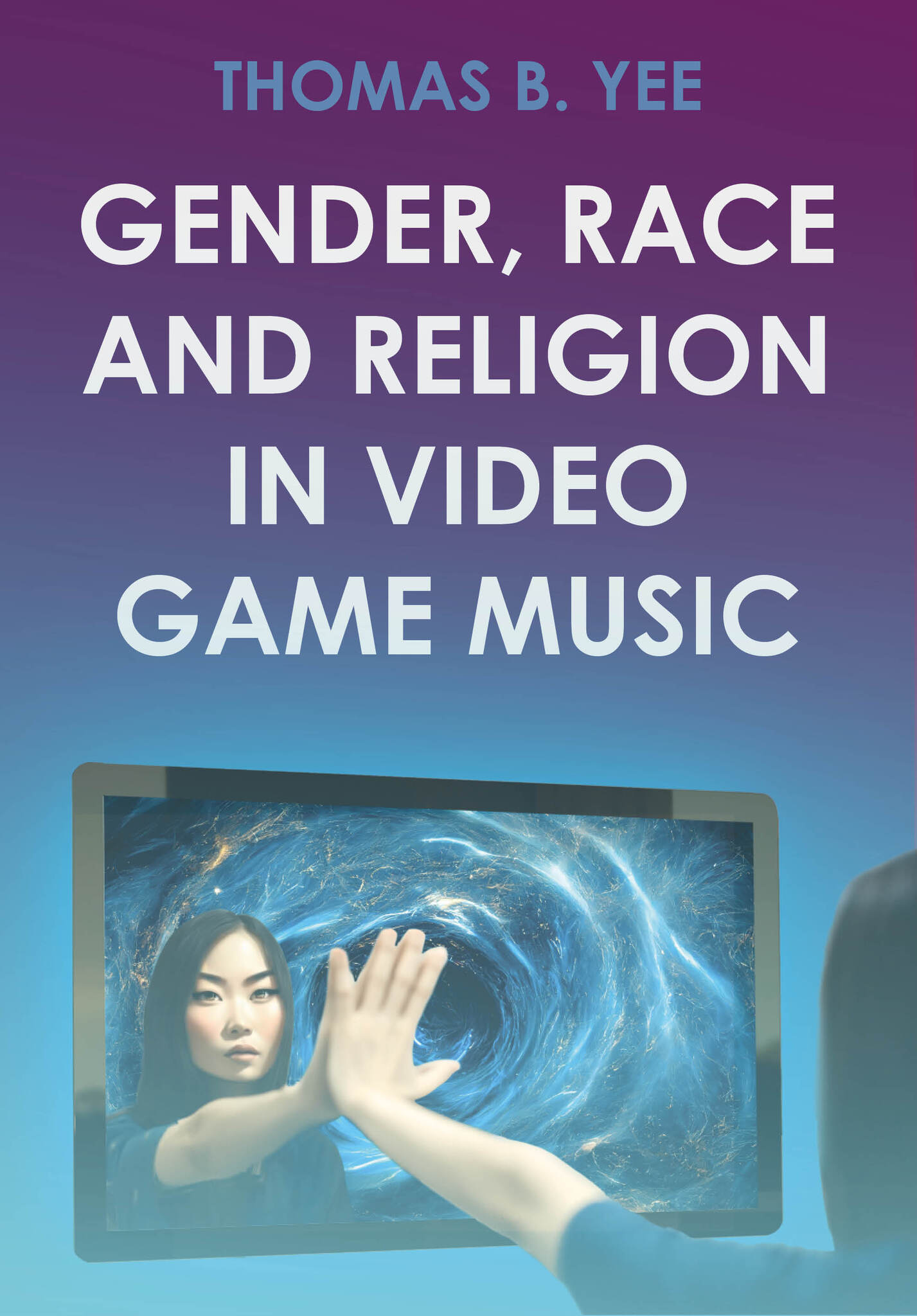
This book provides semiotically-focused analyses and interpretations of video game music, focusing specifically on musical representation of three demographic diversity traits. Adopting a narratologist orientation to supplement existing ludological scholarship, these analyses apply music semiotics to crucial modern-day issues such as representation of gender, race, and religion in video games.
An original and welcome contribution to the field, it considers musical meaning in relation to the aspects of gender, race, and religion. This book will help readers to develop language and context in which to consider video game music in terms of society and representation and will encourage future research in these critical areas.
Yee analyses music's contributions to video games' narrative and thematic meanings, specifically concerning three master categories of identity – gender, race and religion. Containing twenty-five detailed analytical case studies of musical representation in video game music, it sets out theoretical and conceptual frameworks beneficial for interpreting musical meaning from video game soundtracks. Though players and commentators may be tempted to view a game's soundtrack as mere 'background music', this research demonstrates video game music's social relevance as a major factor impacting players' cultural attitudes, values, and beliefs.
Part I explores immersion, interactivity and interpretation in video game music, proposing a theory of 'interpretative interactivity' to account for players' semiotic agency in dialogue with their ludic agency. Part II explores gender representation in a trajectory from conventional gender construction, alternative femininities/masculinities and potential for non-binary representational possibilities. Part III explores musical representation of nationality, culture and race, proposing the concept of 'racialised fantasy' and applying frameworks from race scholarship to connect media representations of race to real world racial justice movements. Part IV examines religion, introducing the concept of 'sonic iconography' to connect theological
meanings to the use of sacred music in video game music.


'Yee has written a book that is remarkable in its clarity of methodology, source work, subject position, choice of case studies (focusing primarily on Japanese and US titles), analysis, and descriptive language, and clear-eyed in its presentation of how representations of social identity and culture have transformed over time in video games alongside evolving public mindsets...
Overall, Gender, Race, and Religion in Video Game Music is poised to be essential reading in the field of video game music, building on the work of predecessors and colleagues like Karen Collins, Isabella van Elferen, Tim Summers, William Cheng, and Grasso. The book is primarily written for musicians; as Yee is a music theorist, music analysis and transcription are key to his interpretations. But the book holds promise in the classroom. In each chapter, Yee focuses on one or a few case studies, using games that students can access; this makes individual lessons built on individual chapters possible... Each section of the book can be used on its own to dig into its core topic (theories of narrative and play, gender, race, or religion) and to promote further classroom discussion on additional game soundtracks. For musicians, Yee’s case studies are excellent examples of how to blend social, political, and cultural analysis with music analysis in order to make the case for the importance of media, and especially video game music, in our time.'
— Jessica Getman, Notes: the Quarterly Journal of the Music Library Association
Some composers found their love of music at the symphony hearing Brahms or Beethoven – Thomas B. Yee discovered his from the beeps and boops of the family Super Nintendo. Blending the roles of composer and music theorist, Thomas' research explores music semiotics and representation of identity in video game music.
List of Figures and Tables
Introduction: Enter the Virtual
PART I: NARRATIVE AND PLAY
1. Ludo-Narrative Harmony: Interpretative Interactivity in Chrono Cross and Gris
PART II: GENDER
2. Feminine Themings: The Construction of Musical Gendering in the Final Fantasy Franchise
3. Single Ladies and Herbivore Men: Alternative Femininities and Masculinities in Final Fantasy XIII and XV
4. Damsel No Longer: The Empowered Mezzo-Soprano Voice in Horizon Zero Dawn
PART III: RACE
5. Racialized Fantasy: Authenticity, Appropriation and Stereotype
6. Antiracist Storytelling: Representation and Diversity in Civilization VI and Overwatch
PART IV: RELIGION
7. Sonic Iconography: The Sacred Music Topic in Lightning Returns: Final Fantasy XIII
8. Battle Hymn of the God-Slayers: Troping Rock and Sacred Music in Xenoblade Chronicles
Conclusion: Enter the Real
Appendix: Audiovisual Media
References
About the Author
Index