





Some error occured while loading the Quick View. Please close the Quick View and try reloading the page.
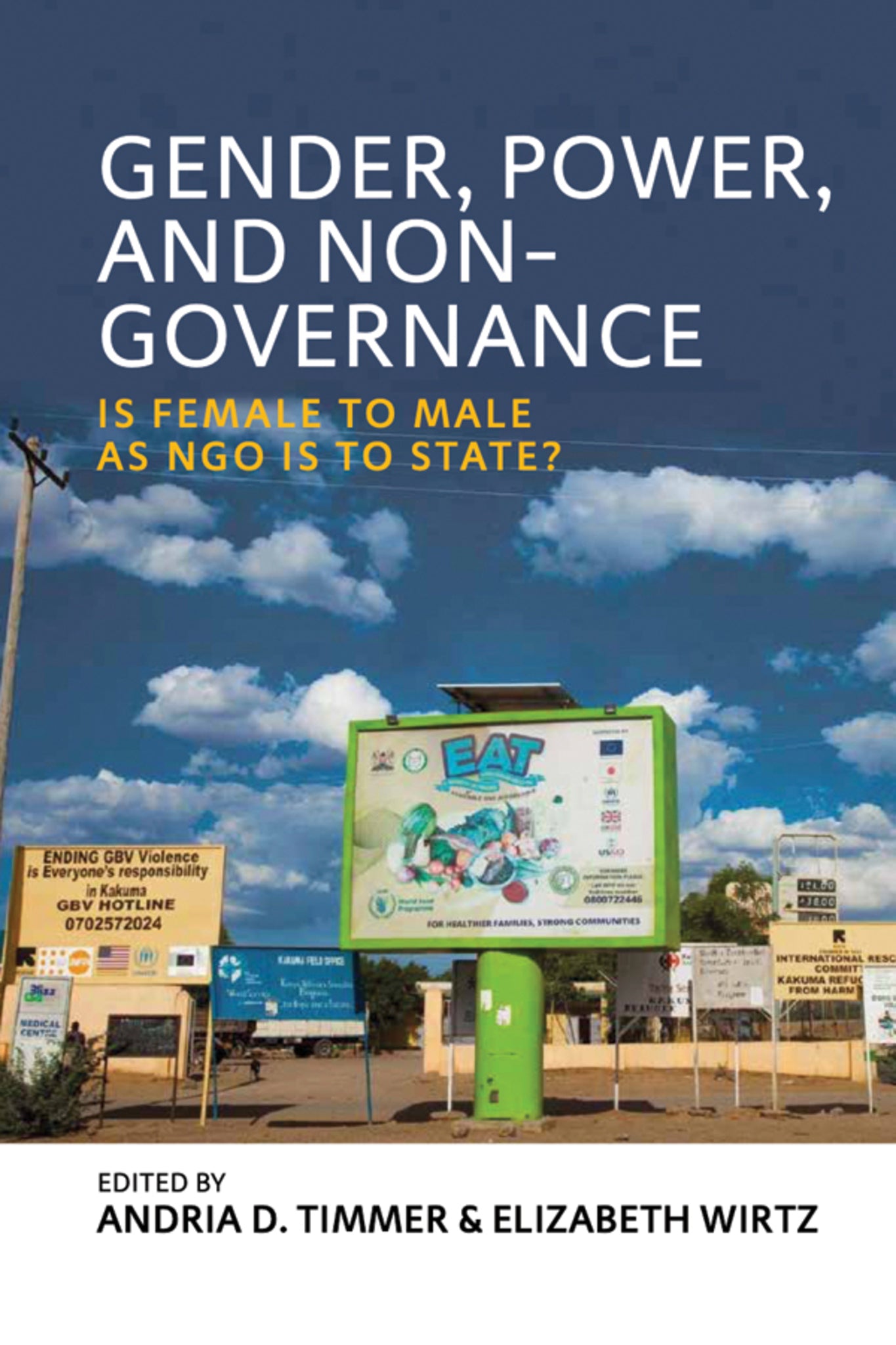
Using Sherry Ortner’s analogy of Female/Nature, Male/Culture, this volume interrogates the gendered aspects of governance by exploring the NGO/State relationship. By examining how NGOs/States perform gendered roles and actions and the gendered divisions of labor involved in different types of institutional engagement, this volume attends to the ways in which gender and governance constitute flexible, relational, and contingent systems of power. The chapters in this volume present diverse analyses of the ways in which projects of governance both reproduce and challenge binaries.


“Overall, in my view this is an original and thoughtful contribution to the growing literature on the anthropology of NGOs, containing lots of new and original work - much of it by young scholars in the field.” • David Lewis, London School of Economics
“Focusing on the gendered nature of NGO-state relationships it offers a wide spectrum of case studies covering all regions of the world. Diversity is an important asset of the volume: diversity of countries-from different regions, of different sizes, from different type of states (weak or strong), but also diversity of types of NGOs analyzed, diversity of topics proposed.” • Laura Grünberg, University of Bucharest
List of Illustrations
Introduction: Is Female to Male as NGO Is to State?
Andria D. Timmer, Christopher Loy, and Elizabeth Wirtz
Part I: Patterns of Reproduction: NGO and State Relations Through a Gendered Lens
Chapter 1. NGOs and States of Aging: NGO as Male/Culture Advocates and as Female/Nature Caregivers
Alexandra Crampton
Chapter 2. Surviving the State: Strategic Essentialism and the Complexities of Indigeneity Among the Ainu of Northern Japan
Christopher Loy
Chapter 3. From “Warm and Fuzzy” to “Business Oriented” Practices:” The Politics of Exclusion and Masculinization of Alternative Justice in the United States
Amanda J. Reinke
Part II: Care Work as Feminized Work
Chapter 4. From Stranger to Neighbor: Women’s Voluntarism as Feminist Caring Politics Against Australia's Hostile Borders
Tess Altman
Chapter 5. Rural Women’s Self-determination and Grassroots Resistance Movement: Reclaiming Land and Traditional Livelihoods in Odisha
Smita Mishra Panda and Annapurna Devi Pandey
Chapter 6. Neglectful Fathers and Mothers who Mean Well: Love and Hate of Hungarian Roma “Children”
Andria D. Timmer
Chapter 7. En/gendering Aixin: Philanthropy and Gendered Practice of Compassion in Post-socialist China
Yang Zhan
Part III: Beyond the Binary: Intersectionality and Queer Spaces in NGOs
Chapter 8. “Little Dear Mothers:” Governing the “Republic of NGOs”
Mark Schuller
Chapter 9. Identity and the Construction of Trans Citizenship in Guatemala
Alejandra Wundram Pimentel
Chapter 10. To Foresee the Unforeseeable: LGBT and Feminist Civil Society and the Question of Feminine Desire
Tamar Shirinian
Conclusion: Queering the NGO/State Binary: On Governing Stateless Peoples
Elizabeth Wirtz
Index