





Some error occured while loading the Quick View. Please close the Quick View and try reloading the page.
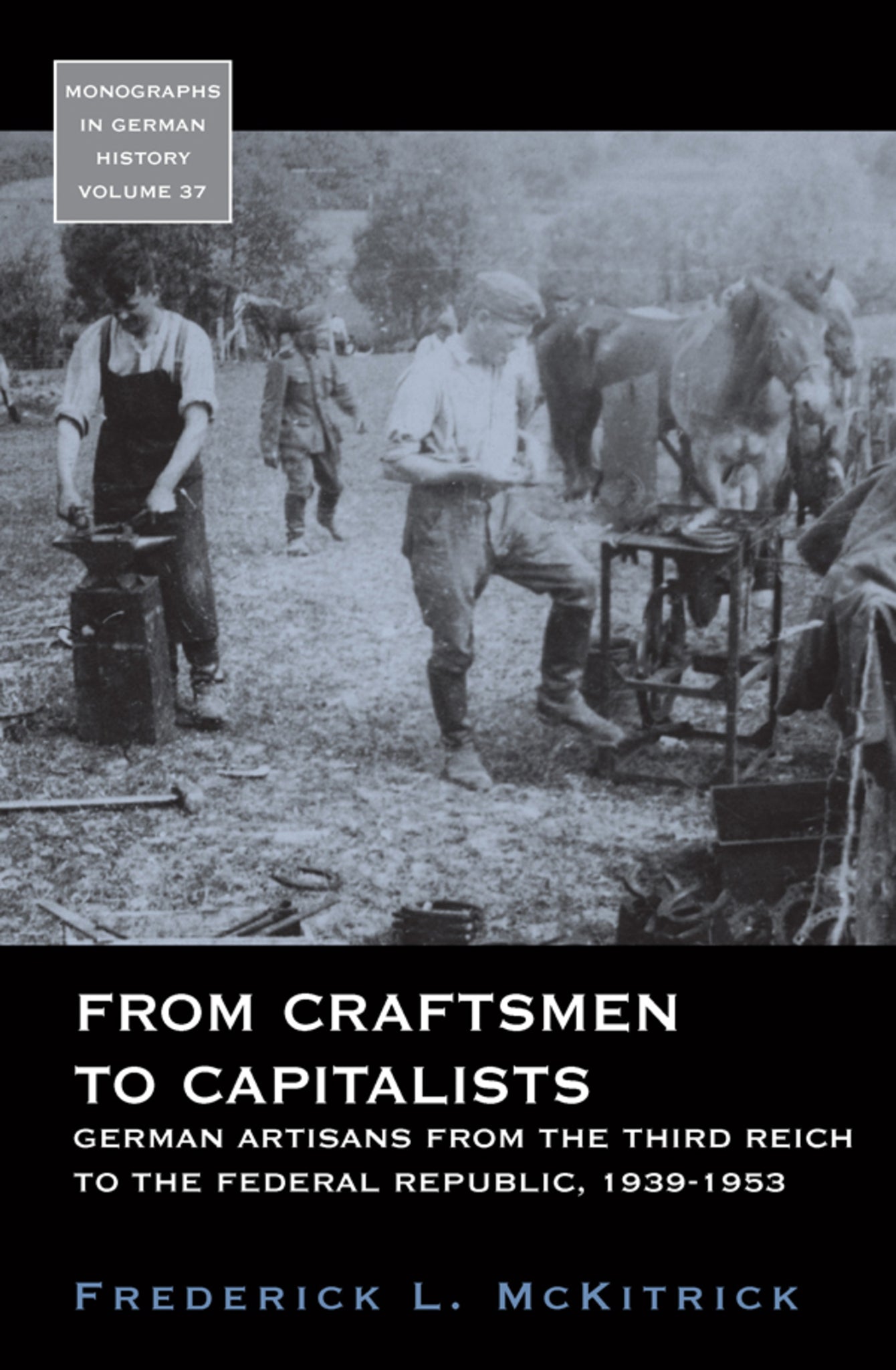
Politically adrift, alienated from Weimar society, and fearful of competition from industrial elites and the working class alike, the independent artisans of interwar Germany were a particularly receptive audience for National Socialist ideology. As Hitler consolidated power, they emerged as an important Nazi constituency, drawn by the party’s rejection of both capitalism and Bolshevism. Yet, in the years after 1945, the artisan class became one of the pillars of postwar stability, thoroughly integrated into German society. From Craftsmen to Capitalists gives the first account of this astonishing transformation, exploring how skilled tradesmen recast their historical traditions and forged alliances with former antagonists to help realize German democratization and recovery.


“…a well-researched, carefully argued, and convincing study of the modernization of German Handwerk during the Nazi and early postwar periods. It will be of interest to scholars examining the emergence of the German variety of capitalism, the modernizing or conservative intentions and effects of Nazism, or the bases of West German stability after 1945…It is a strength of this excellent study that while McKitrick focuses on the modernization of Handwerk, he also regularly acknowledges the variety of craft occupations and the persistent, sometimes not insubstantial resistance to Handwerk’s modernization.” • Journal of Modern History
“…thought-provoking and important… this is an exceptionally engaging, well-researched and important book that links the pre-1945 to the post-war period effectively and convincingly.” • German History
“Among historians, German Handwerker have typically been treated only in terms of their presumed Nazi sentiments or persistent economic backwardness. This extensively researched, well-written volume shows that these artisans were neither exclusively reactionary in their politics nor cynically sacrificed by the Nazis at the altar of the war economy.” • Jay Lockenour, Temple University
“This is an impressive study that bears directly upon important scholarly debates. McKitrick’s sympathy for the plight of tradespeople in a rapidly changing society is palpable, and he rightly handles their history with a due consideration of its complexity, rather than treating them as reactionary caricatures.” • Perry Biddiscombe, University of Victoria
List of Tables and Figures
Acknowledgements
Preface
Note on the Handwerk Trades
PART I: HANDWERK IN CRISIS, 1918-1933
Chapter 1. From Zünfte to Nazism: German Handwerk to 1939
PART II: HANDWERK AT WAR: 1939-1945
Chapter 2. Handwerk in the War Economy, 1939-1941
Chapter 3. The Speer Ministry: The Coordination of Industry and Handwerk, 1942-1945
PART III: THE OCCUPATION PERIOD, 1945-1949: THE CONFRONTATION WITH THE AMERICAN FREE MARKET
Chapter 4. The Occupation
Chapter 5. The Legal Consolidation of Handwerk Corporatism in the British Zone
Chapter 6. Developments in the U.S. Zone Leading Up to the Introduction of Gewerbefreiheit
Chapter 7. The Role of Organization and Leadership in the Modernization of Handwerk
PART IV: THE EARLY FEDERAL REPUBLIC, 1949-1953
Chapter 8. The Effects of Gewerbefreiheit on Handwerk
Chapter 9. The Integration of Handwerk Organizations into the Political Fabric of the Federal Republic
Chapter 10. Changes in Structure and Outlook in Handwerk
Conclusion: Revolution in Handwerk?
List of Abbreviations
Sources and Bibliography